Wall Street: US-Börsen starten uneinheitlich – neue Spannungen im Nahen Osten belasten
Die G7 wollten am Samstag ein klares Signal an den Ölmarkt senden: Es droht keine Knappheit. Anleger beruhigt das zunächst nicht. Zudem rückt der US-Dienstleistungssektor in den Fokus.
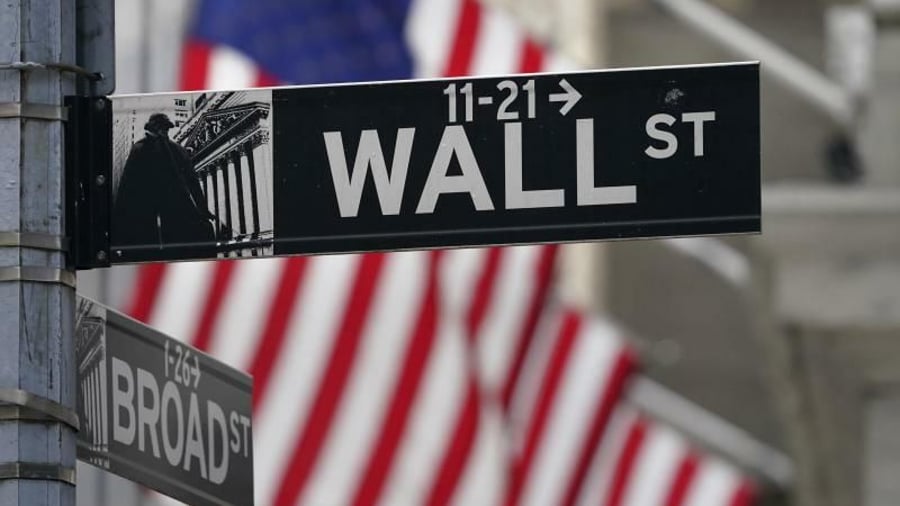
On the weekend, major US stock indices began the new trading week with varying performance. The Dow Jones Industrial Average, representing large-cap stocks, dropped 0.5% to 50,922 points. The broader S&P 500 index remained flat at 7,734. The Nasdaq Composite, a technology-focused index, gained 0.7% to 27,372 points. The Nasdaq 100 index, tracking 100 non-financial companies with the highest market capitalizations, increased 0.4% to 30,025 points.
Investors are closely watching oil prices on Monday, as Germany and other G7 nations have agreed to release 100 million barrels of strategic oil reserves worldwide. The International Energy Agency (IEA) will coordinate the release of the oil over the next four months. This release, equivalent to roughly a day's global oil demand, aims to prevent potential supply shortages.
However, oil market participants show little interest in the G7's announcement, with US WTI light crude oil for November delivery falling 0.6% to $102 per barrel. Yet, Brent oil, crucial to Europe, sees a 0.6% increase to $102 per barrel. Tensions persist in the Bab al-Mandab Strait, with Jochen Stanzl, Consorsbank's chief market analyst, emphasizing that the price surge is due to record insurance costs, disruption in international shipping, and refinery bottlenecks rather than a lack of oil.
Written by urgent.news from Handelsblatt's reporting — not their text. Machine-written — may contain errors; check the original before relying on it.