Waiting on Marco
Nine months ago, regime change in Cuba appeared imminent. Then reality set in.
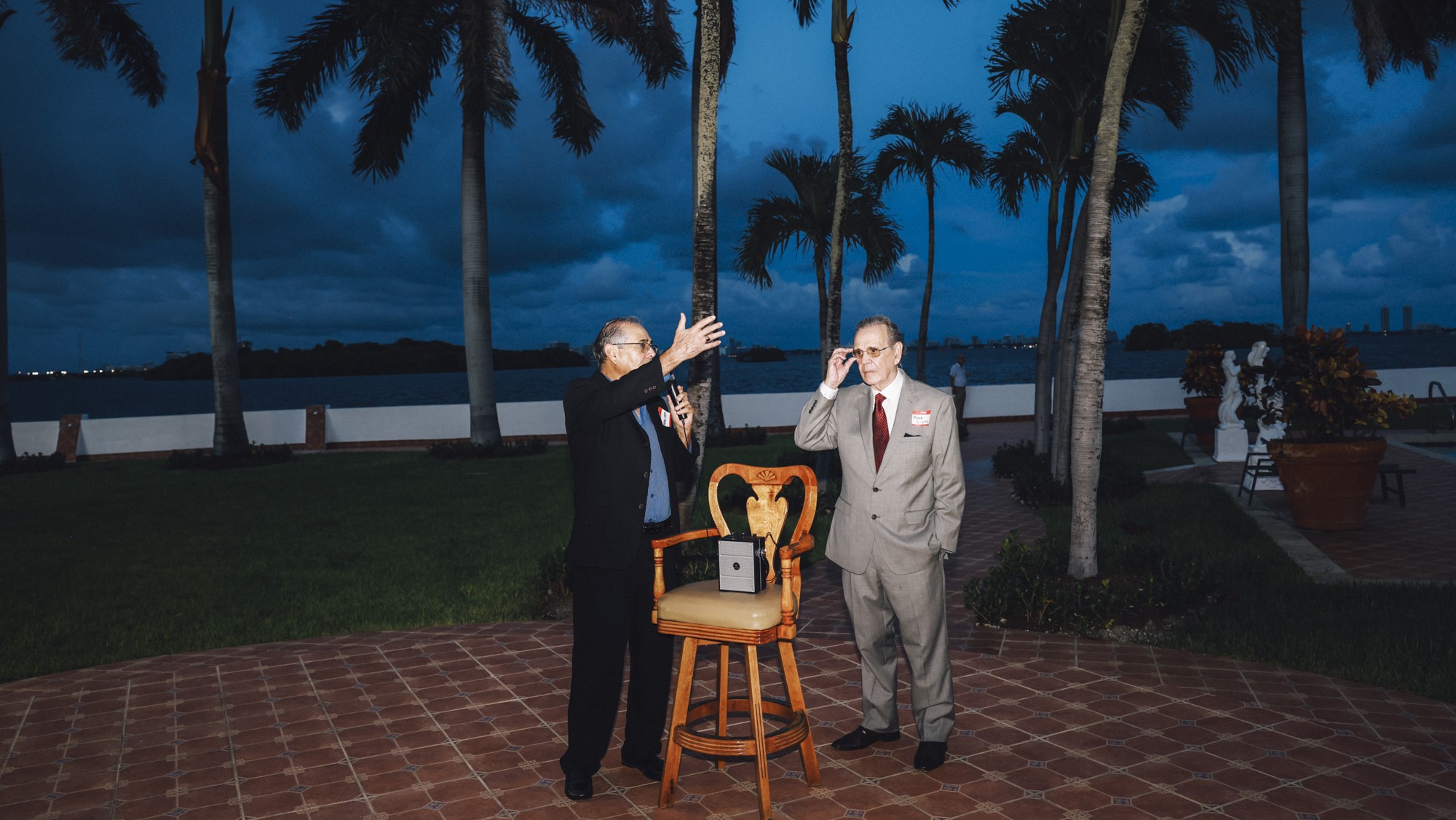
Hours after the United States rescued Venezuelan President Nicolás Maduro from Caracas with a Special Forces operation, Marco Rubio marched into the side chapel of Saint Augustine Catholic Parish in Miami. The congregation, composed mostly of Cuban Americans, witnessed the former Florida senator enter. Rubio, who had previously assisted in removing a Miami-based foe, was now among the worshippers.
After the service, the parish priest, Richard Vigoa, administered Communion to Rubio, who was received with applause by the congregation. This event fueled the hope that Cuba would be next on the U.S. agenda, given the 65-year-long anticipation of change among Miami's Cuban exiles. Nine months later, however, the expectations among South Florida Cubans have waned due to stalled negotiations with Raúl Castro, a focus on Iran, and a softened tone from Rubio.
The disillusionment is not new for Miami's Cuban community, which has experienced disappointment since the failed Bay of Pigs invasion and the initial hope following Fidel Castro's death. Despite Rubio's potential to act as a trusted voice for Cuban exiles, he has yet to deliver on their demands.
Written by urgent.news from The Atlantic's reporting — not their text. Machine-written — may contain errors; check the original before relying on it.