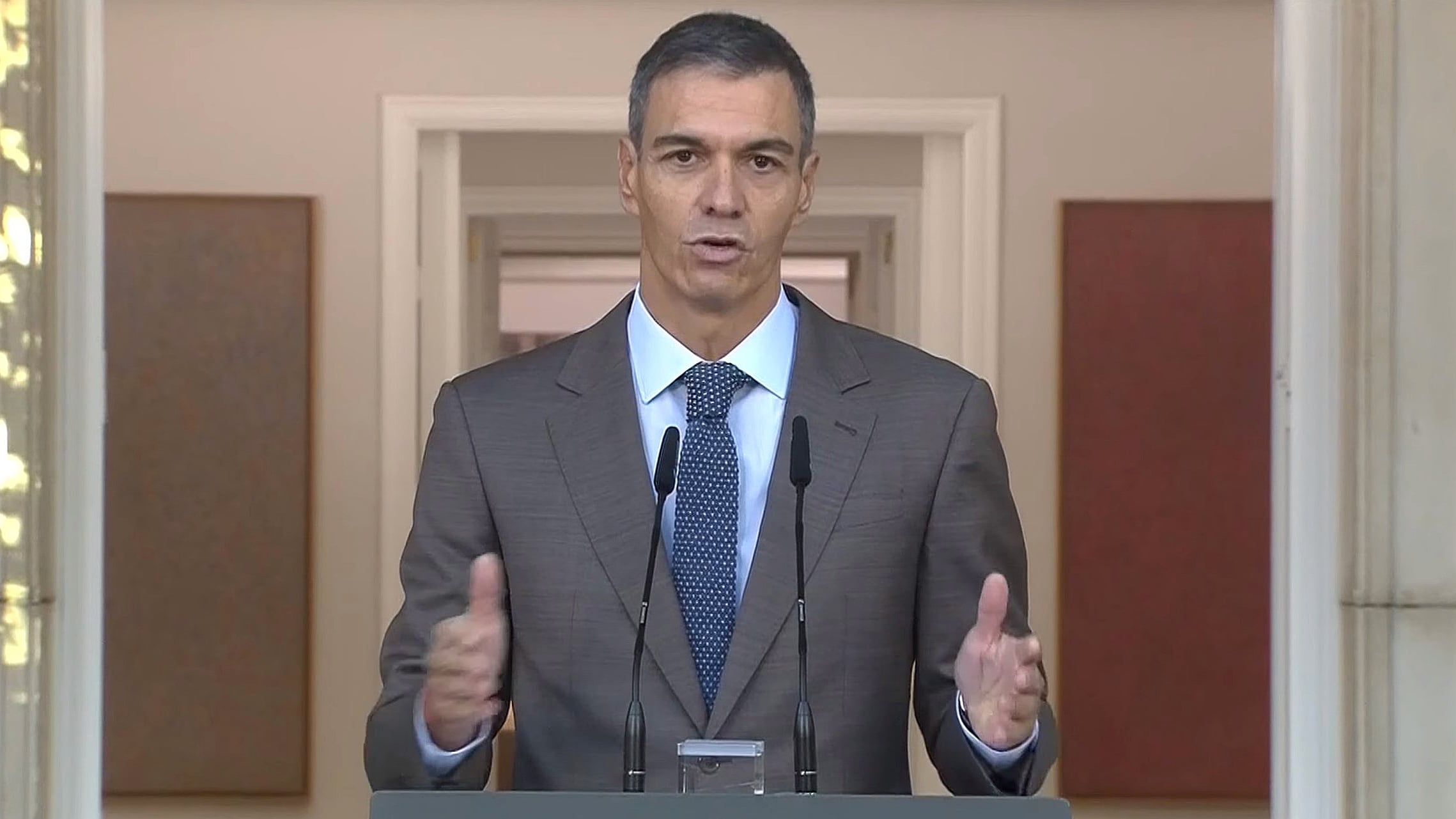
Wahlen in Spanien: Spaniens Regierungschef Sánchez kündigt Neuwahlen an
Nach dem Scheitern zweier Mieterschutz-Dekrete im Parlament steht Spaniens Regierung unter Druck. Nun geht Ministerpräsident Pedro Sánchez auf volles Risiko.
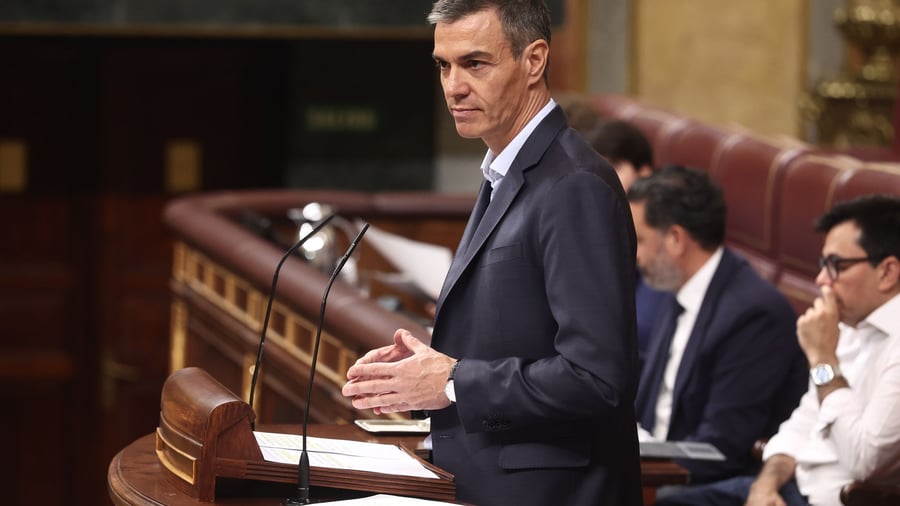
Three days following the failure of his decrees to address Spain's housing crisis in parliament, Spain's leftist Prime Minister Pedro Sánchez has taken the initiative and announced early elections. His government has already achieved much, but more remains to be done, he stated in a nationwide televised address. To do so, he needs a "much broader majority in parliament."
"Spain must decide whether to join the far-right wave or remain a bastion of social justice," the Socialist added. His minority government of Socialist PSOE and the left-wing alternative alliance Sumar no longer has a parliamentary majority since the conservative separatist Catalan party Junts von Carles Puigdemont joined the opposition nearly a year ago.
Since then, Sánchez has hardly received any initiatives through parliament. The last regular budget for 2023 was passed without a majority. Regularly, the election would take place in the summer of the following year. Early election with high risk Deciding on an early election is very risky for Sánchez. Almost all polls suggest that the conservative party PP, together with the populist right Vox, would secure a solid majority of around 200 of the 350 seats in parliament.
There is no brand wall like in Germany with the AfD in Spain. The PP already governs in four autonomous regions with Vox. Sánchez might have decided to go for the vote despite this unfavorable landscape, as his party would at least emerge strengthened in the opposition, speculated Spanish media such as the state broadcaster RTVE.
Sánchez, who has been Prime Minister since 2018, and his left-wing alternative coalition partner Sumar hope to mobilize voters by arousing outrage among many citizens over rising rents and the lack of housing. The early election would become a "referendum on housing policy," said Social Minister Pablo Bustinduy (Sumar) to RTVE before Sánchez's announcement.
Voters would see who worked for the people. An election focused on rent would also divert attention from corruption cases in the government and the handling of the migration crisis in Ceuta, which many Spaniards view as very bad. Separatists vote together with opponents of any autonomy The separatist Junts had announced it would vote against the two rent decrees before the decisive vote on the rent decrees on Friday.
Although Junts had seven members of parliament with Sánchez after the early election in July 2023, the party then broke with the government and has since voted together with PP and Vox against the government. That a separatist party like Junts would vote together with Vox, a party that wants to abolish all autonomy rights, is one of the contradictions of Spanish politics.
Junts justified the break with the government with the delay of the amnesty for Puigdemont, who has been in exile in Belgium since the illegal secession process of Catalonia in 2017 due to an arrest warrant against him. This could be lifted after a principle decision of the constitutional court on the amnesty law of 2024 for Catalan separatists.
A triumphant return of Puigdemont to Catalonia during the election campaign could provide ammunition for the conservative and populist opposition, wrote the newspaper "El País". Sánchez has humiliated Spain with the amnesty and endangers the state's existence, according to criticism from PP and Vox. Urgent measures for 87-year-olds after 70 years of homelessness The government announced on Tuesday, after the sensational forced eviction of an 87-year-old woman and massive protests, a comprehensive package of measures against the housing crisis.
Among other things, the protection against forced evictions was extended, the regulation of rental contracts was strengthened, and the acquisition of apartments by "angel funds" was banned until 2028. Tax incentives for tenants and landlords were also provided. Another decree provided for a two-year extension of existing leases that would expire by the end of 2028.
The outrage over the case of the senior woman was immense: In Madrid and other cities, tens of thousands demonstrated again on the weekend under the slogan "Ni una Maricarmen más" ("Not one more Maricarmen"). In Madrid, a protest camp with dozens of tents was set up in front of the conservative regional government headquarters on Puerta del Sol square.
Growing housing needs - too few new buildings The housing crisis in Spain has many reasons. The population has grown by three million residents since 2015, a plus of seven percent, according to figures from the national statistics office Ine. Tourist numbers are also rising sharply, since 2018 the number of overnight stays in holiday apartments has doubled.
In tourist regions such as the Balearic Islands with Mallorca, Alicante, Málaga, or the Canary Islands, foreign buyers compete with locals and drive up property prices. At the same time, too few new apartments are being built. Spain's central bank expects the housing deficit to rise to one million units by 2028 if nothing changes.
Written by urgent.news from Handelsblatt's reporting — not their text. Machine-written — may contain errors; check the original before relying on it.
Also reported by 1 other outlet
- Regierungskrise: Sánchez ruft vorzeitige Neuwahlen in Spanien aus handelsblatt.com