US-Iran war: What UAE residents need to know today (Oct 5, 2026)
UAE residents are starting the week with a mixed picture from the Middle East war: more oil is moving through the Strait of Hormuz and crude prices have eased slightly, but attacks on tankers are increasing and heavy fighting in Yemen is putting another vital shipping route at risk. For people in the Emirates, the practical issues remain regional travel, shipping security and the possibility that…
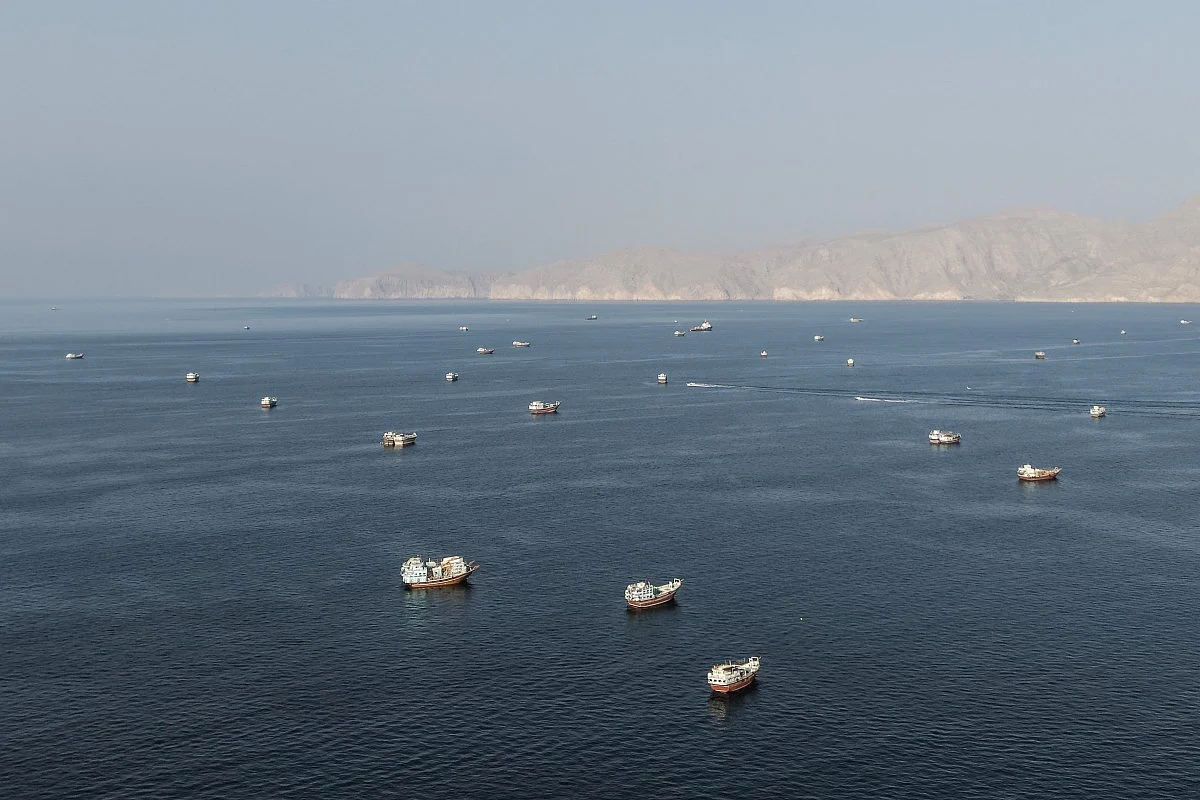
Residents of the United Arab Emirates woke up this Monday with a complex outlook on the Middle East conflict: oil is flowing more freely through the Strait of Hormuz, and crude prices have experienced a slight decrease. However, tanker attacks are on the rise, and heavy fighting in Yemen is threatening another critical shipping passage. For UAE citizens, the practical concerns center around regional travel, shipping security, and the likelihood that ongoing disruptions will fuel elevated energy and transportation costs.
Data released on Monday revealed promising news on the oil front. Middle East crude exports rebounded to levels seen before the war on 14 days during September, with the seven-day average reaching 18.3 million barrels per day at month's end. Additionally, liquefied natural gas (LNG) traffic through Hormuz has also increased. Despite these improvements, there is a critical cautionary note.
At least seven incidents involving tankers were reported in the past week, according to the maritime security firm Marisks. A tanker was struck by an unknown projectile in the Strait of Hormuz on Sunday, causing damage to its engine room, though the crew were reported to be unharmed. The United Kingdom's Maritime Trade Operations has recorded at least one attack per day near Hormuz or the Gulf of Aden since October 2.
For the UAE, this mixed bag means that while goods and energy may be moving more freely, shipping remains costly and uncertain.
An additional significant development unfolded in Yemen on Monday. Saudi-backed government forces reported gaining effective control of the Bab Al Mandab Strait after advancing against Iran-aligned Houthi forces. With support from heavy Saudi air strikes, government troops secured key positions around Dhubab. However, fighting persisted, and the Houthis denied the claims made by the government.
The Houthis also threatened aircraft operating within Saudi airspace. Bab Al Mandab serves as a vital trade and energy route, connecting the Red Sea to the Gulf of Aden. The prospect of instability affecting both Bab Al Mandab and Hormuz is of particular concern for the UAE and other Gulf economies. Moreover, the humanitarian impact is worsening, with the UN migration agency reporting that around 184,000 people have been displaced since the resumption of fighting in Yemen.
There was some relief in energy markets on Monday, as Brent crude prices dipped to approximately $101.82 per barrel in London. This decline was attributed to the rise in Middle East exports and the G7 countries' plans to release emergency oil and fuel reserves. Despite this reprieve, the energy crisis is far from over. Saudi Aramco's chief executive, Amin Nasser, cautioned on Monday that it could take up to two years to rebuild global crude and fuel inventories.
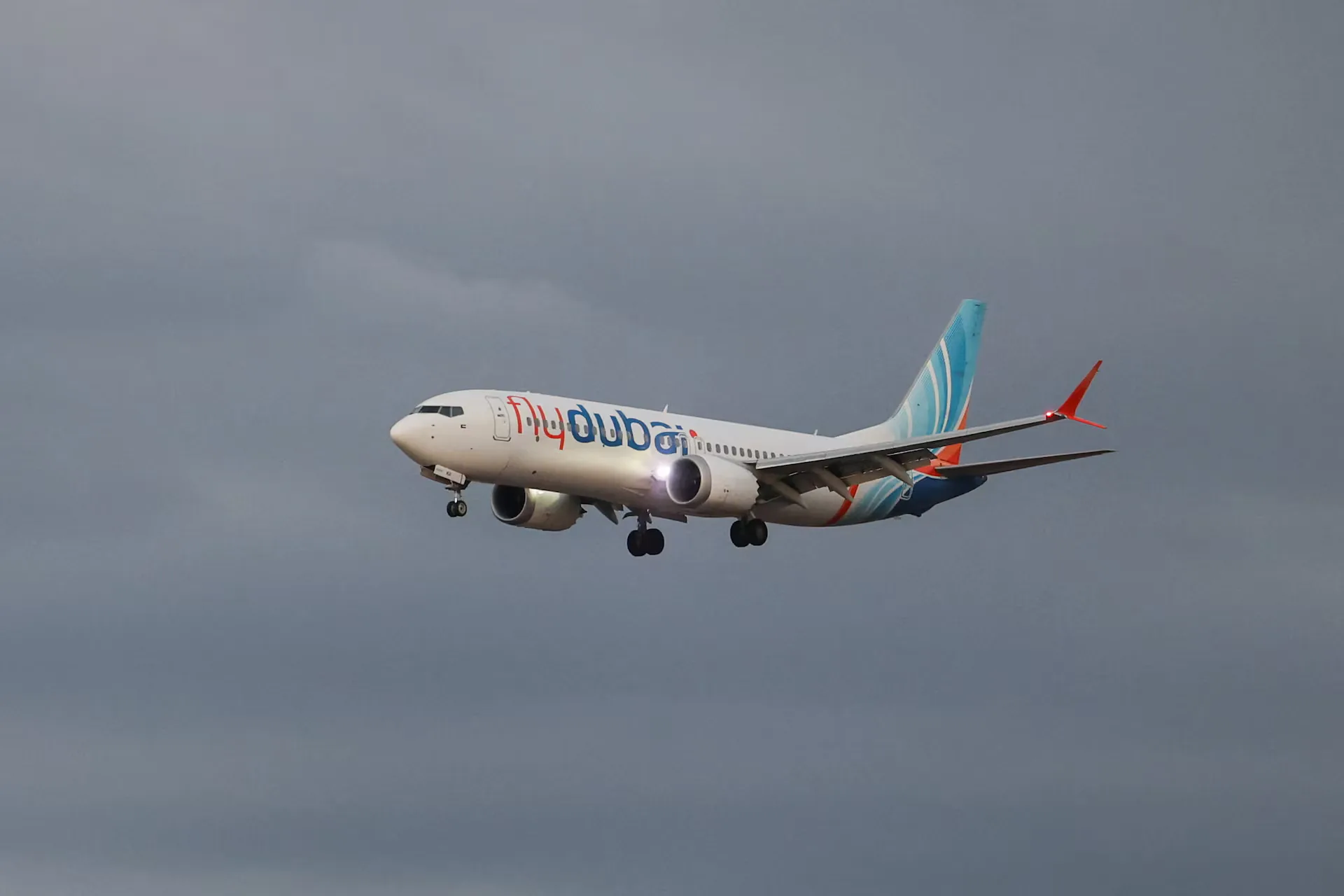
Despite these developments, UAE financial markets remained relatively stable, with Dubai's index gaining 0.1% and Abu Dhabi rising by 0.4% on Monday. UAE travelers must continue to monitor their flight schedules, as Monday saw further delays and cancellations. Several departures from Dubai International were delayed, including an Emirates flight to Copenhagen, while flydubai canceled services to destinations such as Abha, Moscow, and Bangkok.
Air Arabia also canceled several Sharjah flights to locations including Kuwait, Bahrain, Gassim, Chattogram, and Doha. Etihad reported delays on some of its services from Abu Dhabi but did not announce major cancellations. Flydubai's flights to Israel remain suspended following a cockpit security incident last week. For UAE residents, the recommended course of action remains clear: check your individual flight details before departing for the airport, as schedules may change with little notice.
The US-Iran conflict continues to unfold, with Iran rejecting military solutions and the Saudi-led coalition backing the Yemen offensive against Houthi forces, as reported by IRNA. Additionally, Trump's policies have led to wage stagnation and workforce turnover in the UAE, while UAE-India airfares are anticipated to increase due to fuel price hikes prompted by the ongoing US-Iran war.
Written by urgent.news from Gulf News's reporting — not their text. Machine-written — may contain errors; check the original before relying on it.
This story
This is one outlet's version. Read the fullest account.