US and German scientists win Nobel medicine prize for work on light and brain
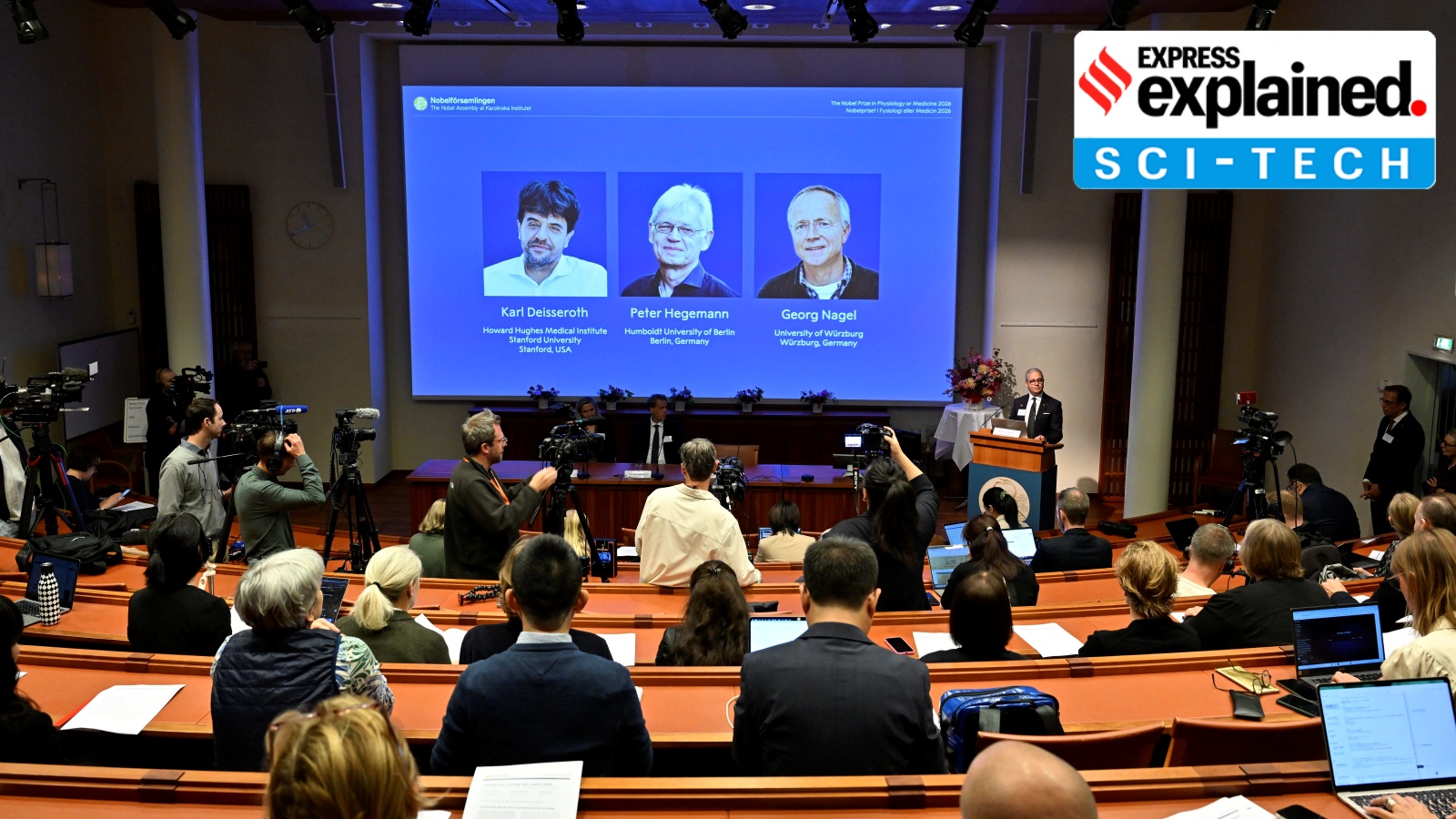
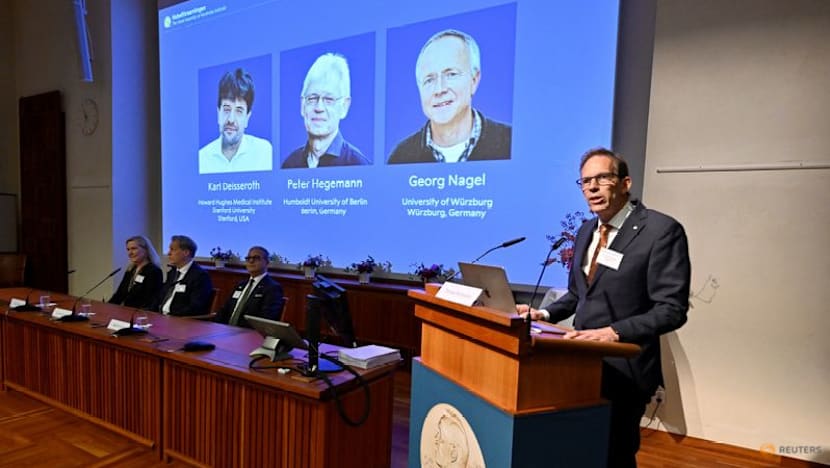
STOCKHOLM: American Karl Deisseroth and Germans Peter Hegemann and Georg Nagel won the 2026 Nobel Prize in Physiology or Medicine on Monday for developing optogenetics, a technique that uses light to control individual nerve cells in the brain. The Nobel Assembly of Sweden’s Karolinska Institute said Deisseroth, 54, Hegemann, 71, and Nagel, 73, had been selected for their “discoveries concerning…
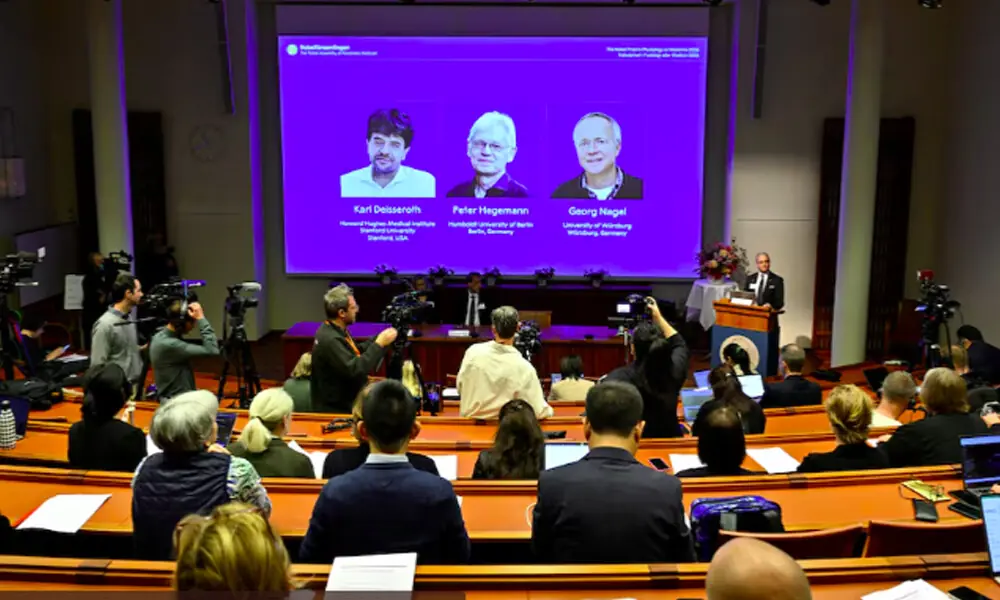
American Karl Deisseroth, along with German scientists Peter Hegemann and Georg Nagel, have been awarded the 2026 Nobel Prize in Physiology or Medicine for their groundbreaking work on optogenetics. This technique utilizes light to control individual nerve cells in the brain, enabling researchers to switch their activity on or off. The Nobel Assembly of Sweden's Karolinska Institute recognized Deisseroth, Hegemann, and Nagel for their discoveries concerning light-gated ion channels and optogenetics.
Optogenetics has revolutionized neuroscience by allowing scientists to precisely manipulate and study the brain's functions. Thomas Perlmann, Secretary-General of the Nobel Assembly, explained that optogenetics enables researchers to understand how the brain processes information and how neurons interact across the brain. The three laureates will share a prize amount of 12 million Swedish crowns ($1.2 million).
The trio's research has provided insights into various brain disorders, such as schizophrenia, Alzheimer's disease, Parkinson's disease, epilepsy, and addiction. Researchers are currently using animal models to understand these conditions, with the ultimate goal of developing treatments for millions of people worldwide who suffer from these diseases.
Optogenetics is also being applied to restore vision in individuals blinded by retinitis pigmentosa, a progressive eye disease, by inserting light-sensitive proteins into the retina. This technique may also improve cochlear implants, allowing for more precise stimulation of the auditory nerve.
While the laureates' work has opened up new avenues in neuroscience, its true potential remains to be seen. Manuel Valero, a researcher at Barcelona's Hospital del Mar, believes that optogenetics has pushed the boundaries between science and science fiction, with the possibility of controlling emotions, creating false memories, or even recovering lost memories in Alzheimer's disease models.
However, the most significant impact of optogenetics is likely to be in treating brain diseases, a promise that has yet to be fulfilled.
Written by urgent.news from Business Recorder's reporting — not their text. Machine-written — may contain errors; check the original before relying on it.