Umwelt: Riesiger unterirdischer Süßwasser-„See“ bei Venedig entdeckt
Forscher entdecken bei Venedig unter der Erde ein riesiges Süßwasservorkommen von der Größe des Gardasees. Kann der unterirdische „See“ helfen, künftige Wasserkrisen zu bewältigen?
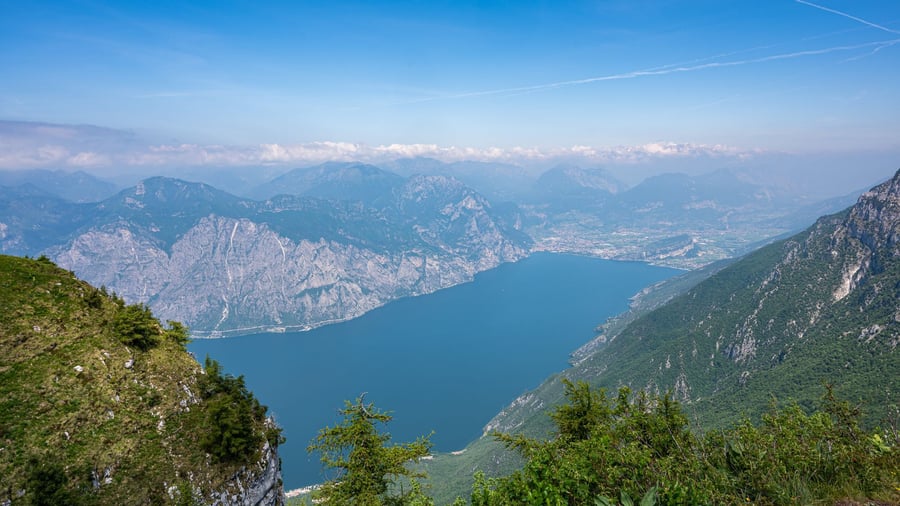
In the coastal region of northern Italy near Venice, scientists have discovered a massive underground reservoir of freshwater. The storage lies beneath approximately 25,000 to 30,000 hectares of land - an area comparable in size to the entire Lake Garda, according to engineer and project leader Lorenzo Frison. Protected by layers of clay or silt, the subterranean water body is actually an aquitard - a type of underground sponge.
The water is stored in deep geological layers, making it comparatively immune to the increasing intrusion of saltwater from the region. This insulation is due to the ascent of seawater into rivers, a phenomenon partly attributed to climate change, such as reduced river flow. Seawater is already heavily salted at a depth of seven meters, with a salinity of 14 grams per liter - which, while less than typical seawater (35 grams per liter), is still harmful to agricultural crops.
The insights stem from the European research project SWAMrisk, involving Croatian scientists as well. The main objective was to study the impact of climate change on coastal groundwater systems along the Adriatic, aiming to mitigate drought risks and saltwater intrusion and ensure future water supply. However, the exact volume of the new water source and its potential for exploitation remain unclear.
The region is hopeful that this discovery could be a significant development, offering a solution to future water crises, particularly in agriculture. Fratelli d Italia party Vice-president Matteo Baldan expressed his excitement, calling it an important discovery that could benefit a large area and provide an additional means to manage future water shortages, including those in agriculture.
It remains to be seen what opportunities for environmentally friendly use exist to harness this potential resource without disrupting the hydrogeological balance.
Written by urgent.news from Handelsblatt's reporting — not their text. Machine-written — may contain errors; check the original before relying on it.