Tome And Plume: Bhopal’s Millennium: From Master’s Plan In 1047 To Masses Blueprint Of 2047
Bhopal (Madhya Pradesh): Khuda ne mujhe ghazal ki sultanat bakhshi hai, aur main ye sultanat Bhopal ke naam karta hoon (God gifted me the kingdom of ghazals, and I dedicate this sultanate to the name of Bhopal) – Bashir Badr It remains a question. How was Bhopal from 1047 to 1947, and how will it be in 2047 after the Master Plan comes into vogue? By the time the city enters 2047, the Generation…
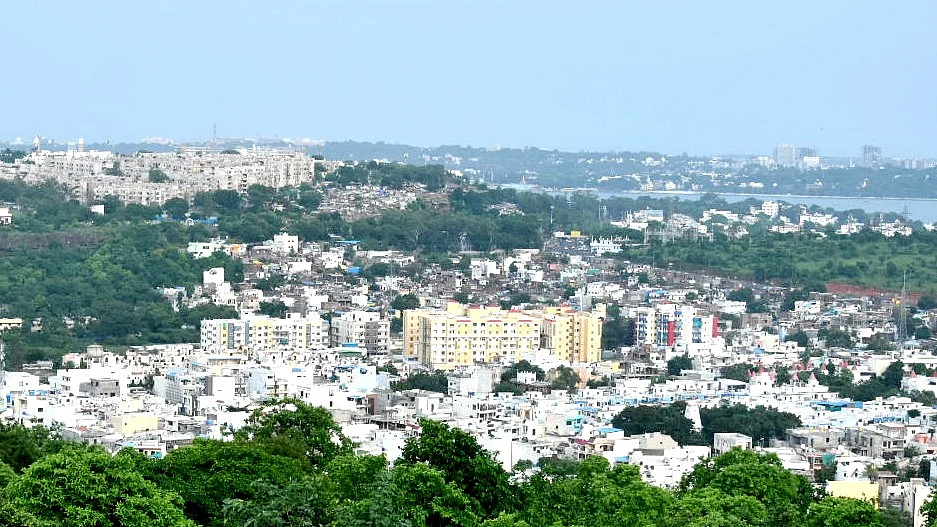
Bhopal's development from its origins in 1047 to its projected form in 2047 is a tale of transformation, shaped by both historic visionaries and modern masters. Raja Bhoj, the original ruler, laid the foundation with a population of around 1,000 and envisioned the iconic Upper Lake, still a pivotal part of the city today. His focus on temples, water supply, security, and agriculture set the stage for future growth.
Over the centuries, the city's population expanded, experiencing various phases of development, from Nawab Sikandar Begum's administration in 1847 with a population nearing 35,000, to the rapid urbanization that saw Bhopal's population soar to nearly 2.7 million by 2047. Despite the shifts in governance, the city's core remains rooted in its historical legacy, with architectural gems like the Bhojpur temples and Moti Masjid standing as testaments to its rich cultural heritage.
While modern planning techniques and AI-driven technologies are set to redefine Bhopal's skyline in the future, the city's unique charm and historical significance are expected to endure, offering residents and visitors a fascinating blend of the old and the new.
Written by urgent.news from Free Press Journal's reporting — not their text. Machine-written — may contain errors; check the original before relying on it.