The Curse of the Incumbent
The wave of voter anger that swept the globe in 2024 is still rolling.
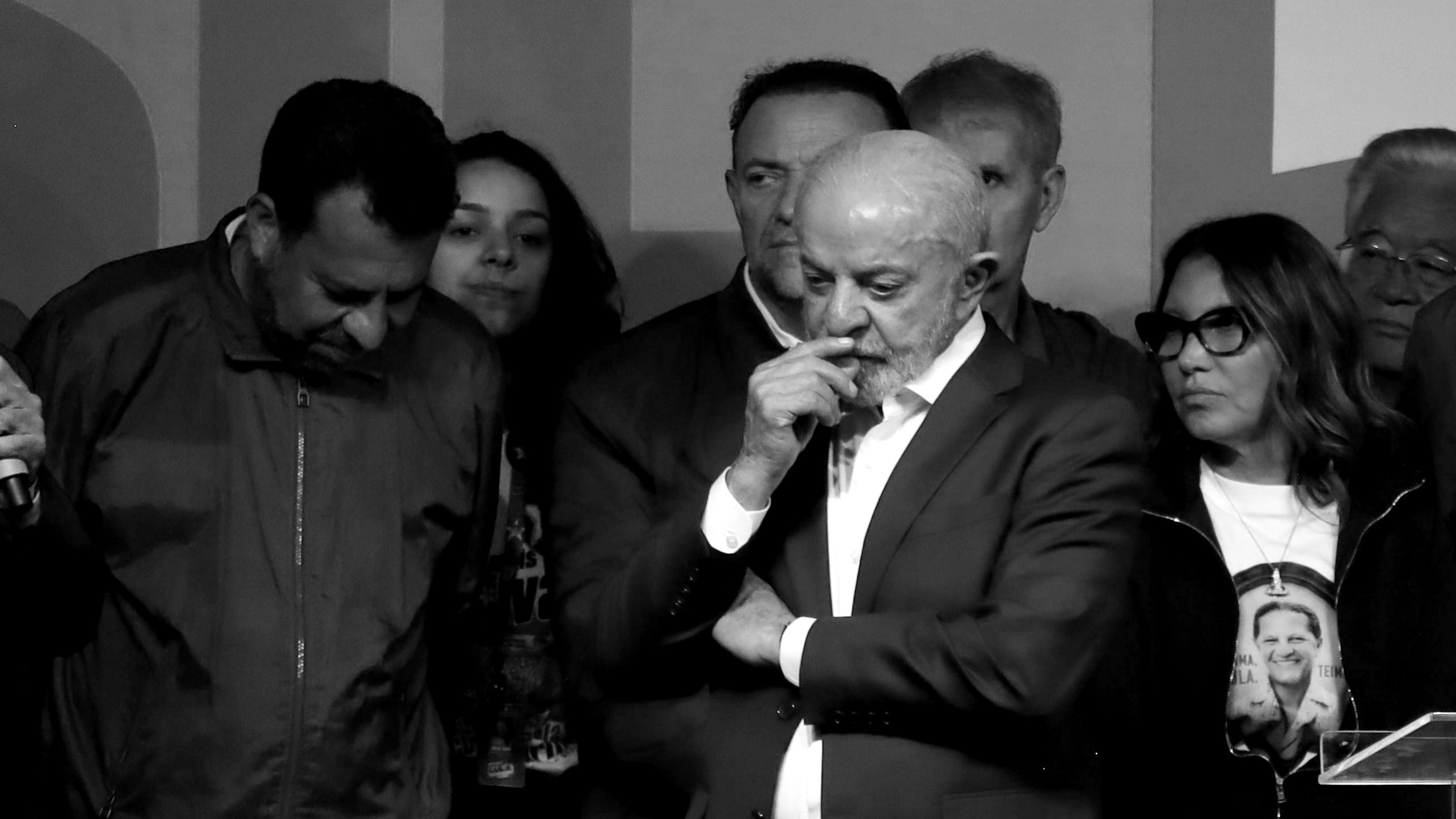
The Atlantic Daily explores the phenomenon of voters rejecting incumbent leaders across the globe in the aftermath of the 2024 U.S. presidential election. While Brazil’s incumbent, Luiz Inácio Lula da Silva, was initially favored to win, Bolsonaro emerged ahead in the first round of voting. Lula, a leftist leader who served two terms as president from 2003 to 2011, faces voter dissatisfaction stemming from concerns over crime and a corruption scandal.
Bolsonaro, whose father Jair was president from 2019 to 2023, is now seen as an alternative by voters.
The anti-incumbent wave is not limited to Brazil, as political scientists have observed a trend of voters rejecting incumbents in various countries worldwide. This shift could lead to instability and conflict as parties and leaders struggle to create lasting policy changes. Examples include Hungary and Denmark, where right-wing leaders were ousted, and Germany, where Chancellor Friedrich Merz faces uncertain prospects.
This global trend is also evident in Spain, where Prime Minister Pedro Sánchez is calling for early elections due to his center-left party's trailing poll numbers. The impact of anti-incumbent sentiment extends to the United Kingdom, where the Conservatives suffered a landslide defeat at the hands of Labour. However, Prime Minister Keir Starmer's tenure was short-lived, as Labour's Andy Burnham effectively replaced him.
The potential return of Jair Bolsonaro to the Brazilian presidency could signify a shift back to the right, while in the United States, voters may be wary of electing Trump after his narrow 2024 victory. As anti-incumbent sentiment remains strong, any new approach should be viewed as fragile and fleeting.
Written by urgent.news from The Atlantic's reporting — not their text. Machine-written — may contain errors; check the original before relying on it.