Terror at 34 000 feet: What Flydubai passengers endured during a mid-flight cockpit attack
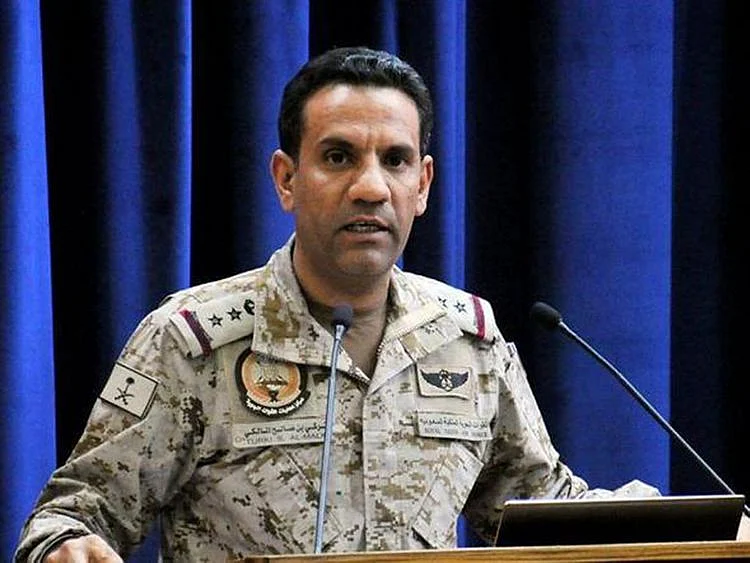
The incident unfolded aboard Flight FZ1073 when the co-pilot allegedly assaulted Captain Smit Machchhar inside the cockpit.
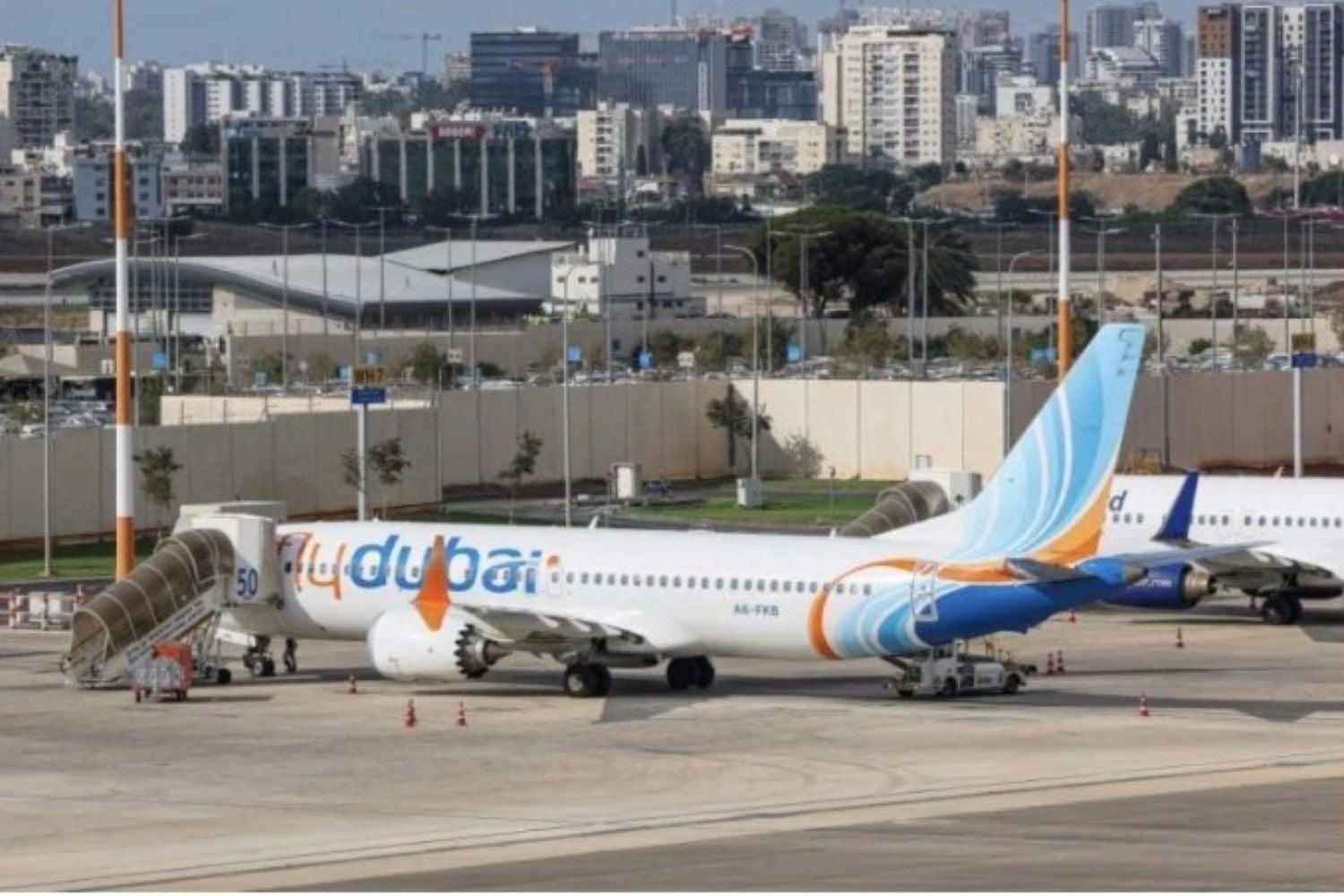
Onboard a Flydubai flight from Dubai to Tel Aviv, passengers endured a harrowing mid-flight ordeal when a co-pilot allegedly assaulted the captain and tried to seize control of the aircraft. The incident occurred on Flight FZ1073, which was flying at 34,000 feet (approximately 10,360 meters) when the co-pilot attacked Captain Smit Machchhar inside the cockpit.
The co-pilot allegedly assaulted Captain Smit Machchhar inside the cockpit. A South African pilot, traveling as an off-duty crew member, reportedly helped prevent a potential catastrophe after passengers and cabin crew subdued the attacker. The aircraft briefly plummeted about 17,000 feet (5,180 meters) before regaining control.
The flight was forced to make an emergency landing at Prince Sultan bin Abdulaziz International Airport in Tabuk, northwestern Saudi Arabia, where the co-pilot was subsequently arrested and handed over to the United Arab Emirates, which is leading the investigation.
Experienced observers have noted that the rapid descent would have subjected passengers to extreme physical forces, confusion, and fear as pilots battled to regain control of the jet. G-forces are likely to have been significant as the aircraft fought to stabilize. Additionally, it's believed the aircraft may have exceeded its intended operating speed during the descent, placing immense stress on critical flight control surfaces.
While the aircraft sustained damage to its rudder, investigators are concerned about the extent of potential structural compromise. This scenario is exceptionally rare, particularly in light of stringent security measures implemented worldwide following the 9/11 attacks in the United States. Modern commercial aircraft feature reinforced cockpit doors, and pilots can deny unauthorized access to the cockpit.
The aviation expert pointed out that the threat in this incident originated from within the cockpit, a scenario made more difficult due to rigorous pilot screening processes. Pilots undergo extensive psychometric assessments and background checks, though the effectiveness of these measures can vary among airlines.
Despite the dramatic nature of the event, experts stress that commercial air travel remains one of the safest forms of transportation. There are numerous flights daily without incident, and the rarity of such incidents underscores the effectiveness of aviation safety systems. The expert highlighted that commercial aviation employs layers of security, rigorous training, and strict regulatory oversight, making it exceptionally safe.
While no system is infallible, the lessons learned from this incident are expected to lead to further improvements across the industry. South Africa maintains a solid aviation safety record, supported by robust pilot training standards and regulatory oversight, with pilots typically acquiring extensive operational experience before joining commercial airlines.
Written by urgent.news from The Citizen's reporting — not their text. Machine-written — may contain errors; check the original before relying on it.