Supreme Court refuses to stay proceedings against Nicobar project
The petitions in the Calcutta High Court say that the diversion of over 130 sq. km of pristine tropical forest violated the Forest Rights Act and threatened the Shompen and Nicobarese way of life and culture
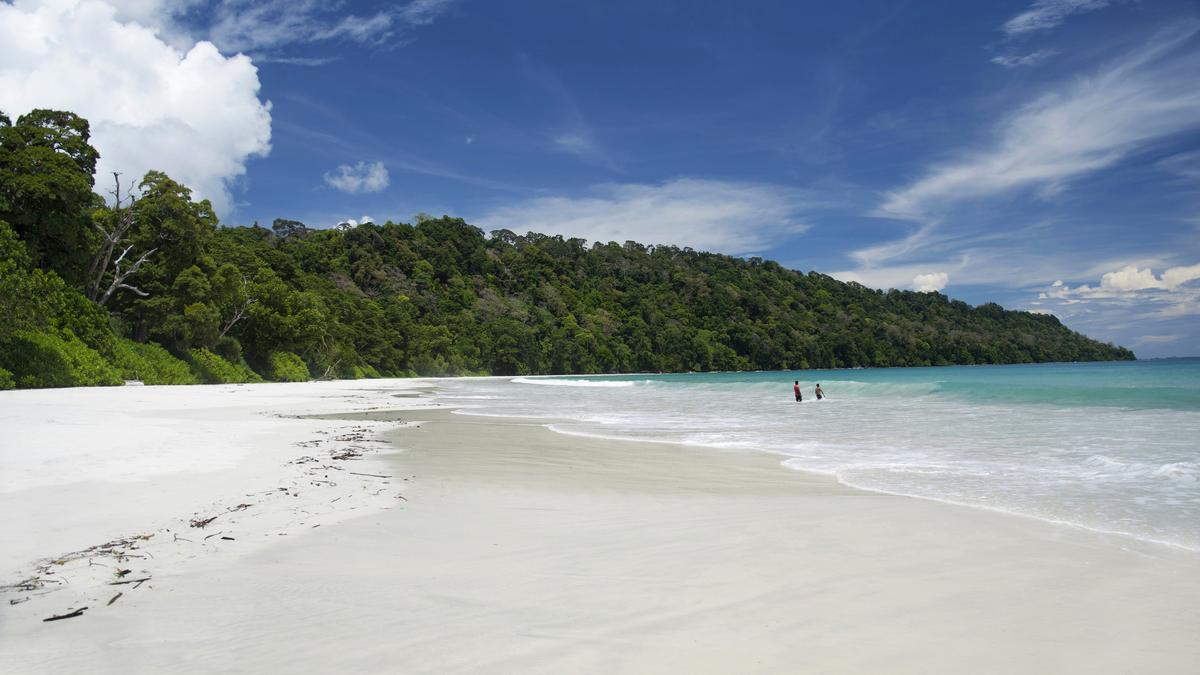
On October 5, 2026, the Supreme Court of India refused to stay proceedings against the Great Nicobar Island Project, upholding the Calcutta High Court's jurisdiction to hear a petition challenging the project's impact on the ecosystem and tribal rights. The three-judge Bench headed by Chief Justice Surya Kant decided not to interfere with the ongoing legal proceedings.
Attorney General R. Venkataramani argued that the ₹72,000 crore project, which includes a container terminal, holds immense national importance and strategic value. He claimed there would be no displacement of the indigenous tribes, including the endangered Shompen and Nicobarese tribes, due to the project. However, Justice Joymalya Bagchi cautioned against conflating security concerns with commercial interests, emphasizing the constitutional protection afforded to tribe cultures.
Justice Bagchi noted that the National Green Tribunal (NGT) had already twice dismissed environmental concerns regarding the project, clearing the environmental clearance with conditions and forming a High Powered Committee to reassess ecological impacts. The NGT had rejected a subsequent review against the environmental clearance in April 2023. However, the Calcutta High Court had allowed Ms. Meena Gupta's writ petitions, arguing that she was not a local and questioning the project's environmental impact.
The High Court scheduled the case for November 25 and 26 to address constitutional issues, including the preservation of tribal culture and way of life. Mr. Venkataramani contended that the tribes were integrated and not under the protected category, pointing out that the Shompen were classified as Particularly Vulnerable Tribal Group. Despite this, the Supreme Court Bench decided to let the Calcutta High Court decide the case without delay, inviting the Centre to continue pursuing the maintainability issue.
Written by urgent.news from The Hindu's reporting — not their text. Machine-written — may contain errors; check the original before relying on it.
This story
This is one outlet's version. Read the fullest account.
- Supreme Court weighs limits on corporate climate lawsuits thearabianpost.com
- Supreme Court hears major climate case thehill.com
- Supreme Court hears arguments from oil companies attempting to end climate change lawsuits cbsnews.com
- Bombay High Court declines to stay deletion of names from voters’ list in Maharashtra thehindu.com
- ‘If citizens being removed, what is purpose of SIR?’ Bombay High Court asks Election Commission indianexpress.com