Supreme Court refuses to stay Calcutta HC order in Great Nicobar Island Project; terms ‘preservation of culture’ a fundamental right
The petitions in the High Court had claimed that the diversion of over 130 sq. km of pristine tropical forest violated the 2006 Act and threatened the Shompen and Nicobarese way of life and culture.
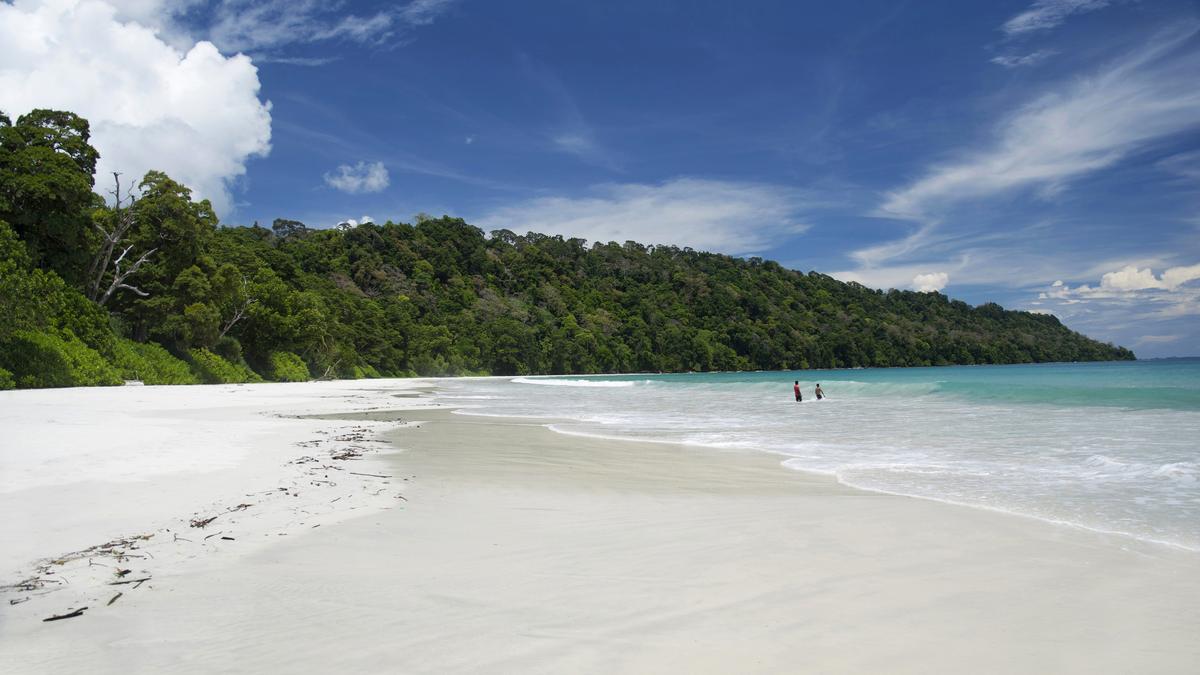
On October 5, 2026, the Supreme Court declined to stay a Calcutta High Court order in a case challenging the Great Nicobar Island Project. The Court affirmed that "preservation of culture is a constitutionally protected fundamental right." The three-judge Bench, headed by Chief Justice Surya Kant, instructed the High Court to adjudicate the case without delay.
The Center, represented by Attorney General R. Venkataramani and Additional Solicitor General Aishwarya Bhati, emphasized the immense national importance and strategic value of the ₹72,000 crore project, which involves a container terminal. The Court acknowledged that there was no displacement of the indigenous tribal population, such as the endangered Shompen tribe.
Justice Joymalya Bagchi noted that "preservation of culture" warranted constitutional protection for tribal cultures in Nicobar. Bhati argued that the National Green Tribunal (NGT) had previously ruled on environmental concerns, clearing the project's clearance with conditions and forming a High Powered Committee to re-examine specific ecological impacts.
The Calcutta High Court had dismissed the government's preliminary objections regarding the writ petitions' locus standi, as Gupta was not deemed a local. However, the High Court had scheduled the case for November 25 and 26 to hear constitutional issues concerning fundamental rights and the preservation of tribal life. Senior advocate S. Muralidhar, representing Gupta, pointed out that the Union's arguments regarding maintainability had become academic, as tribal councils had been impleaded.
The Bench suggested the Union could present the NGT decisions to the High Court, urging the Centre to continue pressing the maintainability question. The cases in the High Court alleged that the project's diversion of over 130 sq. km of pristine tropical forest violated the 2006 Act and threatened the Shompen and Nicobarese tribes' way of life and culture.
Written by urgent.news from The Hindu's reporting — not their text. Machine-written — may contain errors; check the original before relying on it.
This story
This is one outlet's version. Read the fullest account.
- As election looms, Supreme Court reconvenes to new wave of Trump cases abcnews.com
- Supreme Court: ‘Need to create fear in minds of goons committing crimes against women’ livemint.com
- Madras High Court begins hearing Tamil Nadu CM Vijay’s plea to reject election petitions thehindu.com
- Supreme Court's new term kicks off with blockbuster climate change case npr.org
- Trump’s assault on the US Supreme Court enters a decisive year english.elpais.com
- "You Need To Create Fear...": Supreme Court To Delhi Police On Rape Cases ndtv.com
- Supreme Court to open judicial year with ceremony in temporary new building winnipegfreepress.com
- ‘Create fear in minds of criminals’: Supreme Court to Delhi Police on women’s safety indianexpress.com