Spain’s Leader Is Betting His Government on the Housing Crisis
The Spanish Prime Minister called for early elections after his governing coalition was unable to pass a package of emergency housing measures.
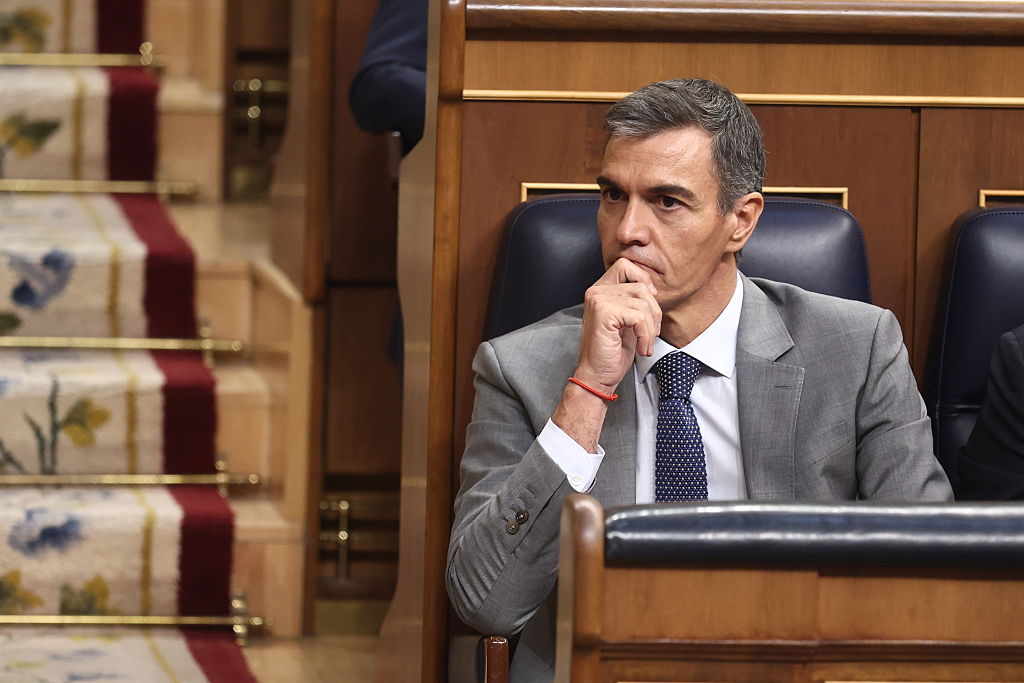
On October 2, 2026, Spain's Prime Minister Pedro Sanchez announced early elections after Parliament rejected two crucial housing decrees amid widespread public discontent over rising rents and housing scarcity. The elections, originally planned for next summer, will now occur on November 29. The rejected measures aimed to extend eviction protections, regulate rentals, and provide tax relief and assistance to renters and first-time homebuyers.
The governing coalition led by Sanchez, comprising his Socialist Party (PSOE) and the left-wing alliance Sumar, lacks a majority in Parliament and must rely on other parties to pass legislation. This dependence makes the government vulnerable when those parties withhold their support.
Sanchez hopes that early elections will enable his coalition to secure enough support in Parliament to advance its housing agenda. However, he faces the challenge of persuading voters to blame the parties that blocked his proposals for the lack of relief, rather than his government. Various parties have offered differing explanations for their rejection of the decrees.
The Catalan pro-independence party Junts claimed that many proposed measures would reduce rental home supply and drive up prices, making housing even harder to access for lower-income individuals. The conservative PP's Juan Bravo argued that the government was proposing significant market interventions without addressing the home shortage through construction.
Professor Sergio Nasarre Aznar of Universitat Rovira i Virgili echoed some of these concerns, warning that the proposed measures could increase legal uncertainty and make housing harder to access.
Sanchez's opponents are also focusing on other issues, such as immigration. For instance, Vox leader Santiago Abascal has made tougher migration policies a condition for supporting a future government with the conservative PP. This move could be a risk for Sanchez's party, as they may need to overcome backlash over corruption scandals, migration handling, and repeated struggles in securing parliamentary support.
Pablo Simón, a political scientist from the Universidad Carlos III de Madrid, believes that housing could help Sanchez mobilize key progressive voters, particularly younger voters, renters, and urban residents. However, Simón cautions that this does not guarantee a decisive electoral outcome. With a snap election, Sanchez is gambling that the housing issue will remobilize the left and give his coalition more seats in Parliament to advance its proposals.
Yet, even if he succeeds in making housing a central campaign issue, Simón notes that it does not automatically mean the PSOE will gain electorally. The conservative PP, Vox, and Junts could still hold enough seats between them to block Sanchez's housing proposals, especially considering the growing influence of the far-right Vox.
Recent polls indicate that Sanchez enters the election campaign at a disadvantage, with the PP holding 34% of the vote share, followed by PSOE at 26%, Vox at 18%, and Sumar with 5%.
Written by urgent.news from Time's reporting — not their text. Machine-written — may contain errors; check the original before relying on it.