Samburu warriors turn from lion hunters to protectors as Pride of Samburu premieres in Nairobi
NAIROBI, Kenya, Oct 5 — Samburu warriors who once hunted lions as a traditional rite of passage are now helping protect the animals, contributing to a dramatic recovery of the…
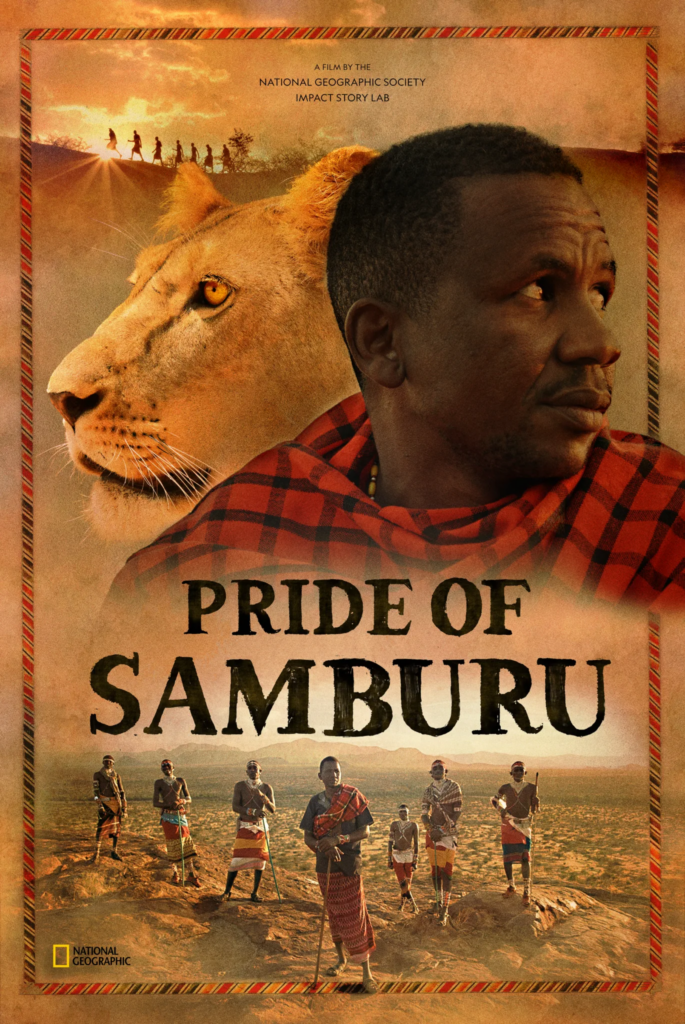
Nairobi, Kenya, Oct 5 — The once lion-hunting Samburu warriors are now lion protectors, contributing to a significant increase in the lion population in northern Kenya. Pride of Samburu, a National Geographic documentary, showcases this transformation, highlighting the community-led conservation efforts in Samburu. The film follows the journey of National Geographic Explorers Shivani Bhalla, Jeneria Lekilelei, and Toby Otieno, who work with local communities to protect lions and promote coexistence with people and livestock.
The story begins with Lekilelei, a former Samburu warrior, who, upon discovering that only 11 lions remained in his homeland, was initially met with resistance. "It was challenging when we first started lion conservation with Ewaso Lions in Samburu. Culturally, as a warrior, you are supposed to protect your livestock and society," Lekilelei shared.
However, his confidence grew as he realized the importance of lions to his culture. He later recruited other warriors to participate in conservation, turning their traditional knowledge into an asset for lion protection.
The documentary illustrates how this shift evolved through programs like Warrior Watch, which uses GPS collars to monitor lions and prevent conflicts with livestock and communities. Women are also involved through the Mama Simba program, training Samburu women in lion protection and habitat restoration. Munteli Lalparasoroi, the program's leader, emphasizes the importance of women in lion conservation, stating, "I am a custodian of the environment and wildlife.
In my line of work, we work to restore the environment. We give grass to the herbivores and that, in turn, is meat for the lions, which keeps the balance."
Pride of Samburu also explores the unique challenges facing lions in the region, such as habitat loss, prey scarcity, and human-wildlife conflict. Lekilelei emphasizes that protecting lions is about preserving Samburu identity, as lions play a significant role in their culture. "Lions play a crucial role in our culture. When lions roar, it’s a sign of hope in our culture. Losing them is like losing a part of ourselves," Lekilelei said.
The filmmakers hope the documentary will inspire more Kenyans to participate in conservation storytelling and empower local communities to determine their own conservation approaches. Kaitlin Yarnall, National Geographic Society Chief Storytelling Officer, highlights the importance of community involvement in conservation: "Pride of Samburu" is a Kenyan story, about Kenya's own national animal, and it was critical to tell it from the perspective of the people who live alongside these lions every day.
Written by urgent.news from Capital FM Kenya's reporting — not their text. Machine-written — may contain errors; check the original before relying on it.