Road rage: What to do if an aggressive driver follows you
Road rage can escalate quickly. Learn how to avoid provoking conflict, respond safely to aggressive drivers and get help if you are followed or confronted.
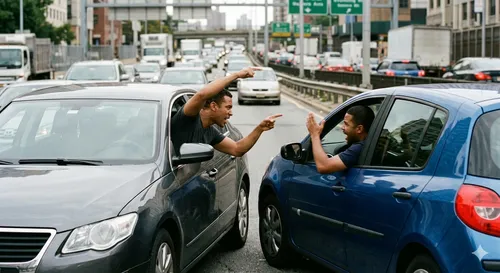
Experiencing road rage is a familiar sensation for many drivers, especially when confronted with slow-moving vehicles or dangerous lane changes. However, as road rage incidents gain attention, traffic safety experts and law enforcement are warning against engaging in confrontations on the highway. According to the South African Police Service (SAPS), retaliating in such situations is one of the most perilous choices a driver can make.
To maintain composure and safeguard yourself during daily commutes, traffic safety professionals advocate for proactive defensive driving techniques. In cases where an aggressive driver persists or starts tailing your vehicle, the SAPS advises driving towards a well-lit public place, a crowded petrol station, or the nearest police station.
If the situation turns physical, the SAPS stresses the importance of reporting the incident to the SAPS Emergency Line at 10111 immediately. It's essential to remember that escalating conflict while driving is a deliberate choice, and defensive driving remains the most effective safeguard. By remaining composed, ignoring provocations, and recognizing that traffic errors are seldom personal, you actively protect yourself and fellow road users.
When frustration rises during your commute, take a moment to breathe, yield the lane if necessary, and concentrate on your ultimate goal: reaching your destination safely.
Written by urgent.news from IOL's reporting — not their text. Machine-written — may contain errors; check the original before relying on it.