Urgent.News

What's breaking now, across thousands of outlets.

Health & Medicine

Research into weight-loss drugs tipped for Nobel as award week opens
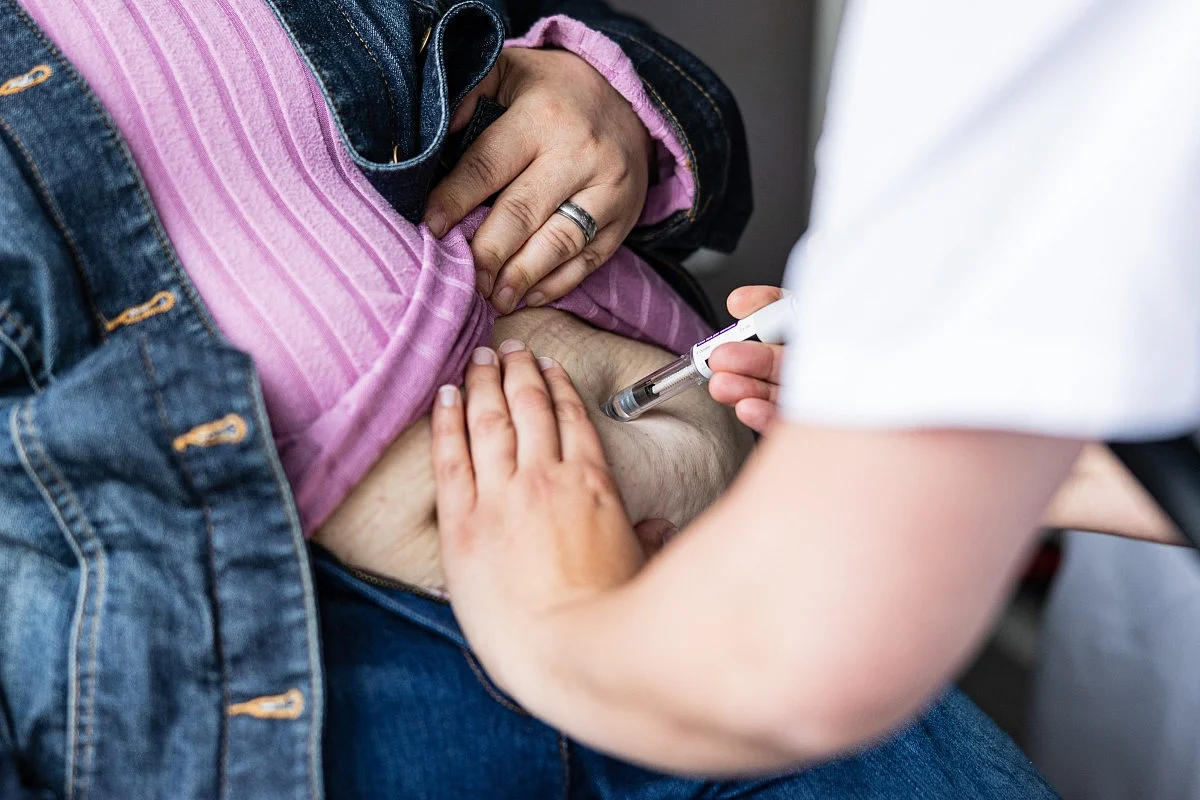
Research into weight-loss drugs tipped for Nobel as award week opens

This week marks the start of the 2026 Nobel Prize season, with the medicine prize set to be announced on Monday. Researchers studying hormones that regulate appetite are in the spotlight, as the work leading to weight-loss drugs like Ozempic and Mounjaro could earn a Nobel. The GLP-1 hormone, discovered through microbiome research and released by the intestine after eating, is a significant factor in these drugs' success.

Experts believe GLP-1 is the top contender for the Nobel, given its global clinical impact. Other potential winners include Canadian endocrinologist Daniel Drucker, Danish physician Jens Juul Holst, and American chemist Svetlana Mojsov, all recognized for their contributions to the field.

Written by urgent.news from Gulf News's reporting — not their text. Machine-written — may contain errors; check the original before relying on it.


Read the original at gulfnews.com →

More in Health & Medicine

Easing constipation: A 20-minute walk can get your gut moving almost immediately

Researchers found that just 20 minutes of comfortable walking can rapidly stimulate the gut. Within one to two minutes after exercise, bowel sounds became stronger, more frequent, and lasted longer…

  • 20-minute walk significantly boosts gut motility, study finds
  • Bowel sound amplitude nearly doubles within 2-3 minutes
  • Walking provides immediate, effective constipation relief

Researcher At Russian Plague Laboratory Dies of 'Unknown' Infection

"Russian health authorities have taken precautionary measures in response to the death of a woman who worked at an anti-plague research facility," reports Axios, "but have not confirmed that she…

  • 28-year-old researcher Daria Shipilova died at anti-plague facility
  • Pneumonia of unknown cause attributed to her death
  • Quarantines imposed, no plague microorganisms detected

More from Monday 5 October →