RBI policy confronts a world with long tails
The RBI is likely to begin raising rates in October, with another hike possible in Q4 2026, as inflation risks broaden. Higher oil prices, weather shocks, weaker currency and geopolitical risks are fuelling imported pressures.
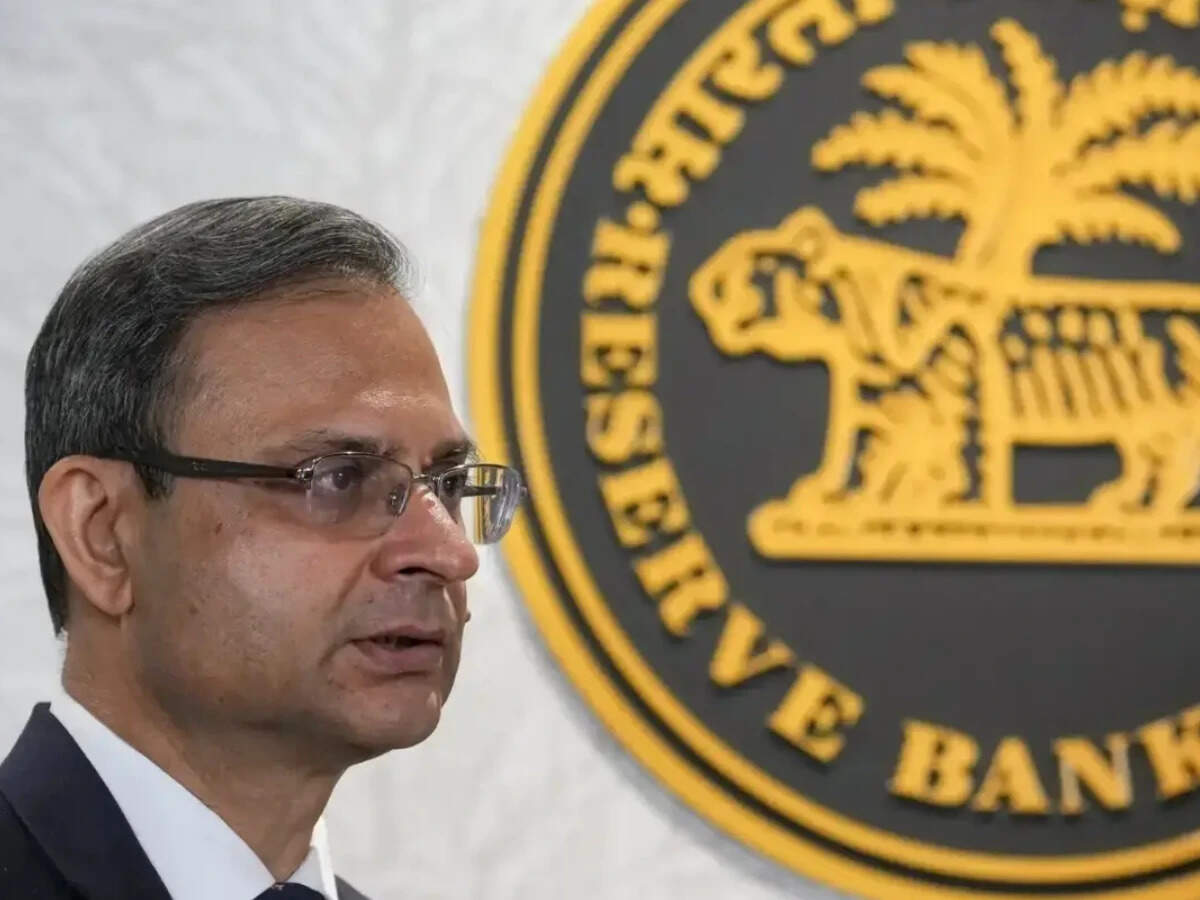
The Reserve Bank of India's monetary policy is navigating a world characterized by interconnected and non-linear risk events. Factors such as oil prices, geopolitical developments, global yields, currency movements and weather phenomena like El Niño have converged, generating volatility in various financial markets and contributing to inflation expectations and imported price pressures.
The policy committee's rationale for a rate hike in October, potentially followed by additional hikes in Q4 2026, stems from the increasing influence of external factors on inflation risks. Oil prices, vulnerable to geopolitical tensions, food prices impacted by weather conditions, and a weaker currency exacerbating imported inflation pressures, all add uncertainty to the inflation outlook.
As inflation has risen and broadened this year, with multiple sub-sectors outpacing the 4% inflation target, the RBI seeks to improve resilience against a backdrop of lower capital flows, higher funding costs, volatile exchange rates and rising domestic yields. Three catalysts behind this uptrend include rising energy costs, food inflation, and early signs of demand pass-through.
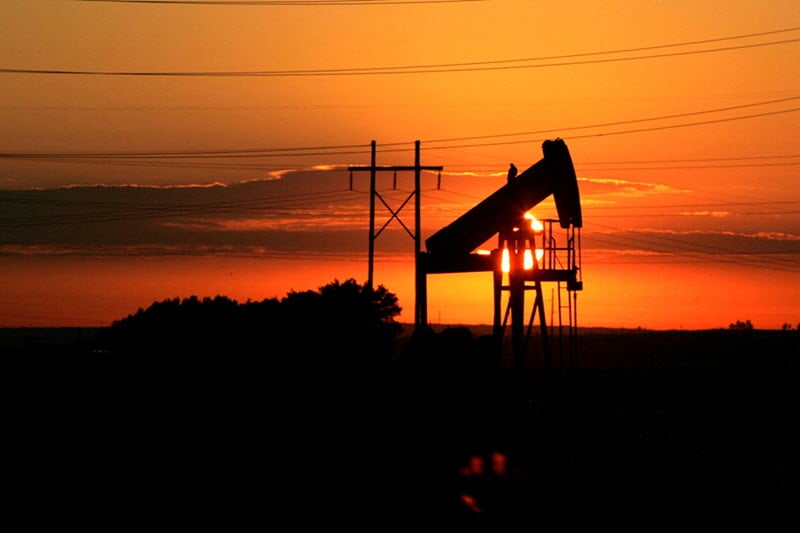
Oil prices have surged by 36% year-on-year, with retail pump fuel prices remaining unchanged since May 2026. Transport and utilities inflation have also increased, while businesses face significant fuel cost hikes. Weather disruptions, particularly the protracted El Niño phenomenon, have adversely affected food production and prices. Domestic rainfall this year is projected to be 12-13% below the long-term average, impacting reservoir levels and agricultural output.
Core inflation, excluding food and fuel, reached a 15-month high in August, primarily driven by precious metals. Excluding these metals, the reading was more moderate at 2.9%, indicating some economic slack. However, other sectors such as telecom, restaurants, business services, and transport fares have shown early signs of rising prices.
The RBI's inflation mandate has likely fueled the push to reduce excess liquidity. With a gradual broadening of price pressures expected to keep headline inflation above 5% in the second half of the fiscal year, the RBI is anticipated to initiate policy tightening in October, while simultaneously maintaining resilience against US rates and accounting for long-tail risks.
Written by urgent.news from The Economic Times - Economy's reporting — not their text. Machine-written — may contain errors; check the original before relying on it.