Press Release: Nobel Prize in Physiology or Medicine 2026
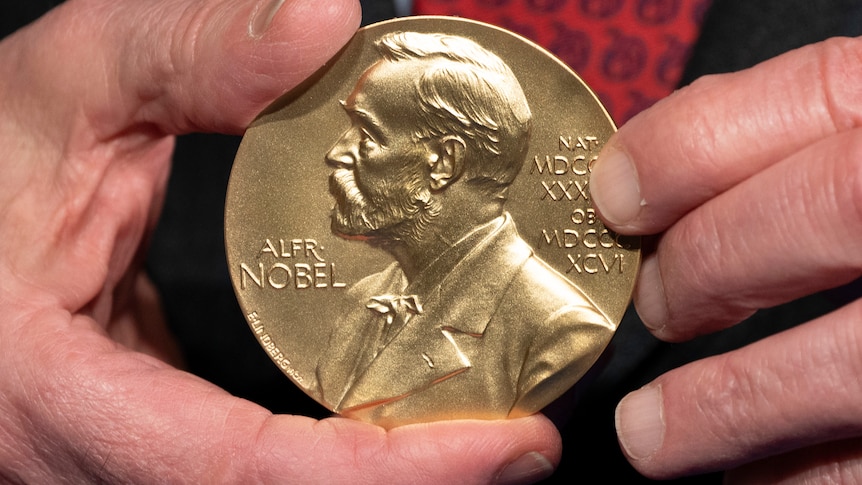
The Nobel Assembly at Karolinska Institutet has decided to award the 2026 Nobel Prize in Physiology or Medicine jointly to Karl Deisseroth from the Howard Hughes Medical Institute and Stanford University in the United States, and Peter Hegemann from Humboldt University of Berlin in Germany. The award recognizes their groundbreaking discoveries concerning light-gated ion channels and optogenetics.
Optogenetics is a method that enables researchers to control and observe the activity of individual nerve cells in living brains. This technique has revolutionized neuroscience by allowing scientists to map neural circuits responsible for memories, emotions, and behaviors. Prior to optogenetics, researchers struggled to establish causal relationships within the brain, relying on outdated sketch maps filled with uncertainties.
The story began with Peter Hegemann's curiosity about how a single-celled alga, Chlamydomonas, can swim towards light. In the early 2000s, Hegemann and Georg Nagel discovered channelrhodopsin, a remarkable protein on the alga's surface. When illuminated by blue light, the protein opens a channel, allowing charged ions to flow into the cell and creating an electrical impulse. This discovery showed that channelrhodopsin makes cells sensitive to light.
Karl Deisseroth took this protein a step further by introducing its gene into nerve cells from rats. By illuminating these cells with blue light, he successfully triggered nerve signals. This breakthrough was published in 2005, and two years later, Deisseroth applied this light-controlled switch to nerve cells in the brains of living mice. This new method of controlling nerve signals with light was named optogenetics.
Since its inception, optogenetics has rapidly gained global attention, providing invaluable insights into neural circuits governing specific memories, feelings, and behaviors relevant to neurological and psychiatric disorders. In clinical medicine, the technique is being explored for potential treatments to restore sight in people with visual impairment.
The Nobel Prize in Physiology or Medicine 2026 emphasizes the profound impact optogenetics has had on our understanding of the brain and the ongoing discoveries that continue to unravel one of humanity's greatest mysteries.
Written by urgent.news from Hacker News's reporting — not their text. Machine-written — may contain errors; check the original before relying on it.