Physical AI’s bottleneck shifts from what robots can do to whether factories trust them
AI is moving beyond the data centers where models are trained and onto factory floors where machines must handle constant change. But traditional industrial robots work behind a cage, repeat a single task and were never designed for the complexities of today’s market. Manufacturers now want general-purpose machines that can switch tasks and improve as […] The post Physical AI’s bottleneck shifts…

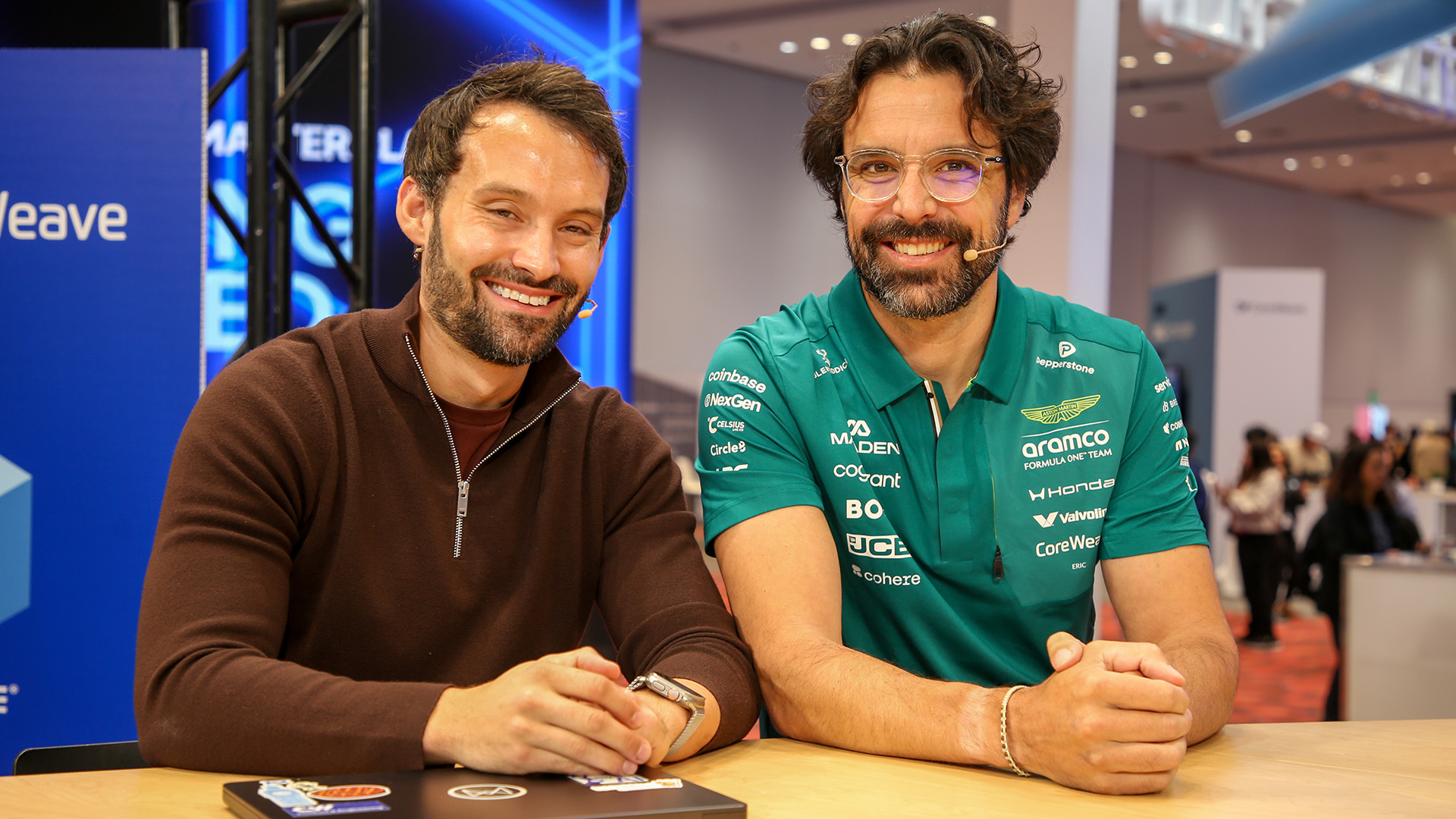
Physical AI's shift from capabilities to trust in factories marks a turning point in industrial robotics. Traditional robots are confined behind cages and limited to a single task, unlike the general-purpose machines sought by manufacturers. Adrien Gaidon, co-founder and chief strategy officer of Walden Robotics, explains that machines must continuously learn during deployment to adapt to changing processes.
This adaptability allows customers to modify and improve their procedures swiftly. Walden Robotics, spun out of Toyota Research Institute in January 2026, has achieved significant milestones, deploying robots that can work alongside humans in production lines. These robots excel in tasks like machine tending, parts kitting, and subassembly, previously unautomated or unattempted by manufacturers.
Gaidon highlights the shortage of machinists in the U.S., with half a million positions vacant, yet many tasks within these roles can be automated. CoreWeave Inc., a key partner of Walden Robotics, provides the essential infrastructure for physical AI development. Their involvement extends to pairing robots with remote human assistants, akin to the automated looms of the early 20th century, where one operator oversaw multiple machines.
This hybrid approach ensures robots can call for assistance when needed, feeding valuable data to enhance their performance continuously.
Written by urgent.news from SiliconANGLE's reporting — not their text. Machine-written — may contain errors; check the original before relying on it.