Norway plans temporary ban on smart glasses in some public places
Camera-enabled Meta spectacles are already restricted in UK and US because of fears about covert recording Norway is planning a temporary ban on smart glasses in some public places, amid rising global concern at the spread of the AI-enabled recording devices. The Oslo government is planning a bill to prevent the use of the camera-enabled spectacles in parks, beaches, museums, shopping centres,…
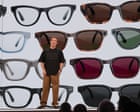
Norway is considering a temporary ban on smart glasses in public spaces due to growing concerns over privacy and covert recording. The Oslo government plans to introduce a bill to restrict the use of camera-enabled spectacles in various public places, including parks, beaches, museums, shopping centers, schools, daycare centers, healthcare facilities, gyms, and public events. Private use would still be permitted.
Torgeir Micaelsen, Norway’s minister of digital affairs, expressed worry about the potential for people to be photographed, filmed, or audio-recorded without their consent. The Labour party, which heads a minority government, aims to pass the proposed ban as soon as possible and is working with an expert group to establish permanent regulations.
Meta, a subsidiary of Mark Zuckerberg’s Facebook, manufactures smart versions of Ray-Ban and Oakley glasses that enable users to film, take photos, make phone calls, play music, and execute AI prompts. The company has sold at least 9 million pairs of the Ray-Ban smart glasses since the beginning of 2023.
Restaurants and pubs in the UK, as well as cinemas, have already implemented policies to ban or restrict the use of smart glasses, citing privacy and film piracy concerns. In California, Governor Gavin Newsom vetoed legislation that would have penalized individuals for using smart glasses to record people without their permission in private spaces.
France's child welfare group, E-enfance, has received around 20 reports of women being filmed without their knowledge using Meta smart glasses, often in a pattern involving a young girl or woman being approached in a public place, filmed without her consent, and the footage then posted on social media as a prank or street interview.
Meta has stated that each pair of smart glasses has a tamper-proof LED light that blinks white when the user is recording or taking pictures, advising users to stop recording if anyone expresses a desire not to be photographed.
Written by urgent.news from Guardian Business's reporting — not their text. Machine-written — may contain errors; check the original before relying on it.