NetApp’s Novus tackles metadata bottlenecks in AI data infrastructure
AI data infrastructure must support growing GPU clusters while making enterprise data usable for models and agents. NetApp Inc. is tying intelligent data infrastructure to production AI through a unified approach to storage and data management. Fragmented data and governance designed around manually applied policies can prevent enterprises from realizing returns on AI investments, according […]…
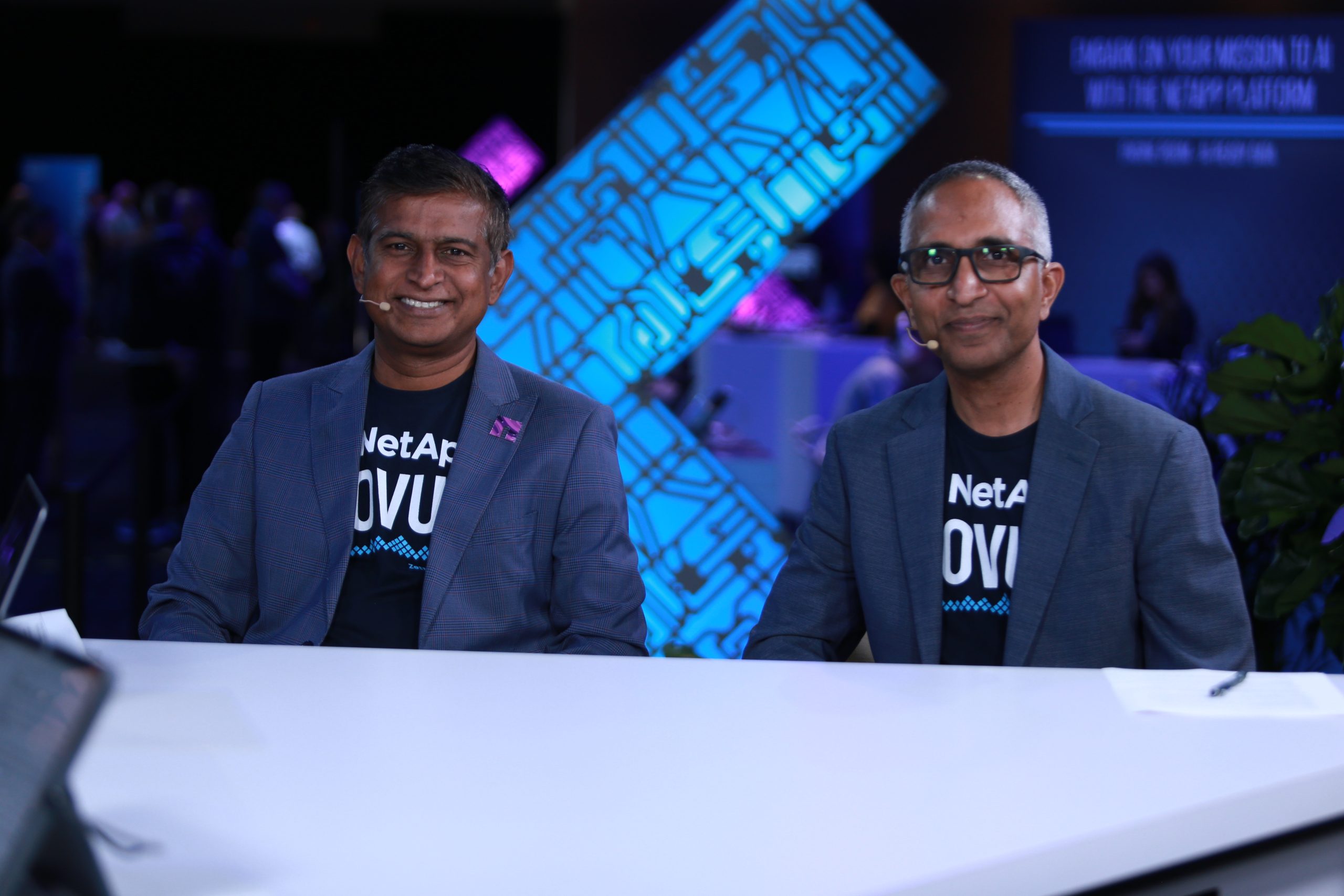
NetApp's Novus storage architecture aims to tackle metadata bottlenecks in AI data infrastructure, enabling enterprises to realize returns on their AI investments. Fragmented data and governance designed around manually applied policies can hinder organizations from reaping the benefits of their investments, according to NetApp's chief product officer, Syam Nair. The Novus system offers a unified approach to storage and data management, providing a single, intelligent infrastructure spanning the entire AI ecosystem.
Novus exceeds 100TB/s of aggregate throughput, with its Data Director managing metadata separately from stored data, allowing each to scale independently. This approach gives applications a unified view of files across multiple ONTAP storage clusters, eliminating the need for separate access to each cluster. The metadata access concurrency is a crucial pillar for the architecture's success.
However, speed alone is not sufficient for AI agents to act on the data effectively. NetApp's AI Data Engine discovers, classifies, and vectorizes enterprise data, aiming to reduce the preparation work typically requiring six to nine months of engineering time. While performance and throughput are essential for AI, NetApp emphasizes that the data must also be ready and protected to ensure the best possible outcomes.
The company is also leaning on open standards, such as the pNFS protocol, to facilitate integration with existing systems. NetApp plans to acquire PEAK:AIO Ltd., which will bring parallel file system technology to its platform. The goal is to provide an AI data infrastructure that seamlessly integrates with existing systems, eliminating the need for organizations to rip and replace their current setups.
Written by urgent.news from SiliconANGLE's reporting — not their text. Machine-written — may contain errors; check the original before relying on it.