Nepal ends flood search with over 5,000 still missing, including 189 Indians
Nepal has suspended non-essential search operations after the Bhotekoshi-Trishuli floods that occurred on August 26. The floods resulted in 1,455 deaths, with 5,285 people still unaccounted for, including many foreign tourists. Among the missing individuals are 189 Indians, along with tourists from various other countries. The government has shifted its focus towards reconstruction and…
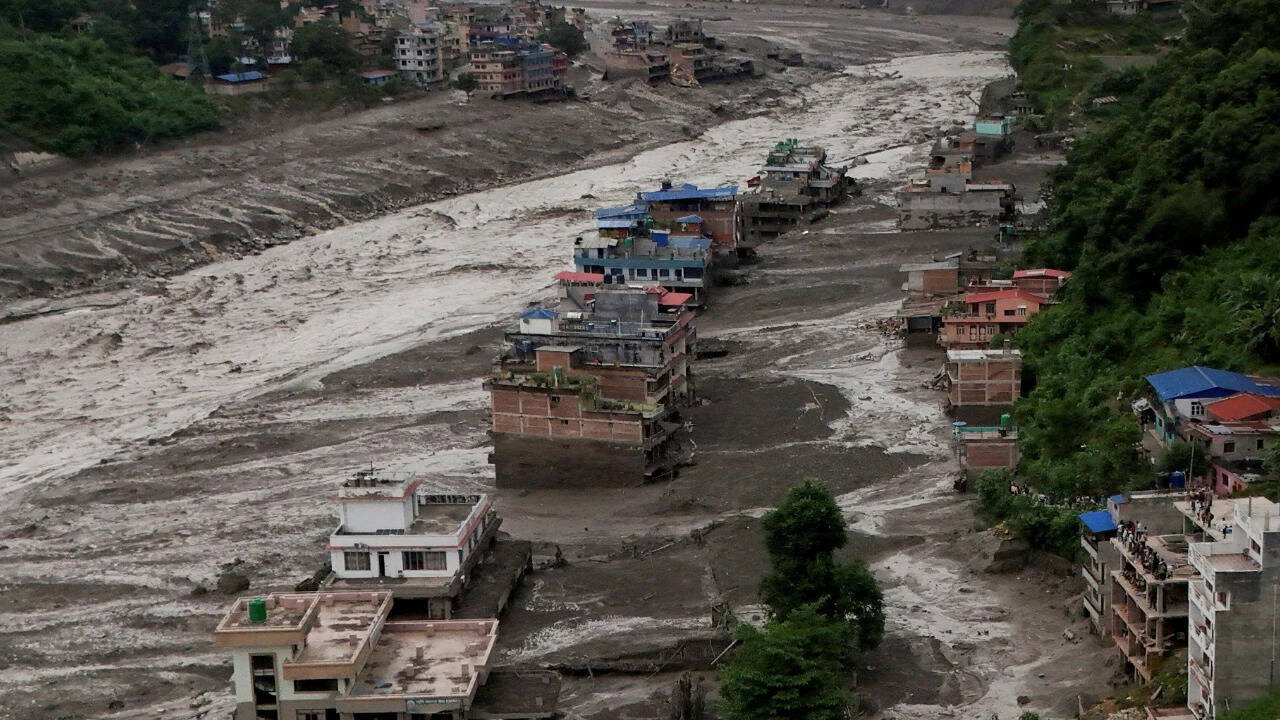
Nepal has suspended its search and rescue efforts for those still unaccounted for following the catastrophic flood in August. Officials are now contemplating the legal process of declaring the missing persons dead, enabling their families to finalize insurance claims, banking transactions, and other necessary legal procedures. The nation will commence a challenging endeavor to drain four glacial lakes located in the high mountainous terrain to mitigate the threat of future floods.
The devastating flood, which originated from the border region with Tibet, claimed at least 1,455 lives and left an estimated 5,285 people missing. Phanindra Paudel, the head of the National Emergency Operation Centre, announced the shift from the rescue phase to the rehabilitation phase, emphasizing the need to finalize legal formalities for the missing individuals.
Dharam Raj Uprety, the leader of the National Disaster Risk Reduction and Management Authority, clarified that the focus will move away from active body searches but will include the recovery of any found remains, property, or valuable items during the rehabilitation process. Emergency rescues will continue if deemed necessary. The flood wreaked havoc, destroying 12 hydroelectric projects, roads, bridges, farms, and settlements.
The authorities have estimated a requirement of nearly $7 billion for the early recovery and rehabilitation of the thousands of displaced individuals. To reduce the risk of lake breaches and downstream flooding, Nepal plans to drain the four high-altitude glacial lakes. Subash Tuladhar, a government research center expert overseeing the project, explained that canals will be constructed to channel water into nearby rivers in a controlled manner.
However, the workers face significant health risks due to the high-altitude work and the potential for sudden flooding. The drainage process, involving the installation of sensors, flood forecasting systems, and community resilience-building measures, is expected to span up to six years and commence after a comprehensive study of the central and eastern lakes, including Thulagi, Lower Barun, Lumding Tsho, and Hongu II.
Written by urgent.news from ABC News AU's reporting — not their text. Machine-written — may contain errors; check the original before relying on it.
This story
This is one outlet's version. Read the fullest account.