NASA Testing Aims at Supercooled Large Droplet Aviation Safety
NASA is leveraging its expertise and enhancing its test facilities to help address a rare but persistent aviation hazard: icing that occurs when aircraft encounter unusually large, very cold water droplets in clouds. The problem, known as “supercooled large droplet icing,” occurs when aircraft fly through clouds containing unusually large drops of water that are […] The post NASA Testing Aims at…
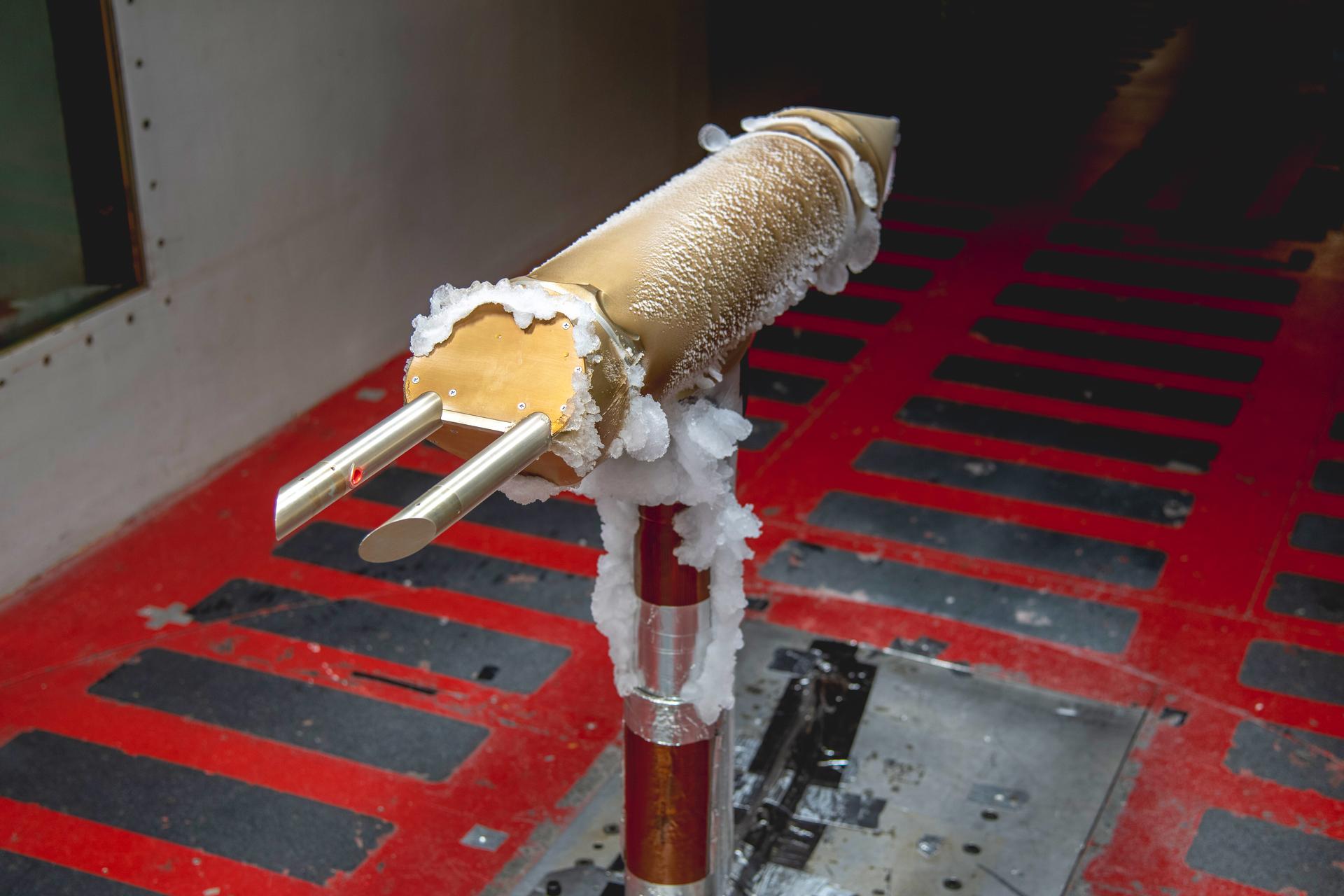
NASA is conducting tests to improve aviation safety in relation to icing caused by supercooled large droplets. These are unusually large, very cold water droplets in clouds that can freeze to aircraft surfaces not protected from ice buildup. NASA researchers are using the Icing Research Tunnel at Glenn Research Center in Cleveland to help industry better understand this phenomenon.
Supercooled water is common in clouds, but the specific issue of supercooled large drops occurs when droplets are unusually large and very cold. Aircraft are designed to handle typical icing conditions, but supercooled large drops are much larger and can cause issues beyond conventional ice protection systems. NASA is enhancing its equipment for generating and measuring experimental clouds in the Icing Research Tunnel, with new probes that can detect drops larger than 45 microns and perform real-time analysis.
This data will be compared to results from another probe that measures smaller droplets, providing a complete picture of the droplet size spectrum. Detailed analysis of the collected data is ongoing, and NASA's project team will share the results with the aerospace community.
Written by urgent.news from NASA Science's reporting — not their text. Machine-written — may contain errors; check the original before relying on it.