Most Gulf bourses edge up on energy relief, fading Fed hike odds
Most Gulf markets closed higher on Monday as easing energy disruption fears and tempered expectations of an immediate Federal Reserve rate hike bolstered sentiment, while the Middle East war continued to simmer. Cooling US jobs data and sharp downward payroll revisions slashed the odds of a Fed rate hike this month from 64% to under 20%, according to the CME FedWatch tool, though traders still…
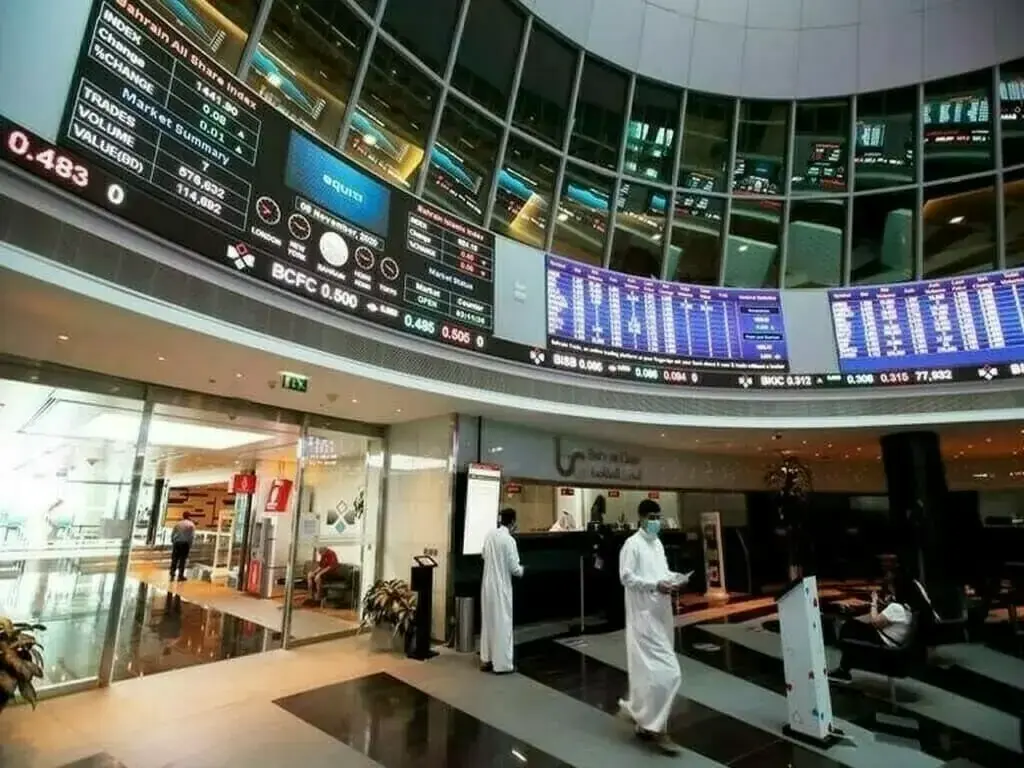
Most Gulf stock markets saw a rise on Monday, as concerns over energy disruptions eased and expectations of an immediate Federal Reserve rate hike softened, according to the wire material. Simultaneously, the ongoing Middle East war persisted. US job data cooling and payroll revisions sharply reduced the chances of a Fed rate hike this month, dropping from 64% to under 20%, as per the CME FedWatch tool.
However, traders still expect a December hike. Gulf markets typically mirror changes in US monetary policy expectations, as most regional currencies are pegged to the dollar. On Monday, Middle East crude exports exceeded pre-US-Iran war levels on four days in late September, shipping data revealed, despite ongoing vessel attacks in the Strait of Hormuz.
The release of oil stocks by the Group of Seven nations also boosted supplies. Dubai’s main share index climbed 0.1%, with Dubai Electricity and Water Authority rising 3.8%. In Abu Dhabi, the index increased 0.4%. The UAE's non-oil private sector experienced strong growth in September, thanks to firmer demand, which boosted businesses' pricing power and led to the largest increase in selling prices in over 15 years, as a survey released on Monday indicated.
The Qatari index rose 1.1%, driven by a 1.2% increase in the country's largest lender, Qatar National Bank. Market analyst Milad Azar of XTB MENA said most GCC equity markets remained resilient despite geopolitical uncertainty and stalled US-Iran negotiations, but pointed out that ongoing shipping disruptions in the Strait of Hormuz continue to weigh on investor sentiment as markets await concrete diplomatic progress.
Notably, Saudi Arabia's benchmark index fell 0.3%, driven by a 1.5% decline in Al Rajhi Bank. On Sunday, Saudi Arabia's government initiated a major military operation to reclaim all territory held by the Houthis in Yemen, who retaliated by firing missiles and drones at Saudi Aramco sites in Riyadh and Khurais, claiming the strikes caused major fires.
Written by urgent.news from Business Recorder's reporting — not their text. Machine-written — may contain errors; check the original before relying on it.