LOCAL ELECTIONS 2026: The ‘No Vote’ party: Why most South Africans might opt out
Ahead of the 4 November local government elections, data reveals that most eligible South African voters are opting out entirely. Driven by youth disillusionment, distrust and broken political promises, non-voters may eclipse many, and probably even all, registered parties at the polls.
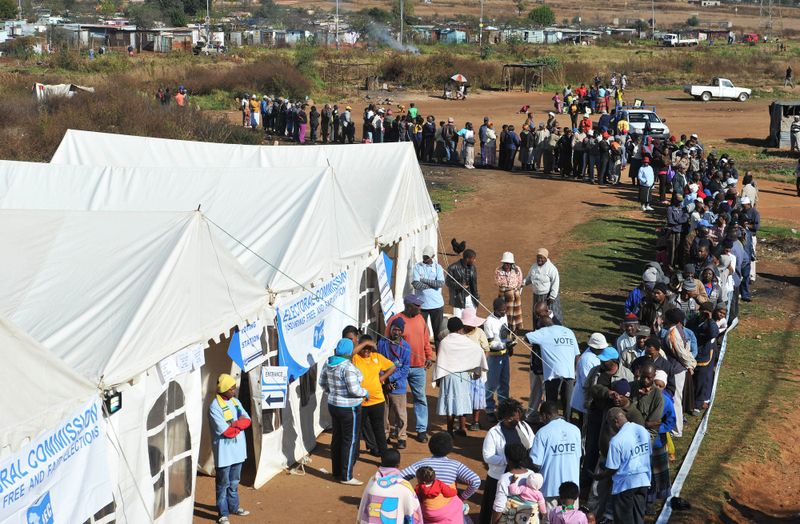
Ahead of South Africa's 4 November local government elections, data indicates that a substantial portion of eligible voters may abstain from casting their ballots. This trend is attributed to youth disillusionment, skepticism towards political promises, and broken commitments. With over 29 million people registered to vote as of the recent Electoral Commission of South Africa (IEC) drives, which surpasses the 26.8 million voters from the 2024 elections, the participation rate is estimated at 63.7%.
This figure represents only a fraction of the eligible voter population, with voter turnout declining from 89.3% in 1999 to a record low of 58.6% in 2024.
Professor Bruce Bartlett, from Stellenbosch University, determined that the voter-eligible population (VEP) for the 2024 elections ranged from 37.3 million to 40 million, resulting in approximately 42% of the entire population actually attending the polls. When compared to international standards, South Africa's voter turnout is notably low.
Brazil led with a 73% turnout in 2024, followed by France at 68% in 2022, and the US at 67% in 2020. The municipal elections typically exhibit even lower turnout, suggesting a potentially extreme decrease in 2026.
Youth disengagement is a significant factor driving this trend. IEC data reveals that only 27% of 18-19-year-olds and 49% of 20-29-year-olds were registered to vote in 2024, contrasted with over 80% among those aged 40 and older. This generational gap is primarily fueled by frustration and distrust in the political system. A Ipsos South Africa survey found that 47% of respondents felt no political party aligned with their views, while 38% had no interest in politics or elections. Additionally, 40% of youth aged 18-34 expressed a lack of trust in the IEC.
The dominance of the African National Congress (ANC) may also contribute to the low voter turnout. Dr Naledi Modise, a lecturer at North West University, found that one-party dominance has weakened accountability and voter engagement. "In South Africa, the dominance of a single party has shaped voter perceptions and contributed to declining engagement in the electoral process," she stated.
The declining turnout may reflect a growing distrust in the country's democratic institutions, as voters question the impact of their participation.
Written by urgent.news from Daily Maverick's reporting — not their text. Machine-written — may contain errors; check the original before relying on it.
This story
This is one outlet's version. Read the fullest account.