La banca ante un eventual cambio de Gobierno: ¿alivio fiscal a la vista?
El adelanto electoral abre el debate acerca del impacto que podría tener un cambio de Gobierno sobre el sector bancario doméstico. Leer
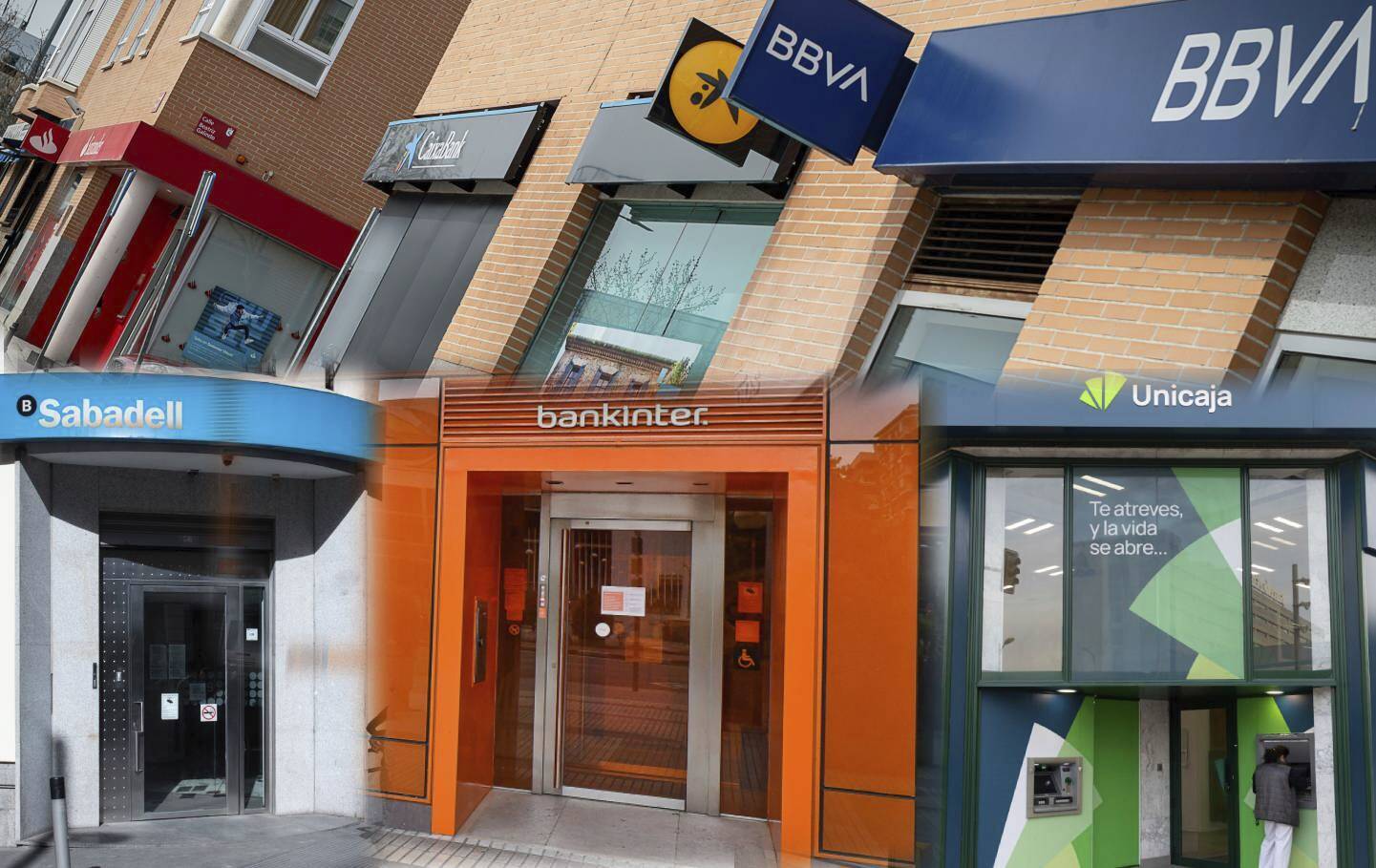
A looming government change raises questions about potential fiscal relief for Spain's banking sector. Sources consulted agree that a fiscal stimulus, spearheaded by the PP-Vox coalition, would create a more favorable environment for banks, potentially ending the four-year tax burden they have endured. The levy was introduced at the beginning of 2023, charging 4.8% on 2022 earnings due to the European Central Bank's (ECB) rapid interest rate hikes that generated extraordinary profits for banks.
In 2025, the government will reform the tax, applying a progressive tax rate of 1% to 7% based on income levels. CaixaBank incurred the highest cost, paying 611 million, followed by Santander (392 million), BBVA (295 million), and Sabadell (123 million). Removing the tax would benefit the group led by Tomas Muniesa the most. Patronage associations AEB and Ceca have long criticized the tax, claiming it has no place in EU countries and harms Spanish entities' competitiveness and the economy's overall health.
They also argue that the tax's continuation lacks technical justification since interest rates are no longer at 4.5% as of late 2023. Both the entities and patronage groups have taken legal action over the issue, which has been under litigation until the end of 2027. The future remains uncertain. According to Nuria Alvarez, Rent 4 analyst, a conservative government shift would be positive for the sector, which has suffered greatly in recent legislatures.
It would reduce regulatory risk and the chance of the tax's prolongation. Borja de Castro, Banco BiG analyst, agrees. If there's a government change, the banking sector would be the biggest beneficiary, especially because the tax can be withdrawn. The pressure on the sector would decrease, he adds. Regardless, apart from potential fiscal relief, Citi doesn't expect significant short-term benefits for banks.
The industry has been enjoying record profits for over four years due to the rate environment and strong credit activity momentum. According to Alvarez, the financial sector is well-positioned to continue performing well in the stock market, though she warns that current market dynamics already capture most of the positive effects of the current scenario.
Furthermore, she believes that due to persistent uncertainty, executives will be more cautious in their statements during the third-quarter earnings presentation. Elections coincide with the CNMC's investigation into the six listed banks over public statements on future commercial policy related to fixed-term mortgage rates. The investigation's basis, opened in mid-June, is that such declarations may have allowed entities to anticipate competitors' future behavior and could be considered a breach of Article 1 of the Competition Defense Law and Article 101 of the European Union Treaty.
No specific resolution deadlines exist for the investigation, which surprised financial entities. Banks argue they base their strategic decisions on their competitors' business, not public statements, and remind that Spain's mortgage loan prices are very competitive, below the EU average.
Written by urgent.news from Expansion ES's reporting — not their text. Machine-written — may contain errors; check the original before relying on it.