Künstliche Intelligenz: So verschaffen sich Führungskräfte im mittleren Management einen Wettbewerbsvorteil
Je höher der Posten, desto größer die Erwartung an KI-Kompetenz. Ein Top-Headhunter verrät exklusiv, mit welchen Fragen er sie prüft – und wann er Bewerber sofort aussortiert.
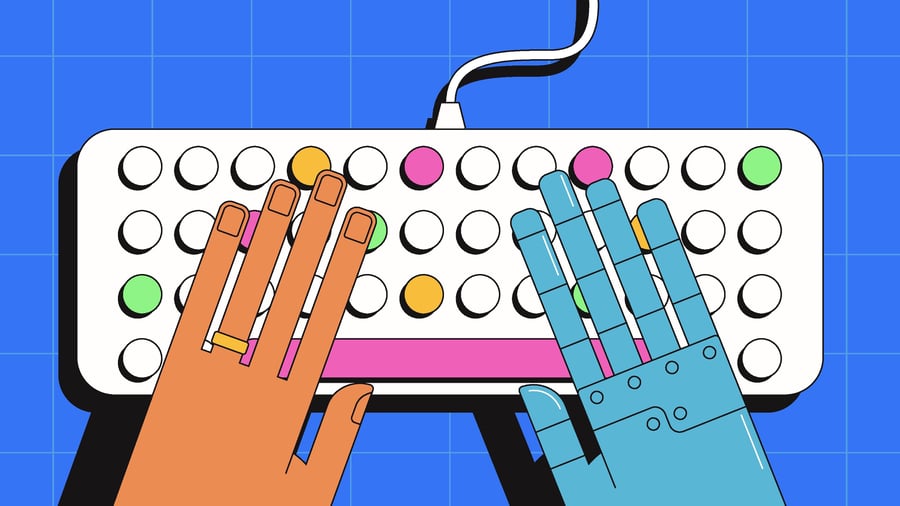
Artificial Intelligence (AI) is increasingly impacting middle management, posing a threat to their positions. According to the Federal Employment Agency, the number of unemployed managers increased by 14.3 percent in 2025 compared to the previous year. This is because AI can already perform certain managerial tasks such as resource planning, calculations, and cost control.
The "Job-Futuromat" of the Institute for Employment and Vocational Research (IAB) estimates that up to 67 percent of managerial tasks can be replaced by algorithms. The middle management is particularly vulnerable. To stand out in the job market, aspiring leaders must demonstrate their ability to think differently about their business model, make better decisions, and take responsibility, especially in areas where AI is limited.
Headhunter Bernhard Stieger uses a set of questions to differentiate genuine AI competence from mere claims during job interviews. Martina van Hettinga, co-chief of recruitment firm I-Potentials, emphasizes that assessing judgment remains crucial despite AI advancements, as it is becoming a key leadership competency. However, a single questionnaire cannot be the sole determinant of a candidate's potential.
Instead, Stieger advises candidates to focus on strategic thinking, learning agility, and responsible integration of technology, rather than technical expertise in AI.
Written by urgent.news from Handelsblatt's reporting — not their text. Machine-written — may contain errors; check the original before relying on it.