Intel's Googlebooks might not run some Android apps as well as Qualcomm's
Some Android apps not optimized for x86-64 may have trouble running on Intel Googlebooks.
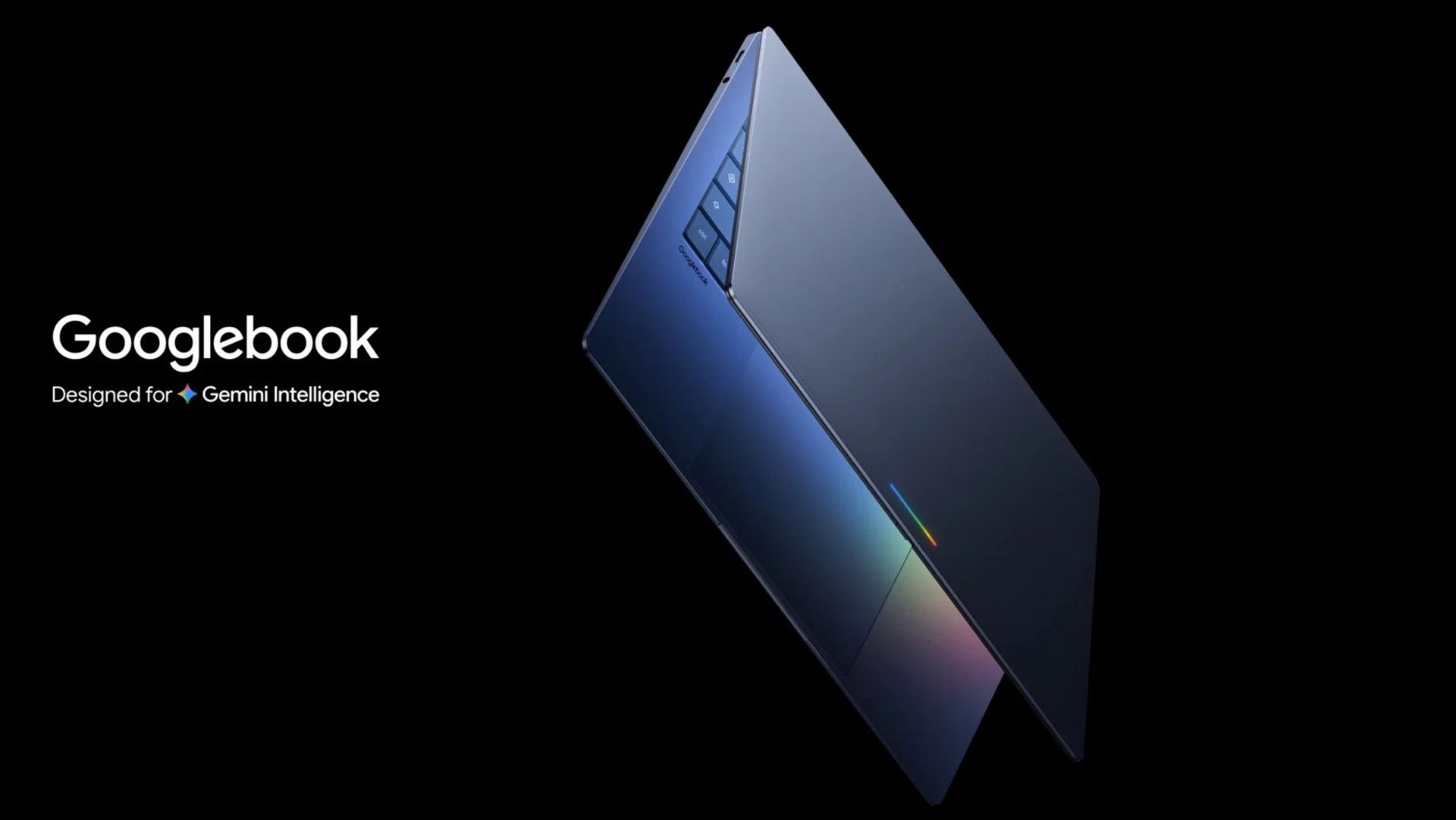
Google revealed five new laptops last Sunday, set to launch on the same day. These Googlebooks are designed to natively run Android apps. However, the tech giant admitted in a statement to Android Authority that not all applications might perform optimally on systems equipped with Intel processors versus those with Qualcomm chips.
Most Android applications operate seamlessly over both Intel and Qualcomm Googlebooks without any issues. This is due to the majority of Android apps being originally crafted for Arm chips. A limited number of complex apps or games may require developer adjustments to run at their peak performance on Intel-based platforms. Google is collaborating with app developers, Intel, and Qualcomm to constantly enhance performance and broaden compatibility across all Googlebook models.
The specific apps that might face problems on Intel-based systems have not been disclosed by Google. The Googlebooks featuring Intel processors include the Asus Googlebook 14, Lenovo Googlebook 15, and Acer Googlebook 14. Conversely, the Dell XPS Googlebook and HP Googlebook 14 utilize Qualcomm's Snapdragon X Elite chips. Given the extensive use of Kotlin and Java in Android development, the vast majority of Android applications will function smoothly on Intel-powered Googlebooks due to their architecture-agnostic libraries and SDKs.
However, some applications rely on native components exclusively compiled for ARM64 without x86-64 versions. Intel Bridge and Android's Native Bridge can translate ARM64 code for x86 compatibility, but unless developers specifically consider x86 compatibility, these apps might encounter issues. All Googlebook applications will originate from Google's Play Store, which includes a combination of optimized and unoptimized apps.
Users cannot download applications from the web unless redirected to Google Play. Google aims to compete with Apple by providing a comprehensive Android ecosystem experience from smartphone to laptop, much like the seamless transition Apple offers between their laptops and phones. While the Googlebooks range in price from $899 to $1,299, which is a significant difference from the MacBook Neo's $699-$799 price point, they offer more RAM options (16GB or 32GB) compared to the MacBook Neo.
Storage capacity is limited, with only 256GB or 512GB available on each device. However, each Googlebook comes with 12 months of Google AI Pro, which provides 5TB of cloud storage, currently valued at $249.99.
Written by urgent.news from Tom's Hardware's reporting — not their text. Machine-written — may contain errors; check the original before relying on it.
Also reported by 4 other outlets
- Google admits not every Android app runs great on Intel Googlebooks theverge.com
- Googlebooks with Intel chipsets might have trouble with ‘complex’ Android apps 9to5google.com
- This iOS calendar app is side-stepping Android to embrace Googlebooks androidauthority.com
- Google warns that some Android apps won't run well on Intel Googlebooks at launch xda-developers.com