Ingen slipper unna
Uvanlige temperaturer i Stillehavet kan få følger helt inn på Oslo Børs og i norske lommebøker.
The upcoming super-El Niño season is expected to have far-reaching consequences across various sectors, with shipping, agriculture, finance, and industry among those most affected. The El Niño phenomenon, characterized by unusually warm waters in the Pacific Ocean, triggers changes in atmospheric circulation patterns, leading to climate anomalies across the globe.
The National Oceanic and Atmospheric Administration (NOAA) predicts a 90% chance of a super-El Niño during the upcoming winter, with experts expressing concern that it may be the strongest in recorded history. The 2023 study by researchers at Science suggests that past super-El Niño events have cost the world economy an estimated $5.7 trillion.
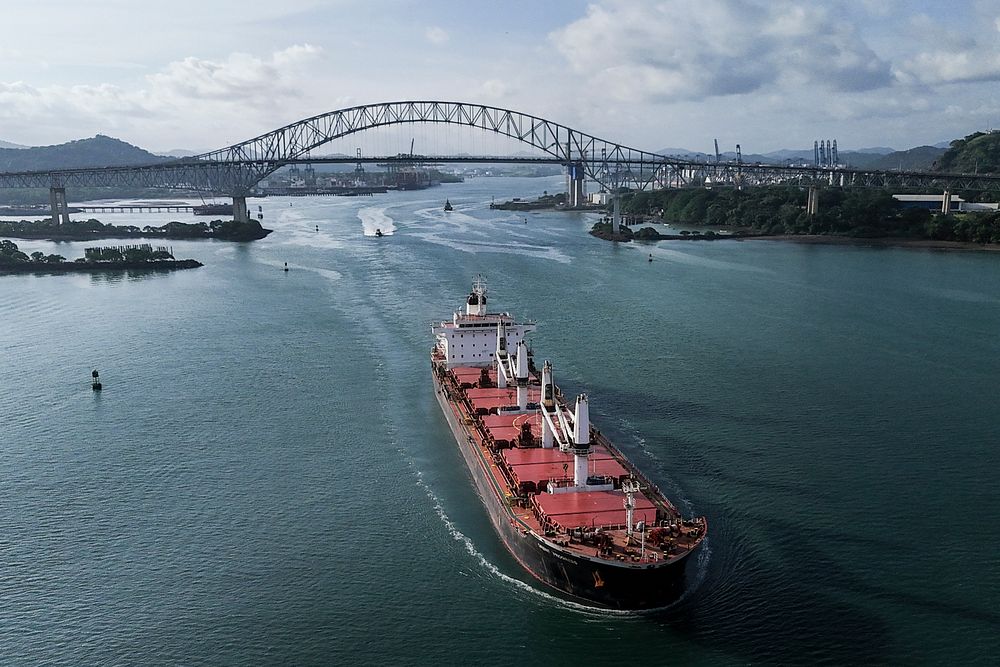
The super-El Niño is projected to exacerbate economic challenges in several regions, potentially reducing global economic growth. In Peru, fishing restrictions have been implemented due to unusually warm waters, causing skyrocketing seafood prices. Similarly, Panama has limited the use of the Panama Canal due to increased water consumption.
This leads to longer shipping routes, reduced market availability, and higher prices. While El Niño typically provides some relief from hurricane seasons in the Atlantic, an extremely strong event can still impact insurance industries. In Brazil and Indonesia, authorities are preparing for droughts, water scarcity, and wildfires.
The Philippines has activated an El Niño task force. Despite the potential for severe economic consequences, previous super-El Niño events have not resulted in global crises. This year's event occurs amidst a backdrop of global warming, and experts warn that the combined effects could be even more damaging. The World Meteorological Organization (WMO) notes that the upcoming super-El Niño could further weaken economic growth in Latin American countries.
Morgan Stanley warns that sugar and copper prices may be particularly affected. The increased demand for agricultural commodities due to adverse weather conditions may lead to higher prices for agricultural products, impacting economies in Argentina and southern Brazil. For other sectors, companies purchasing commodities affected by the event will face higher costs.
The Norges Bank has highlighted the weather phenomenon in its latest monetary policy report, published in late September, noting that previous price increases for fishmeal, coffee, cocoa, and sugar could be temporary if the El Niño weakens as anticipated.
Written by urgent.news from E24 Norway's reporting — not their text. Machine-written — may contain errors; check the original before relying on it.