Indians favour two-wheelers, but buses and trains dominate overnight travel: NSO survey
First national travel survey maps how Indians move for work, education and longer journeys.
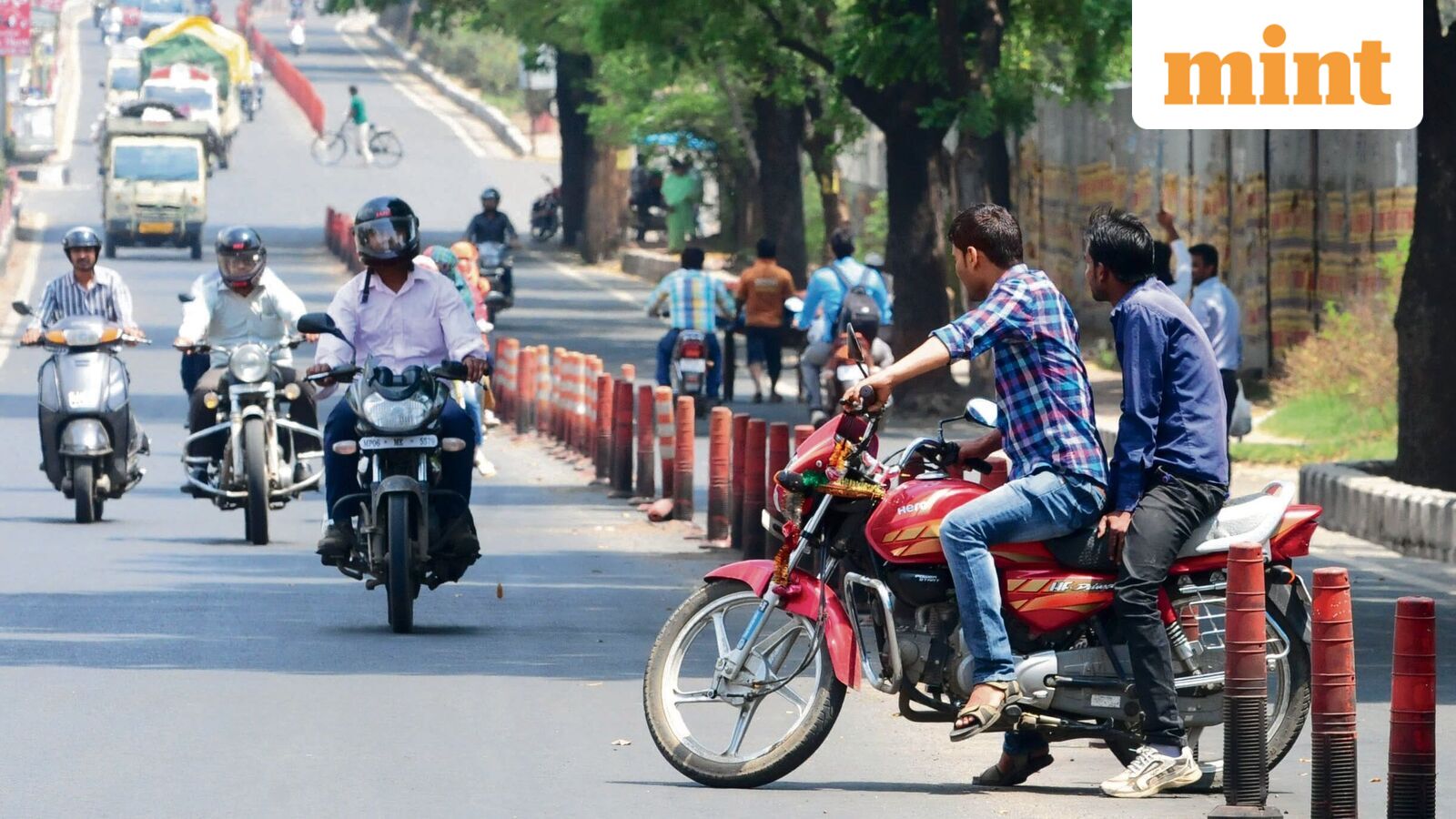
New Delhi: Private two-wheelers remain the primary mode of transport for Indians commuting to work, accounting for 42.6% of workers traveling to fixed workplaces. In contrast, buses dominate longer overnight journeys, comprising 55.8% of such trips, while inter-city railways account for another 17.7%, together making up 73.5% of overnight household travel.
Conducted between July 2025 and June 2026, the National Household Travel Survey (NHTS) offers a comprehensive nationwide perspective on Indian travel habits, informing transport planning and infrastructure development. Covering 14,274 villages and 10,377 urban areas, the survey gathered data from 492,023 households and 2.03 million individuals across the country.
The survey defines travel as any journey of at least one kilometer, excluding shorter trips. Public transport plays a more significant role in overnight travel, with buses used in 55.8% of overnight journeys and inter-city railways in 17.7%. Car usage stands at 15.1%, and two-wheelers at 8.8%. Rail travel is notably higher among urban households, with 22.7% of overnight journeys by urbanites taken by train, compared to 14% among rural households.
Overnight travel remains primarily driven by social, communication, and religious needs rather than tourism, with social activities accounting for 70.2% of overnight trips, followed by tourism at 7.4%. Social and communication purposes make up the largest portion of travel for students and workers. Travel times for most students and workers are relatively short, with 87.6% of students and 83.4% of workers reaching their destinations within 30 minutes.
However, commuting represents a recurring household expense, with an average monthly travel cost of ₹785 for workers, higher in urban areas at ₹1,044 and lower in rural areas at ₹612. Students spend an average of ₹443 monthly commuting to educational institutions, with urban students spending more at ₹617 compared to rural students at ₹361.
The gender gap in work-related travel expenditure is evident, with male workers spending an average of ₹835 a month commuting to fixed workplaces, while female workers spend ₹533. The National Household Travel Survey aims to identify gaps in existing transport systems, assess accessibility, optimize routes, and improve service frequency and scheduling.
The data will also support regional transport planning and infrastructure investment by providing a more detailed understanding of travel patterns, timing, and motivations.
Written by urgent.news from Live Mint's reporting — not their text. Machine-written — may contain errors; check the original before relying on it.