How ballroom dance can help us avoid a dystopian future
Dystopian narratives about AI abound. Will the bots take over? Are we doomed as a human species? While I do not have a utopian outlook about our tech-saturated future, I do wonder what we could start doing today, in our present state, to course-correct these calamitous narratives. So, earlier this year I began conducting an informal thought experiment with approximately 50 people. I asked them to…
The dystopian future often depicted in AI narratives has prompted a thought experiment. Participants were asked to envision a world where AI has taken over, and then identify a mindset shift, behavioral change, and work process modification to prevent such a future. The responses were encouraging, with people emphasizing the importance of transparency and agency in designing ethically responsible AI.
There was a consensus that work should include more pauses and deep thought, and that friction – rather than elimination – should be incorporated into processes. The idea of "embodied learning" was also highlighted, suggesting that we should maintain a balance between AI output and human consciousness. Additionally, the concept of "sentient intelligence" was introduced, which refers to the human ability to sense and understand the world, and is highly effective when we take moments to pause and ask questions.
This intelligence is what sets us apart from AI and can help prevent a dystopian future. Another perspective presented was that of "relational intelligence" – the capability of AI to understand relationships and build connections. Examples of this can be seen in AI systems that can recall past interactions and follow up with users weeks later.
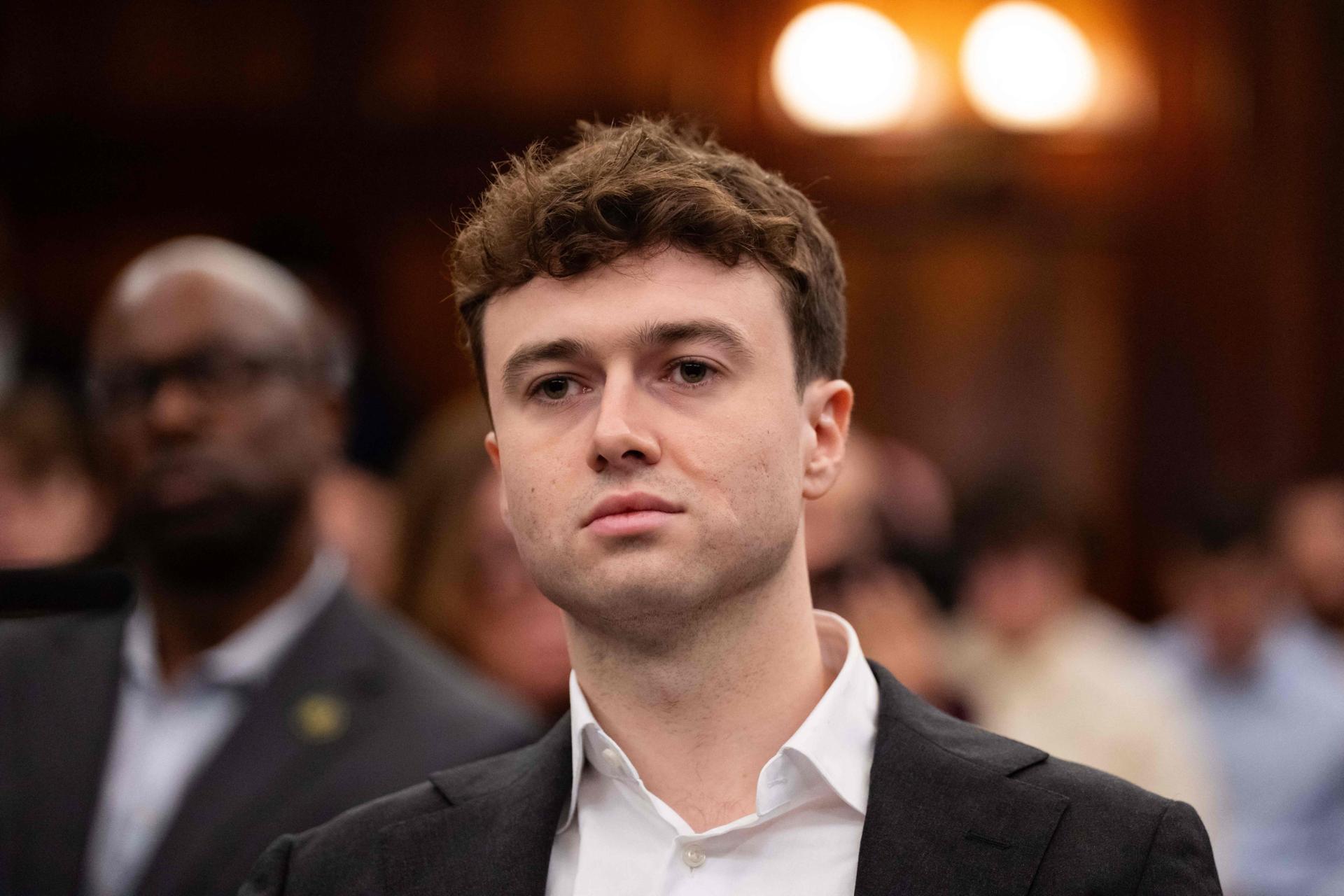
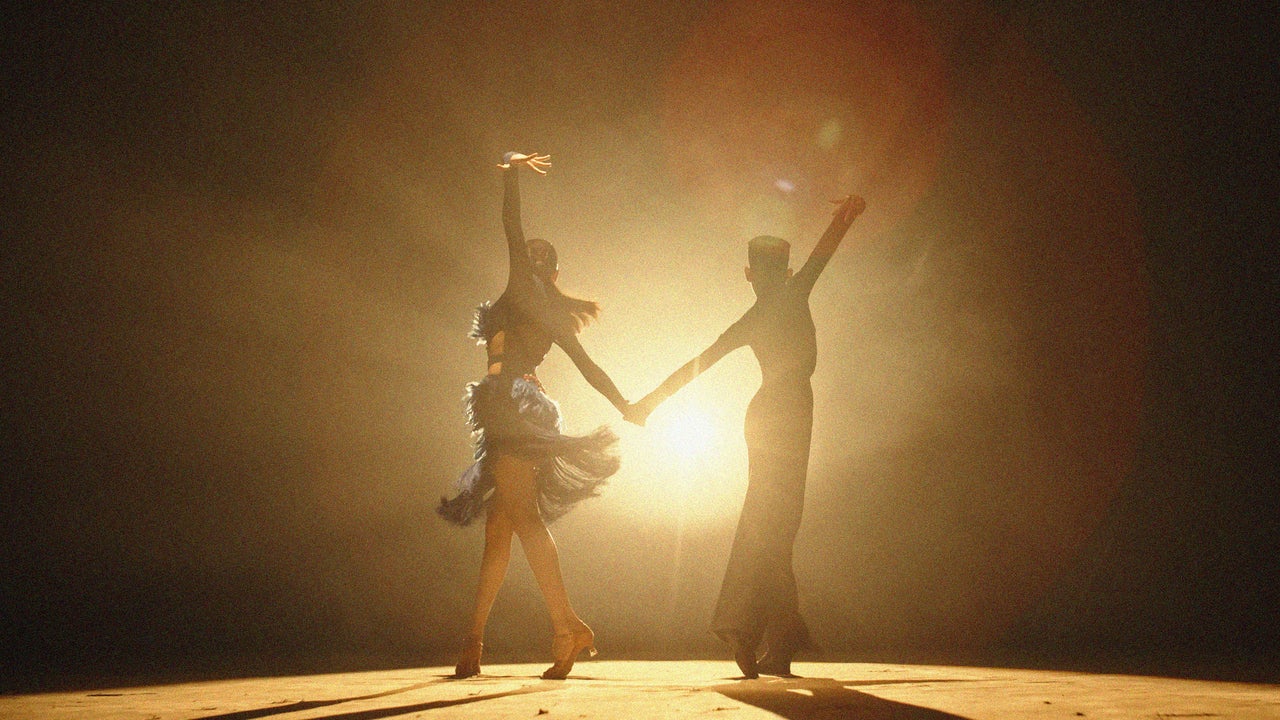
Sean White, founder of Inflection AI, believes that AI like his can exhibit relational intelligence, which could contribute towards a more positive outcome. The article further connects this idea to the world of ballroom dance, where dancers constantly switch between relational design and intelligence. The ballroom dance floor serves as a metaphor for how AI like Inflection AI could act as a "situational choreographer" to enhance human connection and prevent a dystopian future driven by AI.
Written by urgent.news from Fast Company's reporting — not their text. Machine-written — may contain errors; check the original before relying on it.