Housing and Local Government ministries mark World Habitat Day 2026
Despite ongoing efforts to address the housing deficit, many Ghanaians continue to face barriers to homeownership and decent accommodation due to high land prices, rising construction and infrastructure costs, and limited access to affordable housing finance.
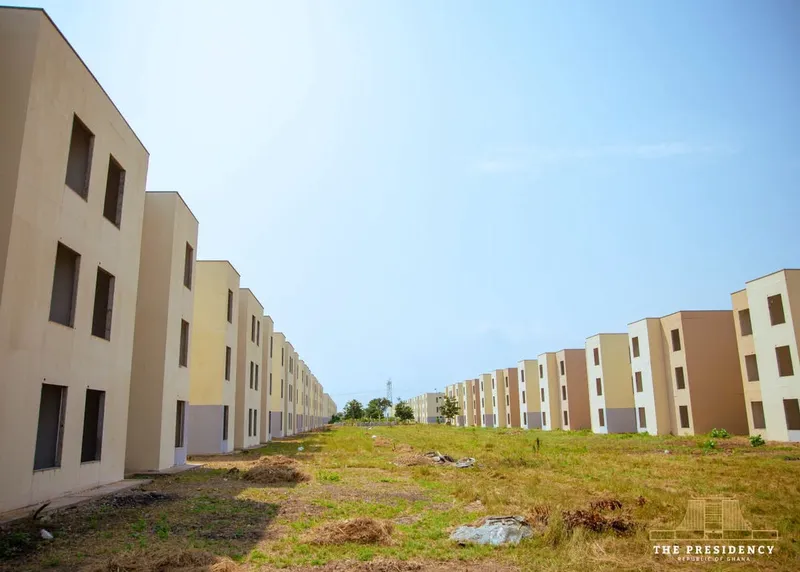
The Government of Ghana commemorated World Habitat Day 2026, emphasizing "Adequate Housing for All." The theme underscores the critical importance of providing every citizen with safe, affordable, and inclusive housing. Ghana's commitment to this goal is evident in its ongoing efforts to address the housing deficit, which affects millions of citizens.
Despite initiatives, many Ghanaians still struggle to secure housing due to high land prices, rising construction costs, and limited access to affordable housing finance. According to the Ghana Statistical Service, only 5% of Ghanaians can obtain housing without assistance, while 60% require state-facilitated support and 30% remain unassisted.
To tackle these challenges, the government is implementing policies and programs to improve housing affordability, expand access to housing finance, and decentralize housing delivery across the country. By partnering with private developers, the government facilitates access to land, basic infrastructure, and private sector investment.
The National Mortgage Scheme, in collaboration with the National Housing Fund and Republic Bank, offers mortgage financing at a rate of 8.4% per annum and repayment periods of up to twenty years. Additionally, the government is implementing decentralization programs like the Greenville District Housing Programme and the National Rental Assistance Scheme to enhance housing accessibility beyond urban centers.
The government also prioritizes inclusive housing delivery, including provisions for Persons with Disabilities (PWDs). Ground-floor units in new developments are reserved for PWDs, and planning processes incorporate accessibility considerations. The National Urban Policy and Implementation Plan (2026-2035) and the National Slum Upgrading and Prevention Strategy (2026-2035) aim to address urban development challenges by increasing access to affordable housing, expanding housing opportunities in slums, and promoting sustainable urbanization.
These policies also focus on improving essential infrastructure and services, such as water, sanitation, roads, electricity, and public spaces, to create resilient and healthy communities.
Written by urgent.news from 3News's reporting — not their text. Machine-written — may contain errors; check the original before relying on it.