Ghana Institute of Architects urges government to adopt coordinated agenda for affordable housing
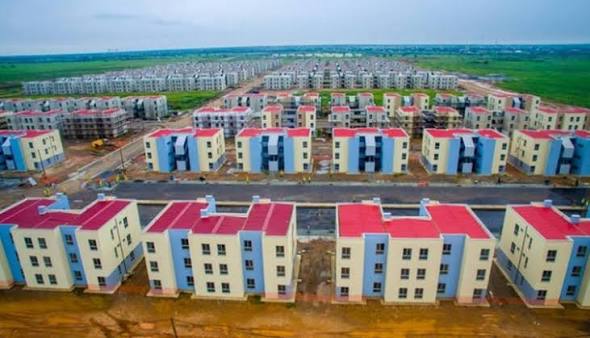
The Ghana Institute of Architects (GIA) is calling for a coordinated national housing agenda backed by clear targets, sustainable funding and stronger institutional accountability to improve access to safe and affordable housing. The Institute says Ghana’s housing challenge cannot be addressed through homeownership alone and is urging the government to expand affordable rental housing, support […]

The Ghana Institute of Architects (GIA) is urging the government to adopt a comprehensive housing strategy that includes measurable targets, stable funding and better oversight. The Institute argues that focusing solely on homeownership is insufficient to tackle Ghana's housing crisis and advocates for a broader approach that expands affordable rental housing, supports incremental construction, and provides starter homes for low-income residents.
In a statement marking World Architecture Day 2026, the GIA called for a review of the 2015 National Housing Policy to better align it with the National Urban Policy and Implementation Plan. The Institute wants the revised policy to include clear housing goals, define the roles of various institutions, create sustainable funding methods, and mandate regular public reporting on progress.
The GIA also proposed an inclusionary housing framework that would require new residential developments to allocate a certain percentage of affordable units or contribute in another approved way. This requirement should be established through consultation and feasibility studies, with clear eligibility and affordability criteria, as well as safeguards to ensure these units remain accessible over time.
The Institute stressed the need to prioritize upgrading informal settlements, focusing on improving water and sanitation, drainage, access roads, fire safety, and overall housing conditions. Residents should be actively involved in the process, with in-situ improvements preferred where feasible and safe.
In addition to these measures, the GIA called for increased affordable rental options, starter homes, structured rent-to-own schemes, and employer-assisted housing for low-income individuals and young people. The Institute also emphasized the importance of enforcing existing tenancy protections and completing rent-law reforms through proper legislative action.
To improve housing delivery, the GIA stressed the importance of linking housing development to technical and vocational education and training to build a skilled workforce of artisans, improve certification processes, and promote the use of appropriate local building materials. The Institute stressed that efforts to make housing affordable should not compromise on structural integrity, fire safety, sanitation, accessibility, or compliance with building standards.
"The right to adequate housing must translate into funded programmes, accountable institutions and safe, affordable homes," the Institute concluded.
Written by urgent.news from MyJoyOnline Ghana's reporting — not their text. Machine-written — may contain errors; check the original before relying on it.
This story
This is one outlet's version. Read the fullest account.