German duo, US scientist win Nobel Medicine Prize for brain research
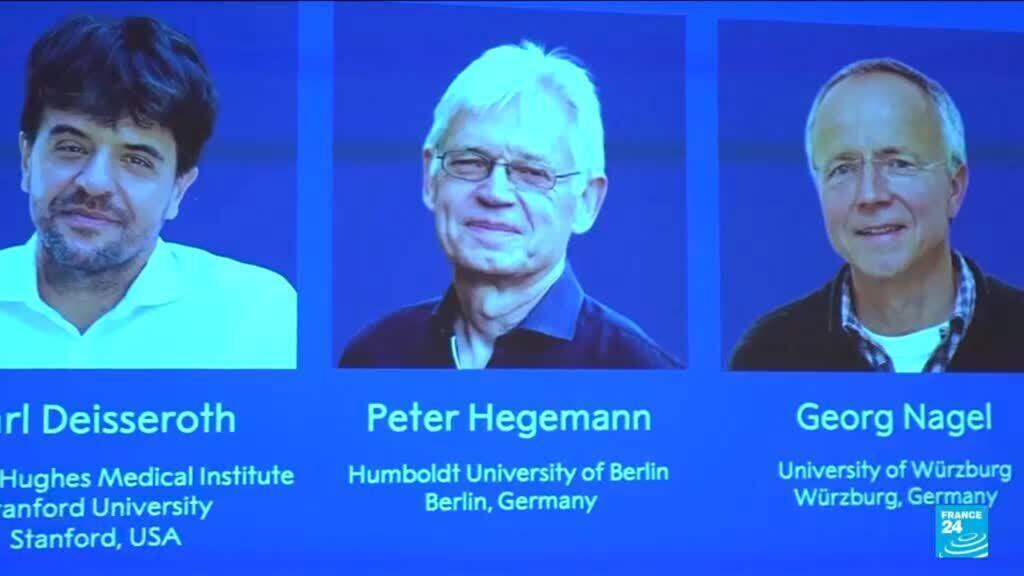
dpaStockholm The Nobel Prize in Physiology or Medicine has been awarded to German duo Peter Hegemann and Georg Nagel and US scientist Karl Deisseroth for their discoveries in the f...
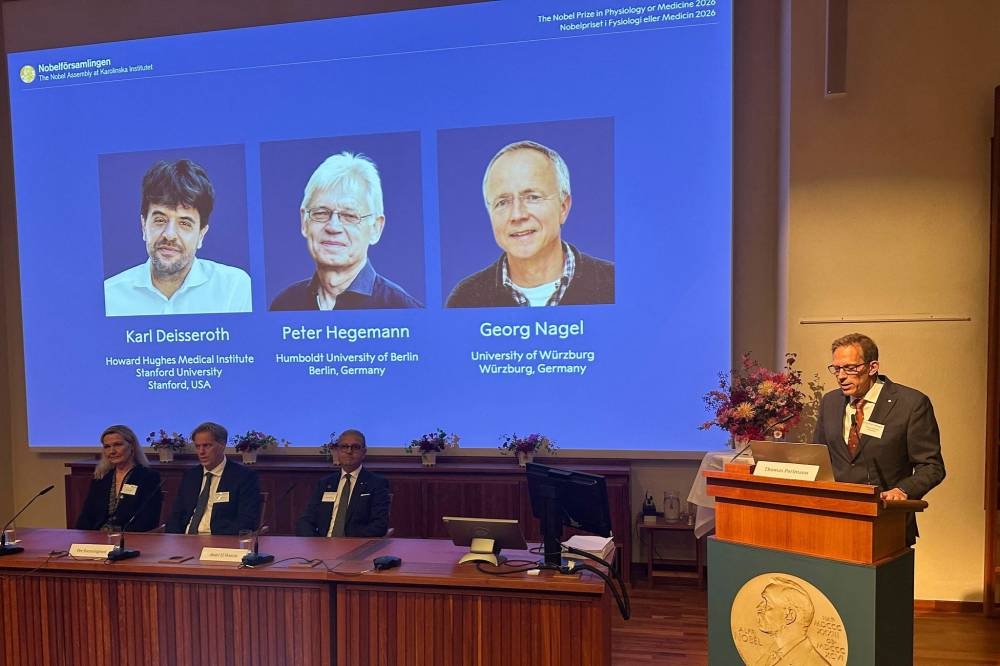
The Nobel Prize in Physiology or Medicine for 2026 has been awarded to a German research duo, Peter Hegemann and Georg Nagel, as well as US scientist Karl Deisseroth, for their groundbreaking discoveries in the field of optogenetics. The Nobel Assembly at the Karolinska Institute in Stockholm declared this prestigious award on Monday, recognizing the profound impact their work has had on the neuroscience field.
Optogenetics is a pioneering method that enables researchers to observe how nerve cells influence memories, emotions, and behaviors in living brains. According to the institute, the laureates have laid the groundwork for a new era in neuroscience. The prize money, recently increased to 12 million Swedish kronor (€1.07 million) to mark the 125th anniversary of the awards, was presented to Hegemann from Humboldt University in Berlin, Nagel from the University of Würzburg, and Deisseroth from Stanford University and the Howard Hughes Medical Institute.
The Nobel Committee for Physiology or Medicine highlighted the significance of optogenetics in mapping the brain in ways previously deemed impossible. The groundbreaking work of Hegemann and Nagel led to the discovery of channelrhodopsin, a protein in a single-celled alga. Deisseroth then transformed this protein into a light-controlled switch for nerve cells.
This innovative technology has rapidly gained global recognition, allowing scientists to unravel neural circuits governing specific memories, feelings, and behaviors tied to neurological and psychiatric disorders, as well as providing potential clinical applications, such as restoring sight in people with visual impairments.
Karl Deisseroth expressed his astonishment and immense honor upon receiving the call from Stockholm, while Hegemann noted that his initial research on green algae received little interest. The laureates' contributions have undeniably shed light on one of humanity's greatest mysteries: the intricacies of the human brain.
Written by urgent.news from Qatar Tribune's reporting — not their text. Machine-written — may contain errors; check the original before relying on it.