Geld: Der Millionenerbe, der die Millionen nicht will
Kai Viehof hat den Großteil seines Erbes ausgeschlagen, auch vom Rest will der Enkel des Allkauf-Gründers das meiste weggeben. Über einen Mann, dessen Beruf es ist, sinnvoll Geld loszuwerden.
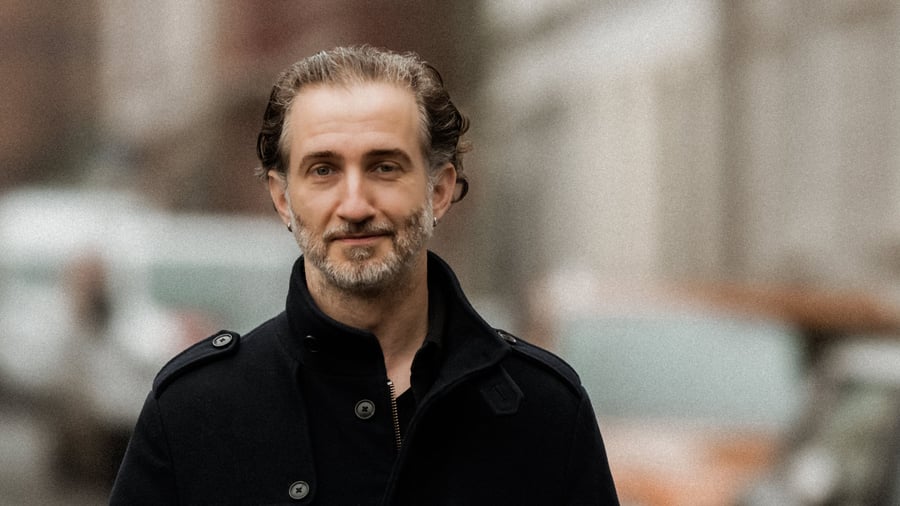
Kai Viehof, a 44-year-old self-made millionaire, is breaking the stereotype of a typical billionaire. He appeared in the ARD talk show "Hart but fair" discussing inheritance, appearing more reserved than his fellow entrepreneurs. His grandfather built the "Allkauf" chain in the 1960s, which he sold to Metro AG for about one billion marks in 1998.
However, Viehof declined his share in the inheritance. At 44, he is a new face among millionaires who prefer to distribute their wealth rather than accumulate it. This group includes Sebastian Klein, the author of "Toxic Wealth" and co-founder of the Blinkist app, and Marlene Engelhorn, a descendant of BASF's founding family. Over half of Germany's private wealth comes from inheritance or gifts, according to the German Institute for Economic Research.
Only the USA and China have more ultra-rich individuals, defined as those with over $100 million in assets. This accounts for 27% of Germany's financial wealth. Viehof has decided to speak publicly about wealth distribution, rejecting the notion that the debate on equitable distribution is merely a "jealousy debate." Instead, he views it as a central issue that everyone in the system should address.
He has chosen an unusual step by deciding to donate or invest seven-eighths of the medium-sized million-dollar inheritance he received, rather than accepting it. Viehof, who once learned about tax consulting, now focuses on spending money meaningfully before it's gone. The reason behind his decision to give away so much wealth is rooted in his experience growing up.
At 17, when his family sold the company, he decided he would donate his inheritance later. However, he kept his decision a secret from his family at first due to an internal conflict. In his youth, he had considered entering the field of development aid, recognizing that wealth and poverty are two sides of the same coin. His father, like his grandfather Eugen, had given him stocks and other assets worth a medium-sized million when the company was sold.
Viehof acknowledges that he was unaware of the full implications of his decision at the time. His current dilemma is whether he would reject the inheritance today. While he could potentially use the money for other purposes, he feels a split within him. Despite this, he emphasizes that he can use the money for good causes. Recently, he has faced another contradiction.
At around 30, he received another medium-sized million-dollar inheritance, the actual estate. However, he decided to reject it. Viehof is aware that this is a luxury problem, but he feels that society is not free to do what it wants with money, whether legally or morally. He also acknowledges the responsibility to pass wealth on to future generations, remembering his family's concerns about their children possibly starving.
This is a serious issue in dynasties, as wealth is passed down through blood relations. Viehof realized he would always have a business relationship with his family, which he did not want, not with his father nor his future children. Moreover, he struggled with the idea of inheriting such a substantial sum without earning it. A fine line, he acknowledges, as he did not want to be the cause of family division.
After discussing with his father, who was not enthusiastic about his son's decision, they agreed. The large inheritance Viehof was entitled to went to a charitable foundation, managed by his father. However, Viehof retains a medium-sized million-dollar share, which he can freely allocate between himself and his two children, serving as a buffer.
He has not calculated how long this wealth will last, but if he were to pass away, he plans to seek employment. While he faces criticism for this choice, Viehof insists it is a democratic act. He aims to focus on the remaining seven-eighths of the wealth, donating them to businesses that prioritize societal impact over profit. His primary focus is on democracy.
Written by urgent.news from Handelsblatt's reporting — not their text. Machine-written — may contain errors; check the original before relying on it.