From the rent crisis to Trump: 5 things that will shape Spain’s snap election
Shifting attitudes toward the far right, fallout from the Ceuta crisis and the U.S. president's geopolitical maneuvers could have a major impact on the Nov. 29 vote.
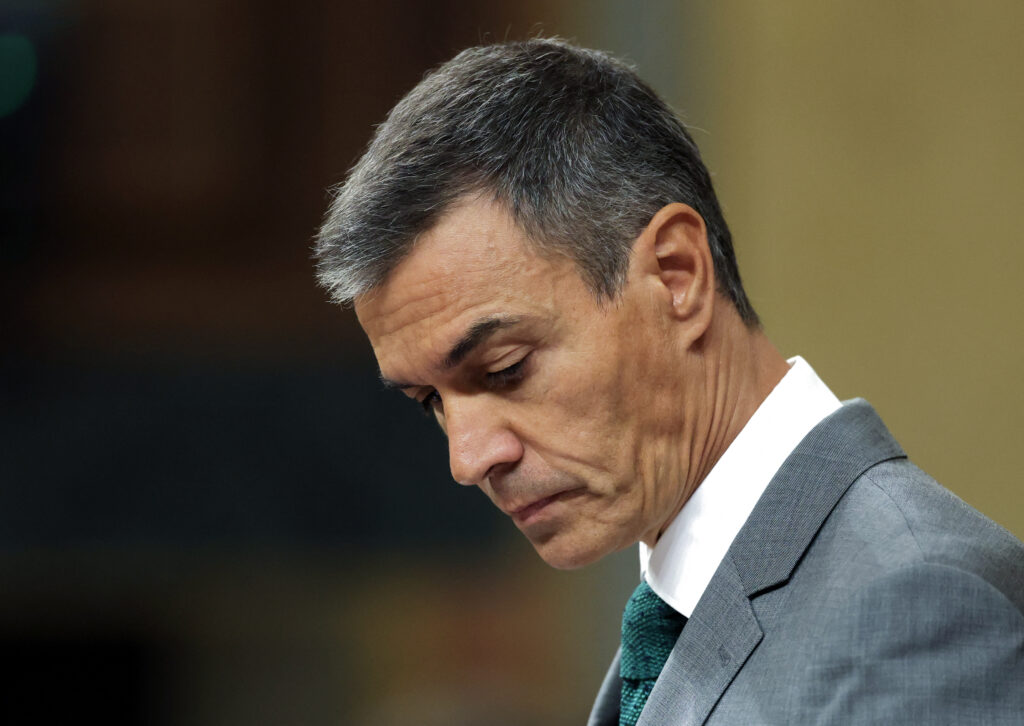
Spaniards will vote in a snap election on November 29 to determine whether Prime Minister Pedro Sánchez should retain his eight-year tenure or step down for a right-wing administration that could include the far-right Vox party. The immediate cause of the election is nationwide housing protests, but Spain's political extremes, the unresolved migrant crisis in Ceuta, and geopolitics under the Trump administration will also influence the race.
Polls show the People's Party (PP) leading with around 34% support, followed by Sánchez's Socialists at 26%. The PP is willing to govern with Vox, which stands at approximately 18% support. Sánchez's chances of reelection hinge on forming a parliamentary majority similar to his last success, but that option seems unlikely due to the collapse of the left-wing coalition.
The new "Broad Front" alliance, led by Health Minister Mónica García, will attempt to forge a left-wing alliance with Podemos and prominent figures like housing activist Ada Colau.
Vox has evolved from a fringe group into a major political force, successfully partnering with the PP on local and regional levels. They have influenced migration policies, denounced European Commission policies, and rolled back LGBTQ+ protections. Although the PP can form a government with Vox, doing so may turn off moderate voters. Additionally, unresolved issues like the Ceuta migration crisis and corruption cases involving Sánchez's inner circle could significantly impact the election.
Written by urgent.news from Politico EU's reporting — not their text. Machine-written — may contain errors; check the original before relying on it.