Food prices may rise soon as diesel ‘shock’ bleeds through economy: report
Canadians could wind up with a bigger grocery bill in the coming months as a major price "shock" for diesel and crude oil works its way through supply chains, Scotiabank says.
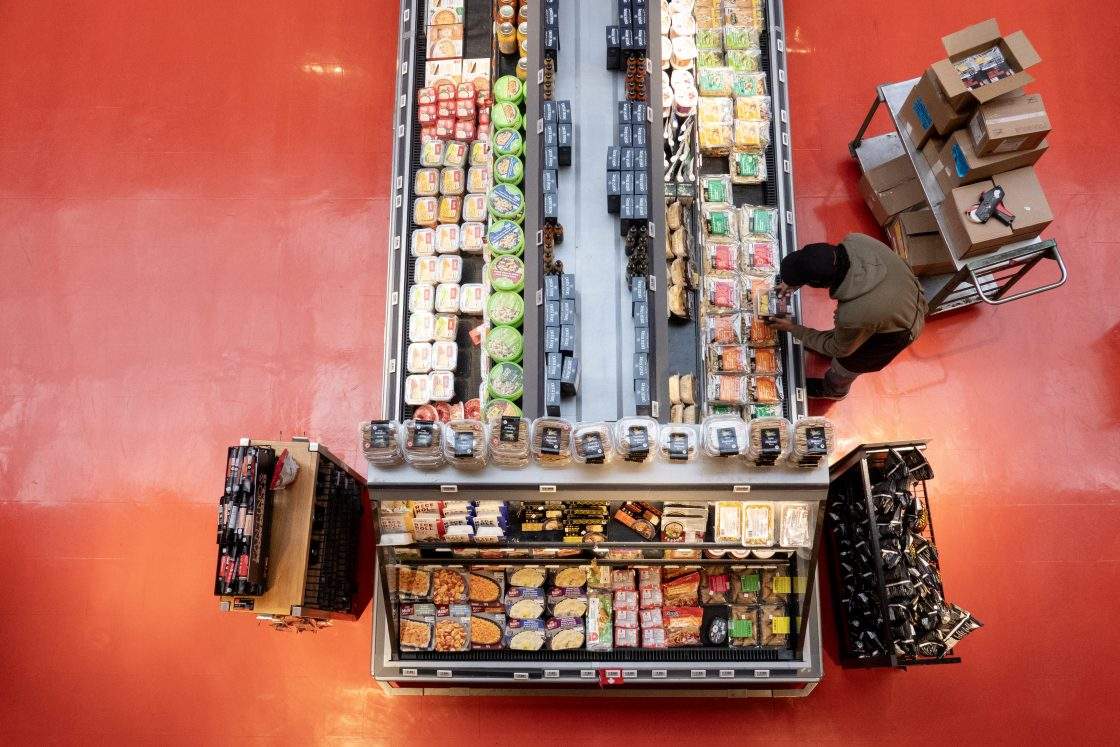
As the impact of the Iran war and Russia's conflict with Ukraine reverberates through global supply chains, Canadians may soon face higher grocery bills, according to a Scotiabank report. The war has caused a significant diesel and crude oil price surge, which is expected to lead to broader inflation, driving up costs of everyday items.
Olivier Gervais, a Scotiabank modelling and forecasting director, explained that diesel prices have risen beyond what the increase in crude oil would typically suggest, adding an additional layer of inflation pressure. Gervais noted that diesel, a vital fuel for various sectors, including logistics, agriculture, construction, and manufacturing, has a wide-reaching effect.
As a result, higher diesel costs are likely to filter through supply chains and eventually impact consumer prices. Although businesses may absorb some of the increased costs, they often pass those expenses onto consumers. The ripple effect of these price shocks can take 12-18 months to manifest in consumer prices, particularly for shelter and food.
The Iran war, which began in February 2024, and the Russia-Ukraine conflict, ongoing since 2022, mean that Canadians could begin experiencing the financial strain around March 2026. Central banks, including the Bank of Canada, are closely monitoring the situation, as elevated diesel and oil prices could lead to broader inflationary pressures and potentially prompt more aggressive monetary policy responses.
The Bank of Canada's inflation target is between 1% and 3%, and while consumer inflation has remained steady at 3% in recent months, any sustained increase could force the bank to raise interest rates more aggressively.
Written by urgent.news from Global News's reporting — not their text. Machine-written — may contain errors; check the original before relying on it.