Flydubai hijacking attempt exposes worrying gaps in aviation security
The quick-thinking actions of the captain of last week’s Flydubai flight bound for Israel prevented what could have been an unmitigated hijacking disaster. But aviation safety experts say the incident raises serious concerns about the security failures before the flight and how it happened in the first place. The suspected attacker, named as co-pilot Hamam … The post Flydubai hijacking attempt…
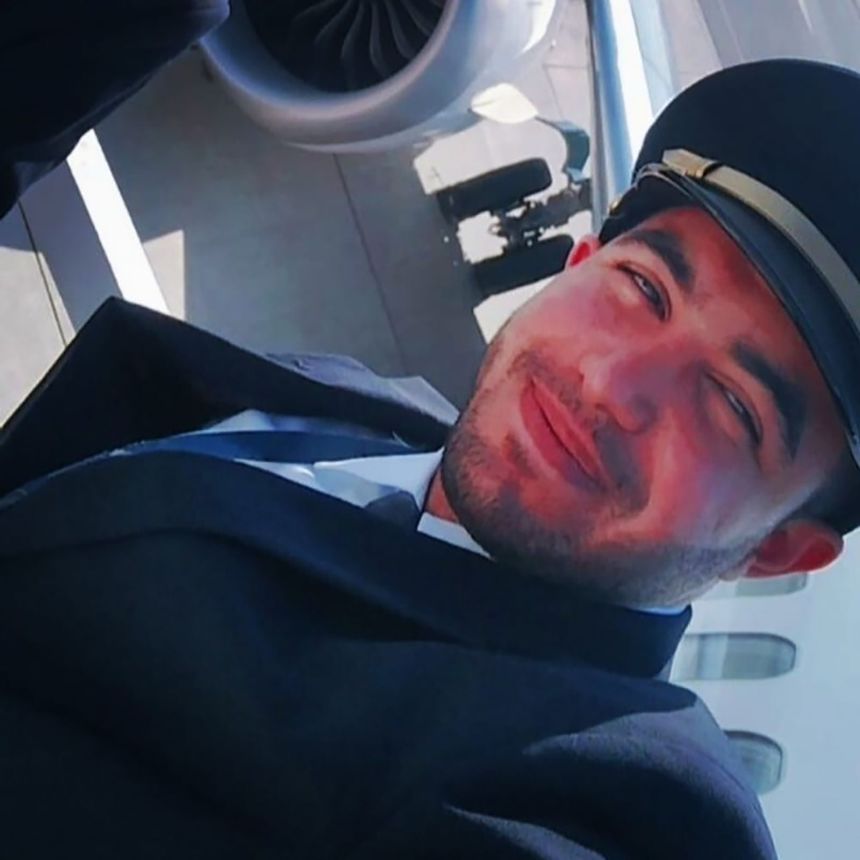
A suspected hijacking attempt on a Flydubai flight to Israel last week has exposed worrying gaps in aviation security, according to experts. The incident involved co-pilot Hamam al-Hammami, who was allegedly dismissed from Oman’s national airline due to extremist views. Despite this, CNN reports that al-Hammami was still able to fly for Flydubai.
Aviation safety experts have raised concerns about the effectiveness of security measures in place, particularly those targeting threats from within the cockpit. While post-9/11 security measures were primarily aimed at preventing external threats like bomb-laden passengers, they did not account for the possibility of a pilot causing a hijacking.
There is no universally accepted standard for background checks in the aviation industry, as each country handles pilots' licenses and security passes on a national level with varying regulations.
Oman Air, Flydubai, and Dubai Airports Company have been contacted for comment, but so far, none have provided a statement. However, Flydubai stated that it could not comment while the incident remained under investigation. According to aviation expert Alastair Rosenschein, the process of obtaining an "airside" pass, which allows crew members to access non-passenger areas of airports and aircraft, typically involves police checks and background checks.
However, these processes depend on each country's regulations, leading to inconsistencies in the vetting procedures.
The Israeli Ministry of Transport has stated that it relies on foreign air carriers' commitment to international regulations and signed declarations that pilots and crews have been vetted. However, Gideon Ewers, an aviation expert and British pilot, pointed out that a pilot's license alone does not provide a comprehensive background check, as it merely confirms technical knowledge of flying a plane. Ewers questioned why Oman did not suspend al-Hammami's pilot's license, considering the concerns about his extremist views.
Hiring practices and ongoing checks also vary among airlines, with most involving psychological evaluations, flight simulation tests, and references from previous employers or trainers. Regular medical exams are a common requirement. However, the process of vetting pilots, including their previous employment issues or infractions, remains unclear.
Some experts argue that airlines should rely on internal reporting from colleagues to identify unfit pilots, particularly those exhibiting concerning behaviors such as heavy drinking during night stops. The attempted hijacking, along with other incidents like pilot suicide-murders, highlights the need for improved industry-wide staff checks, including more robust information sharing between airlines and countries, random substance checks, and regular psychological evaluations. However, none of these measures are currently standardized across the aviation industry.
Written by urgent.news from Egypt Independent's reporting — not their text. Machine-written — may contain errors; check the original before relying on it.