Flock’s network is a form of ‘indiscriminate mass surveillance, judge rules
A judge says warrantless police searches made using Flock’s license plate readers violate Americans’ Fourth Amendment rights.
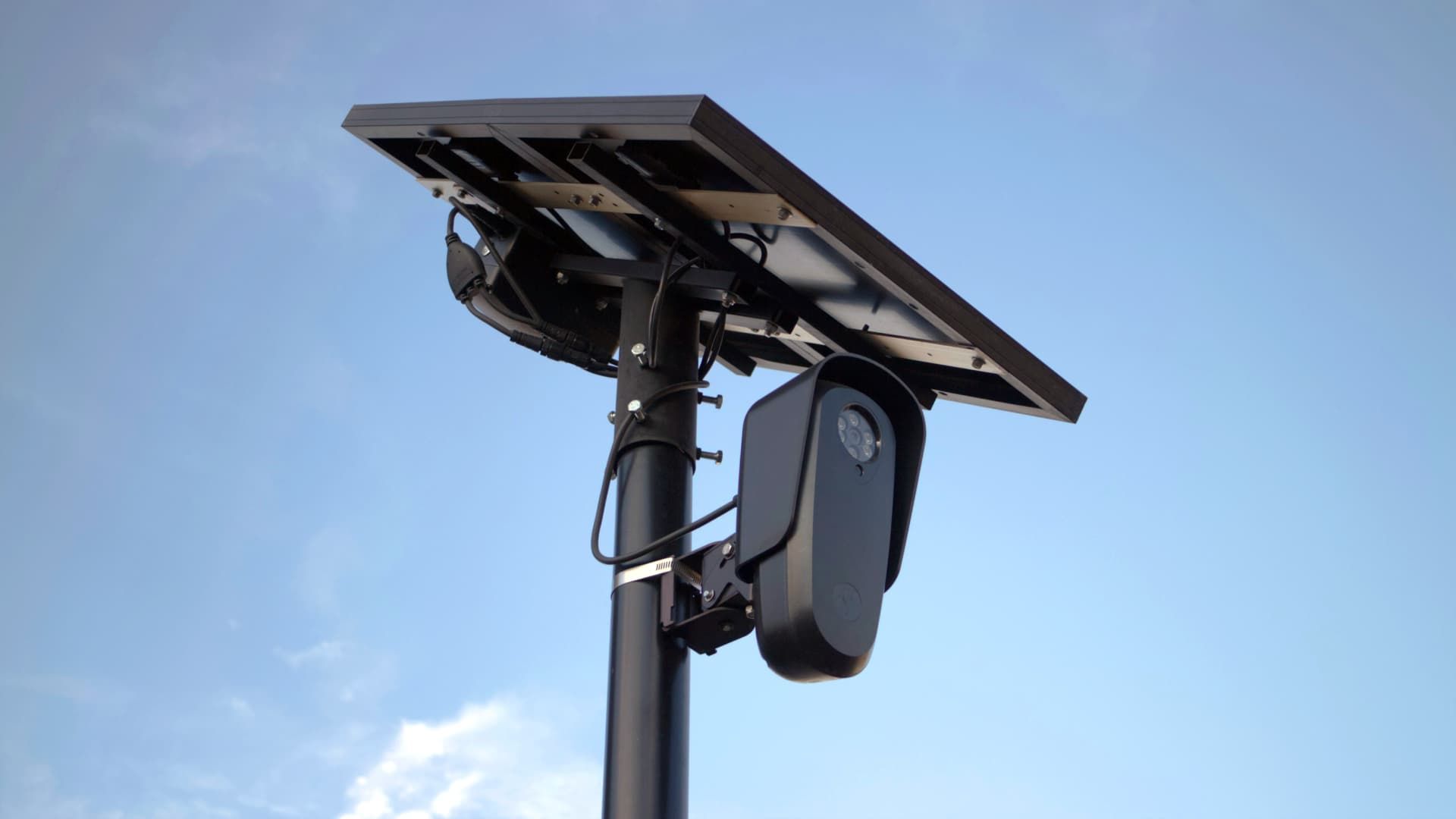
A federal judge has declared that Flock's network of automatic license plate recognition (ALPR) cameras constitutes "indiscriminate mass surveillance" and is unconstitutional. The judge, Sara Hill, made this ruling in an Oklahoma case where a police officer violated the Fourth Amendment rights of a woman suspected of methamphetamine trafficking.
The officer searched her license plate in Flock's database because it was from California and used her travel history as justification for searching her car, without any probable cause. This decision reflects growing public opposition to the technology and acknowledges the broad scope of information collected by Flock's systems, which reportedly involve over 100,000 warrantless license plate searches every month.
The court's ruling is not binding but comes after a similar decision that found traffic stops made by US Border Patrol using ALPR camera data to be unconstitutional. While the ruling doesn't definitively address the constitutionality of Flock's cameras, it highlights the increasing scrutiny on law enforcement's reliance on the technology and the public's concern over its potential impact on privacy rights.
Written by urgent.news from TechRadar's reporting — not their text. Machine-written — may contain errors; check the original before relying on it.