Ex Ilva, la Corte d’Appello di Milano conferma il blocco degli altiforni
La Corte d’Appello di Milano ha rigettato anche la seconda istanza di sospensione del decreto sullo stop dell’area a caldo dell’ex Ilva di Taranto. Confermato quindi il blocco degli altiforni...
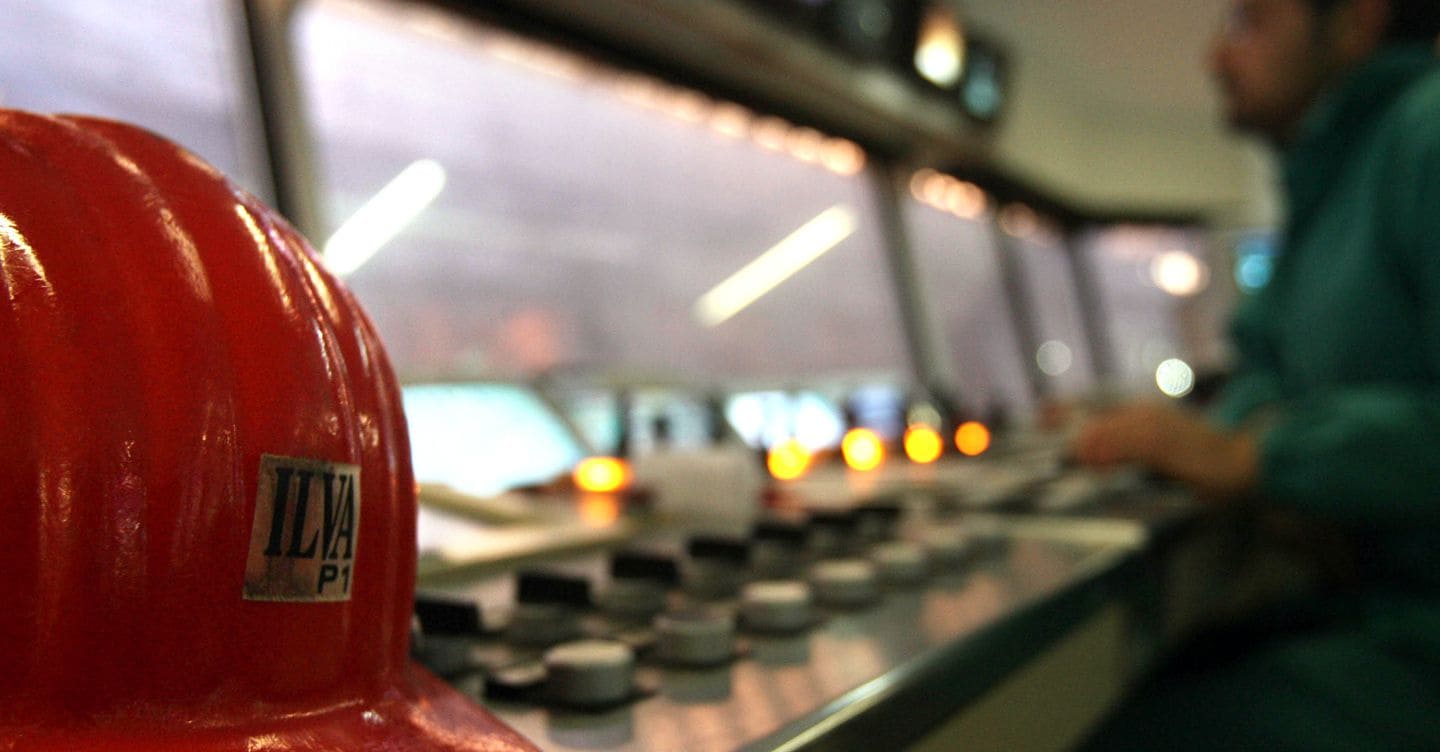
The Court of Appeal of Milan has upheld the block on the hot area at the former Ilva plant in Taranto, rejecting the second appeal for suspension. The freeze on the altiforni is now set to be enforced by October 28th. The new appeal was proposed by Ilva spa and Acciaierie d’Italia, which were in extraordinary administration and requested the suspension of the July decree issued by the Milan Court of Appeal.
The "danger" posed by the potential shutdown of the altiforni must be weighed against the paramount right to health and the need to balance conflicting interests. The Court emphasized that the protection of the right to health remains supreme, respecting both the Community interpretation and constitutional provisions. The case was discussed on September 30th before the judges, with Angelo Renna, the substitute public prosecutor, also requesting the rejection of the new appeal after the previous one was dismissed on September 11th.
The lawyers for the former Ilva and AdI reiterated their arguments about the irreparable harm caused by the shutdown and requested a delay until after the Cassation Court judgment, set for October 20th. However, the court stated that the scheduling of the hearing by the Supreme Court does not change anything compared to previous decisions that prioritized the right to health due to the harmful emissions of the plant and the presence of asbestos.
The court's decision is merely "consequential" to the filing of the extraordinary appeals to the Supreme Court of Cassation. The lawyer for the citizens of Taranto, Ascanio Amenduni, emphasized that the health prevails over an economic prejudice that is increasingly questionable and speculative.
Written by urgent.news from Il Sole 24 Ore's reporting — not their text. Machine-written — may contain errors; check the original before relying on it.