Estonia shifts troops toward Russian border, buys missiles that can hit St. Petersburg — FT
Estonia is repositioning combat troops closer to the Russian border and acquiring deep-strike weaponry capable of reaching deep into Russian territory, the Financial Times wrote on Oct. 5.
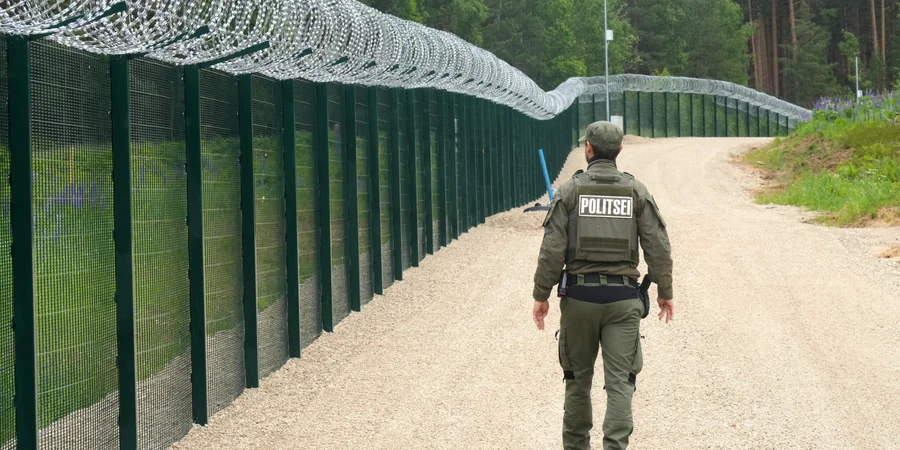
On October 5th, Estonia announced it was relocating troops closer to the Russian border and purchasing long-range missiles capable of reaching deep into Russia, according to the Financial Times. Estonian military leaders do not think Russia intends to start a full-scale war with NATO, but they fear the Kremlin is preparing for a confrontation with the Baltic country.
One possible scenario involves a limited ground incursion designed to test NATO's collective defense clause. Estonia has no air force, so it is shifting its defense strategy toward a doctrine of active defense. The 1st Estonian Infantry Brigade has moved from the main military base in Tapa to Jõhvi, located just 50 kilometers away from the Russian border.
Construction is underway for extensive barracks, maintenance facilities, and military housing in Jõhvi. In May, the Estonian government adopted the concept of active defense into its National Security Concept. The country has been quietly and rapidly restructuring its small but highly trained military forces. To bolster its defense, Estonia is building a new forward base in Narva, which can house up to 1,000 troops.
Estonia is also modernizing its defense procurement portfolio, signing contracts for nine M142 Himars systems and nine K239 Chunmoo rocket systems. These long-range strike capabilities will put Saint Petersburg, located 260 kilometers from the border, within range of attack. Estonia maintains a reserve of up to 230,000 personnel, though its standing army has about 4,200 soldiers.
In the event of conflict, national defense mobilization plans call for rapidly reinforcing the standing army with tens of thousands of reservists. Estonian military intelligence officials are worried about potential Russian attacks on exposed border areas, particularly the Russian-speaking city of Narva. While capturing Narva wouldn't directly help Russia conquer Estonia, officials warn Moscow could use it as a provocative move to test NATO's unity.
Ukraine is seen as a wildcard, as Western defense planners fear a ceasefire there could allow Russia to quickly rebuild and launch a new attack against the Baltics.
Written by urgent.news from New Voice of Ukraine's reporting — not their text. Machine-written — may contain errors; check the original before relying on it.