Ensuring the human right to adequate housing in Indonesia
From the sun-starved alleys of Tambora to the sinking shores of Java, Indonesia’s urban future hinges on a vital shift: treating housing not just as four walls, but as a resilient, community-led ecosystem where dignity comes first.

In the heart of Indonesia, a vital shift is underway to ensure the human right to adequate housing for its rapidly growing urban population. In the densely populated district of Tambora, West Jakarta, narrow alleys and tightly packed buildings often deprive residents of sunlight and affordable housing options. With over 47,000 people per square kilometer, Tambora is a city where secure housing and basic services remain a challenge for many.
Despite a significant reduction in the city's slum areas from 445 to 211 since 2017, the remaining settlements still house hundreds of thousands of residents facing insecure housing, inadequate infrastructure, and limited access to essential services. This situation is not unique to Tambora but reflects a broader issue across Indonesia. Jakarta, the world's largest urban agglomeration with nearly 42 million inhabitants, is set to witness an urban population growth from 56 percent today to nearly 70 percent by 2045.
Informal urban villages, known as kampungs, are the predominant housing solution for those who cannot afford formal market housing. Many of these kampungs are built on land without secure tenure and face increasing climate risks, leaving residents without stable housing or a solid foundation. Globally, 1.1 billion people reside in informal settlements, with the next wave of urban growth expected to concentrate in secondary cities rather than mega-metropolises.
As of March 2026, an estimated 9.29 million households in Indonesia (12.39 percent) do not own a home, while 18.01 million households (approximately 24 percent) live in housing that does not meet minimum livability standards. Jakarta alone accounts for around 824,000 households lacking secure homeownership or adequate shelter. The crisis is driven by three main pressures: affordability, tenure insecurity, and climate risk.
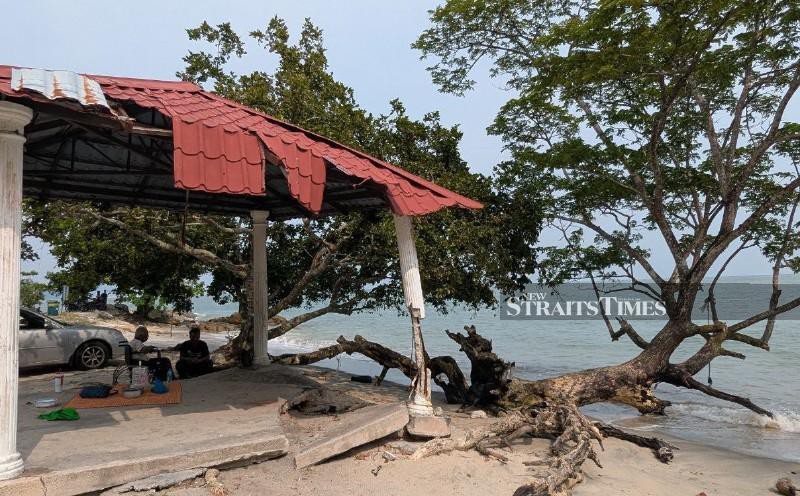
Land and construction costs have consistently outpaced income growth, even for low-income households. Tenure insecurity is particularly acute in riverbank and coastal kampungs. Climate risk, exemplified by land subsidence in northern Java's coastline, further exacerbates the issue, with rates of sinking reaching up to 14-19 centimeters per year in areas like Semarang and Demak.
Written by urgent.news from The Jakarta Post's reporting — not their text. Machine-written — may contain errors; check the original before relying on it.