Elevated Fertiliser Prices, Hormuz Disruption Pose Challenge To Global Food Security: Finance Minister
Finance Minister Nirmala Sitharaman on Monday warned that elevated fertiliser prices and disruption in the Strait of Hormuz pose a challenge to global food security, as countries face rising import costs and shipping companies grapple with expensive insurance. Speaking at the Munich Leaders Meeting in New Delhi, Sitharaman said fertiliser prices had reached levels that countries could find…
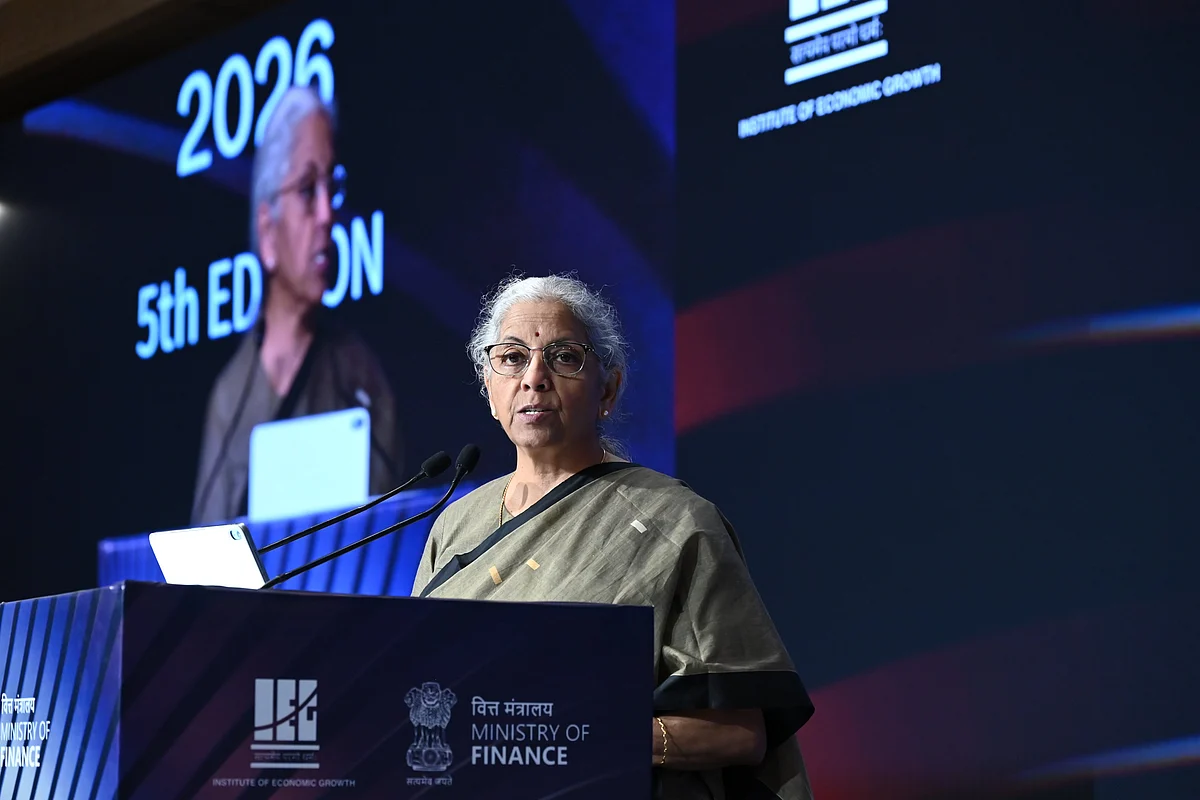
Finance Minister Nirmala Sitharaman voiced concerns on Monday that elevated fertiliser prices and the disruption in the Strait of Hormuz could pose serious challenges to global food security. Speaking at the Munich Leaders Meeting in New Delhi, Sitharaman highlighted that the cost of fertiliser imports has reached a level that countries might struggle to sustain.
India relies on importing around 80% of its fertiliser needs, yet the government offers subsidies to protect farmers from international price volatility. Currently, farmers pay roughly ₹300 for a unit that costs about ₹3,000 to import, with the government covering nearly ₹2,700 in subsidies. Subsidy levels have been maintained high since the Covid-19 pandemic, Sitharaman added.
In an effort to boost domestic production, India is working on increasing its capacity for producing urea and phosphate fertilisers, although Sitharaman noted that expanding production would take time. The disruption in shipping through the Strait of Hormuz has further exacerbated the problem, making it difficult to secure vessels and containers and causing insurance risk premiums to surge.
The government has established a dedicated shipping emergency fund to aid fertiliser shipments, especially those grappling with high insurance costs. Sitharaman emphasized the importance of free movement of fertilisers for global food security, as fertiliser trade has helped countries reduce their dependence on food imports over the past few decades.
Concerns have also been raised about the Carbon Border Adjustment Mechanism (CBAM) introduced by the European Union. Sitharaman clarified that India's policies align with its nationally determined contributions to climate change, and the country has achieved some targets ahead of schedule. She highlighted India's rapid adoption of solar energy.
Regarding the CBAM, Sitharaman reiterated her opposition, arguing that it unfairly penalises countries that have historically contributed less to greenhouse gas emissions. She did, however, welcome the formula agreed upon under the India-EU trade deal and reaffirmed her commitment to promoting green energy and supporting small manufacturers in adopting environmentally sustainable practices.
Written by urgent.news from Free Press Journal's reporting — not their text. Machine-written — may contain errors; check the original before relying on it.