El Nino, rain deficit likely to add to Mumbai’s pollution and poor air
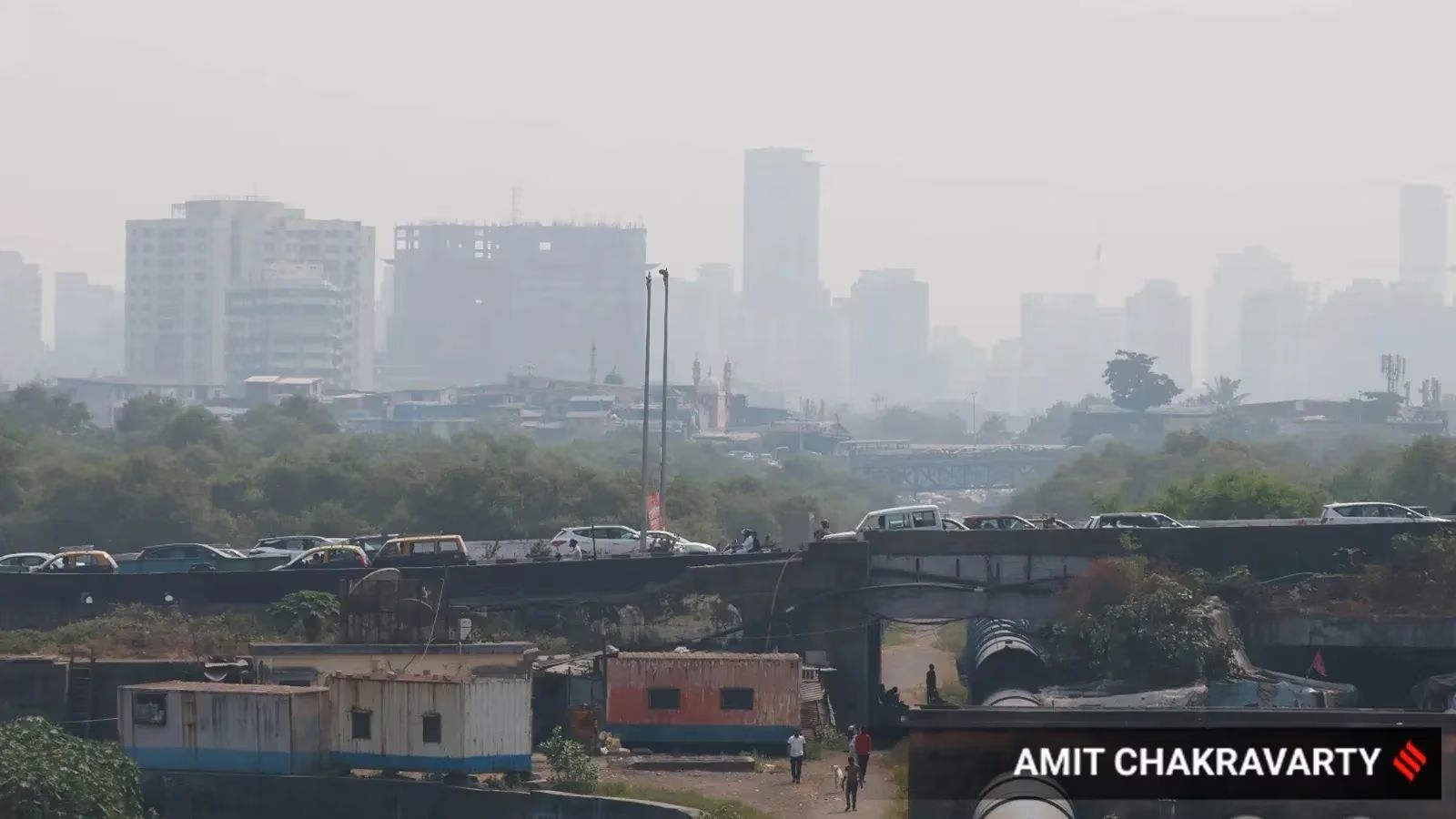
As Mumbai's air quality deteriorates in the early days of October, certain areas experience a thick haze and plummeting Air Quality Index (AQI) levels. This trend coincides with the early withdrawal of the southwest monsoon from Maharashtra, a phenomenon that is marked by a strong El Niño effect. The El Niño phenomenon, a naturally occurring climate pattern, is characterized by changes in sea-surface temperatures and atmospheric conditions in the eastern Pacific Ocean.
It is known to increase the likelihood of drier monsoons, drought, and extreme heat, as well as worsening air pollution conditions due to the influx of dust-laden winds, extreme heat, and below-normal post-monsoon rainfall.
Mumbai's air quality began to deteriorate as the monsoon withdrawal proceeded, with the AQI going above 100 on October 2 after having been in the "good" category until September 29. Experts attribute this worsening to the clockwise wind patterns that bring dry and dusty winds from far-off regions, such as the Middle East, Pakistan, and Rajasthan.
These dry and dusty winds, in turn, exacerbate the pollution levels due to the trapping of pollutants by sinking air, creating a situation where pollutants are unable to be washed away by rain.
Written by urgent.news from The Indian Express's reporting — not their text. Machine-written — may contain errors; check the original before relying on it.