EDUCATION: Empty desks matter: tackling chronic absenteeism in schools
Regular absences from class can leave learners behind, academically as well as socially.
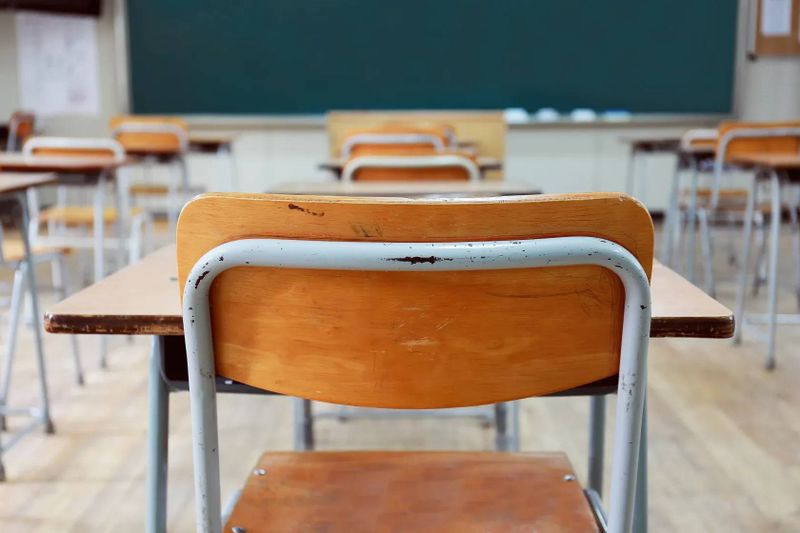
Chronic absenteeism in schools is a growing issue, with far-reaching consequences for students' academic and life outcomes. In crowded classrooms of 45 students, it's difficult to keep track of who is present and who is absent, making it challenging for teachers to address the problem effectively. While some absences may have legitimate reasons, frequent absenteeism, known as "chronic absenteeism," negatively impacts students' performance and broader life prospects.
Research reveals several critical effects of chronic absenteeism. In England, almost 300,000 children and young people missed school entirely last year, marking a 50% increase compared to pre-pandemic figures. A record 140,000 missed half or more of school, and 1.4 million missed at least 10% of school. Moreover, almost one in three of these children and young people live in poverty, unable to access free school meals.
Chronic absenteeism significantly affects academic performance, with students scoring lower in core subjects such as mathematics and reading. This decline is not just about missed content but also about reduced engagement and connection with school life. Absent students become less involved with lessons, teachers, and peers, leading to a compounding effect over time.
The ripple effect extends beyond individual students, as schools with high absenteeism rates often see diminished achievement among regularly attending students.
The long-term consequences of chronic absenteeism are also alarming. A Brookings Institution report highlights that chronic absenteeism is one of the strongest predictors of dropping out of school and a significant predictor of students not completing high school or going on to graduate from tertiary institutions. This lack of education closes doors to opportunities, particularly for families who invest in low-fee independent schools to provide their children with a stronger academic foundation.
The consequences of chronic absenteeism extend beyond the school gates. Studies link it to lower income in adulthood, poorer health outcomes, and reduced life expectancy. School attendance is not merely an administrative concern; it is a matter of lifelong wellbeing. The social-emotional development of students is also disrupted by frequent absence, undermining their social skills and emotional resilience needed to thrive.
While various reasons for absenteeism exist, such as curriculum relevance and boredom, addressing chronic absenteeism requires a multi-faceted approach. Schools, courts, and community groups have attempted different strategies, but few have been rigorously tested to assess their effectiveness. Programs that closely track at-risk students have shown mixed results, often involving regular check-ins with mentors to monitor attendance, grades, and behaviour. However, larger studies have found limited success with these approaches.
Punitive measures, such as fines or even jail time for truancy, have been proposed but have faced criticism for their harshness. Instead, focusing on early intervention and support for struggling students appears to be a more promising path. Ultimately, getting children to school is about more than compliance; it is about protecting their future, which families have sacrificed to provide.
The Department of Basic Education must recognize the significance of school attendance and work with parents to ensure their children's success.
Written by urgent.news from Daily Maverick's reporting — not their text. Machine-written — may contain errors; check the original before relying on it.