ED searches 16 places linked to smuggling of foreign-origin betel nut via the Indo-Myanmar border
Dried areca nut consignments were brought overland to the Indo-Myanmar border opposite Champhai in Mizoram, and ferried across the Tiau river at Zokhawthar in small lots, bypassing the Land Customs Station, in a well-organised racket, the ED alleges
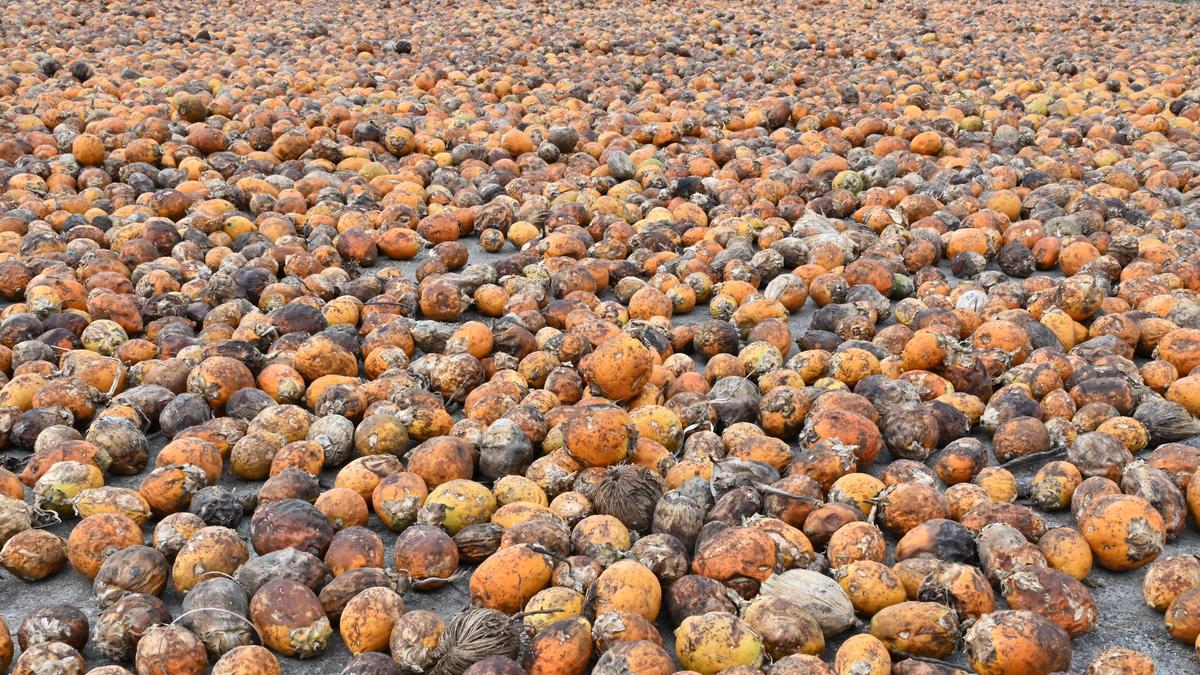
The Enforcement Directorate (ED) carried out searches at 16 locations connected to the smuggling of foreign-origin areca nut (betel nut) into India through the Indo-Myanmar border. The locations were found in Guwahati of Assam and in Siliguri, Bagdogra, Phansidewa and Cooch Behar of West Bengal, according to the ED. The operations targeted entities such as DNG Biotech Private Limited, Jai Karni Tradings Private Limited, Purvottar Agro Private Limited, and N.R.
Associates, among others. The investigation led to the seizure of approximately ₹95 lakh in unaccounted cash and the freezing of fixed deposits worth around ₹85 lakh. These actions were taken in response to 11 First Information Reports lodged by the police in Assam and West Bengal. The ED's probe alleged that the smuggling, transportation, and sale of betel nut originating from Indonesia, Thailand, and Burma were taking place.
The consignments were reportedly introduced into Mizoram through Myanmar and then moved to West Bengal, Bihar, Uttar Pradesh, Maharashtra, and other Indian states using falsified GST invoices, e-way bills, and transport documents. The ED described the operation as a "well-organized" ring, alleging that the dried betel nut consignments were transported overland to the Indo-Myanmar border near Champhai in Mizoram and carried across the Tiau river at Zokhawthar in small quantities, avoiding the Land Customs Station.
Agents on the Myanmar side allegedly sold these consignments to front firms on the Indian side, which were registered in the names of local residents of Champhai. The ED alleged that these firms were controlled from Silchar in Assam, where the GST registrations and bank accounts were created, funded, and operated. The control over these entities was said to be in the hands of Sushil Daga, with his premises searched on July 3.
The betel nut was reportedly procured in Champhai after being brought via Zokhawthar and then transported out of Mizoram through Vairengte to Silchar, where it was documented as Indian-origin produce. The consignments were subsequently moved from Silchar via the Siliguri corridor to godowns in and around Guwahati, where they were stored, repackaged, and re-documented.
The betel nut was then allegedly sold to gutka and pan masala manufacturers in North Bengal and other states at a significantly reduced duty-paid price. The Siliguri network reportedly collected protection money from transporters in exchange for tokens and code words, facilitating the smooth passage of goods. The agency alleged that the money moved back along the same chain through a series of bank accounts held in the names of relatives, employees, and shell entities, followed by substantial cash withdrawals facilitated through 'hawala' channels.
The proceeds of crime were invested in real estate, vehicles, and other assets. The ED also identified bank credits exceeding ₹1,000 crore in accounts linked to this syndicate.
Written by urgent.news from The Hindu's reporting — not their text. Machine-written — may contain errors; check the original before relying on it.