ECI Row: What happens when all three Election Commissioners disagree? Here's what the law says
What happens when all three Election Commissioners disagree? As the ECI faces scrutiny over internal differences, here’s what the law says if the poll panel is stuck in a 1-1-1 split.
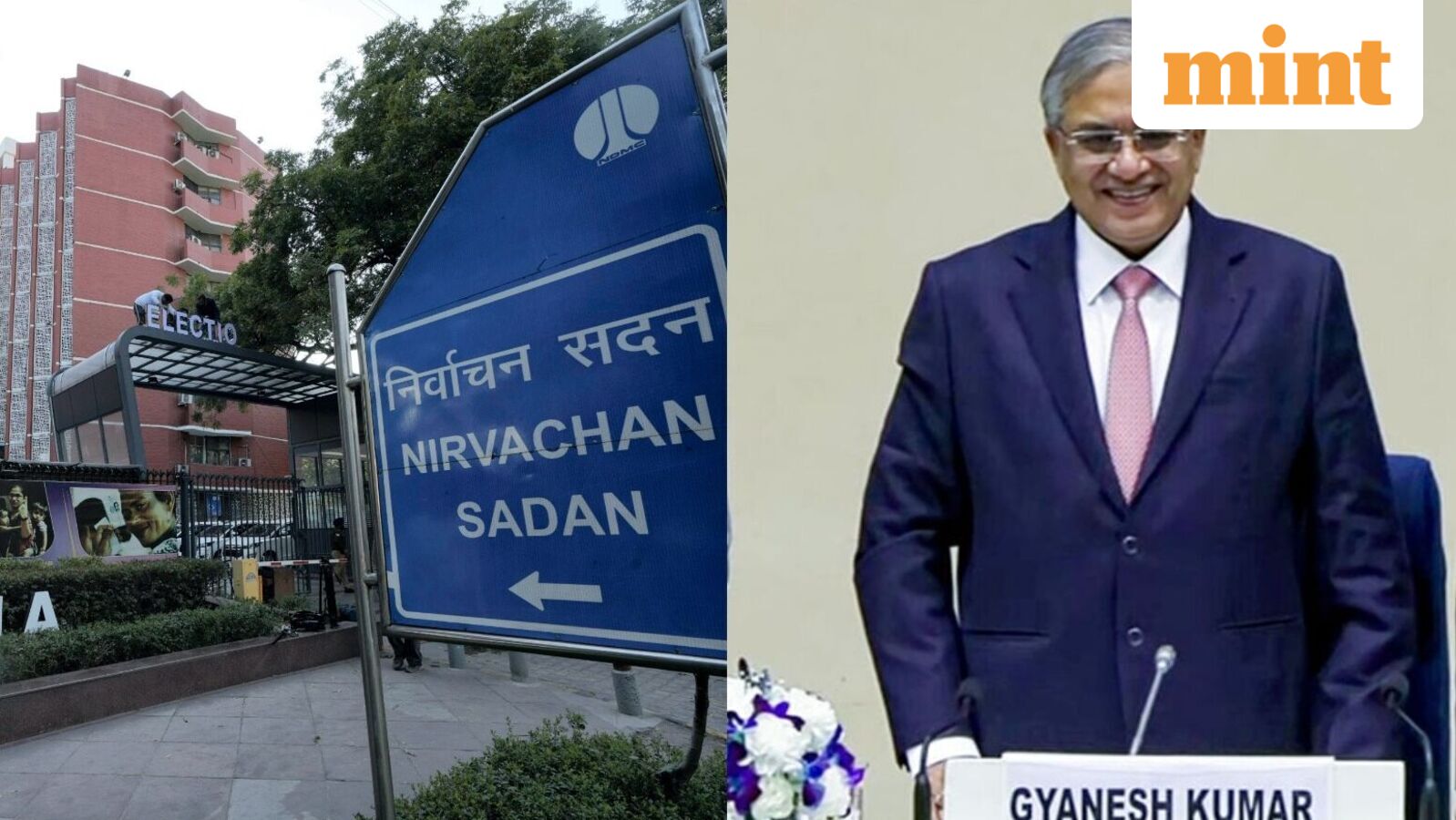
The Election Commission of India (ECI) has been under scrutiny recently due to protests demanding Chief Election Commissioner (CEC) Gyanesh Kumar's resignation and disagreements within the three-member poll panel over electoral roll decisions. A recurring question arises when all three Election Commissioners disagree and a majority decision cannot be reached.
According to the law, decisions must either be unanimous or by majority. The ECI operates as a collegiate body, with all Commissioners sharing equal decision-making authority. The Chief Election Commissioner does not possess veto power, as the Commission functions through regular meetings and paper circulation, ensuring equal input from all members.
However, the law's Section 18 stipulates that decisions should ideally be unanimous, and differences must be resolved through a majority view. In the event of all three Commissioners disagreeing and a majority decision being unattainable, the law dictates that no decision will be made. Former Lok Sabha Secretary-General PDT Achary clarifies that there is no provision for a casting vote or additional authority for the CEC to break a deadlock.
The Supreme Court's 1995 judgment in T.N. Seshan v. Union of India established that the CEC, while holding primus inter pares status, lacks overriding or veto powers in such situations.
Written by urgent.news from Live Mint's reporting — not their text. Machine-written — may contain errors; check the original before relying on it.