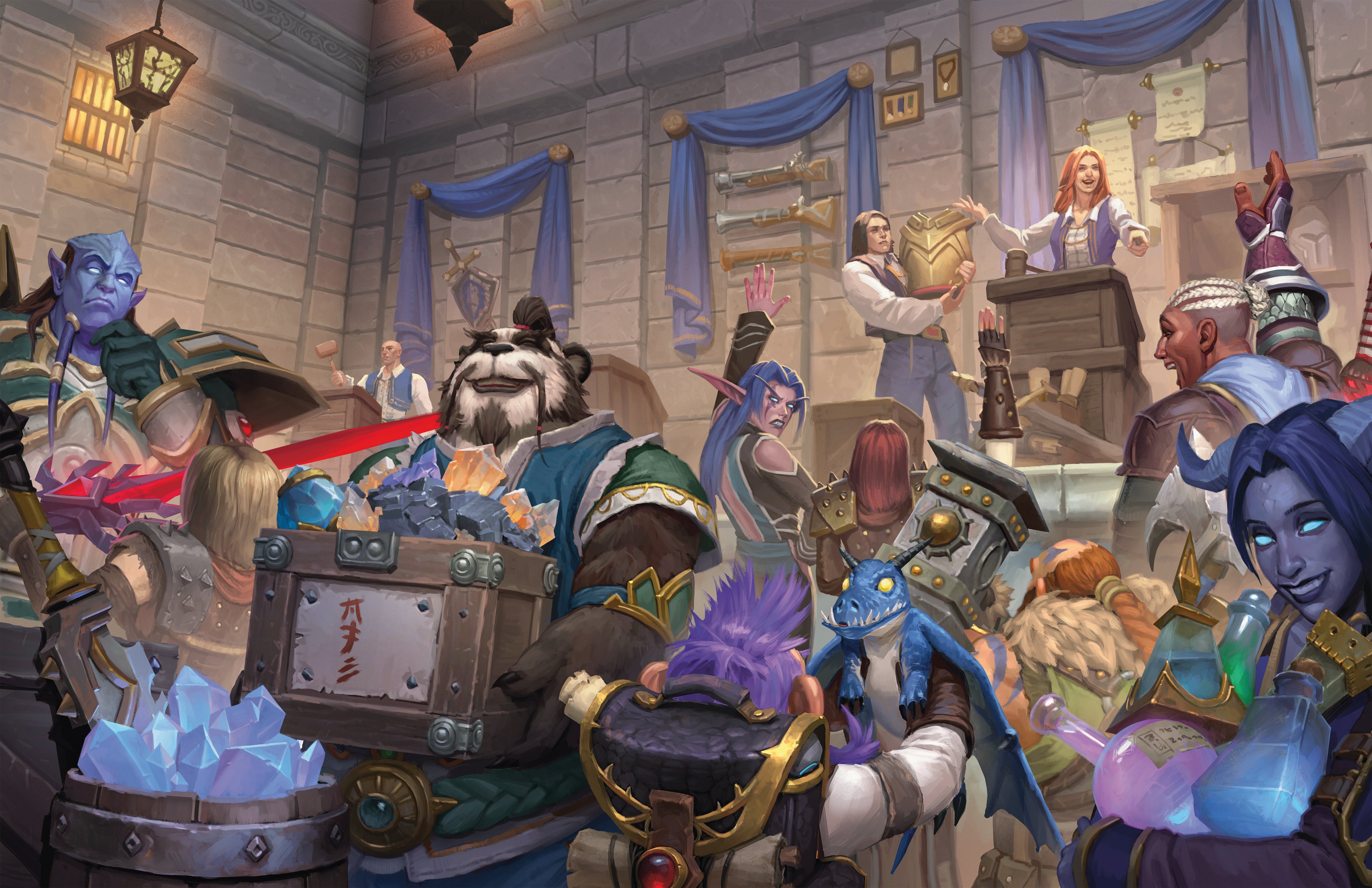
Dungeons & Dragons Rewrites the Game’s Rules for the New World of Warcraft Book
The book is experimenting with complex boss fights and transformative subclasses
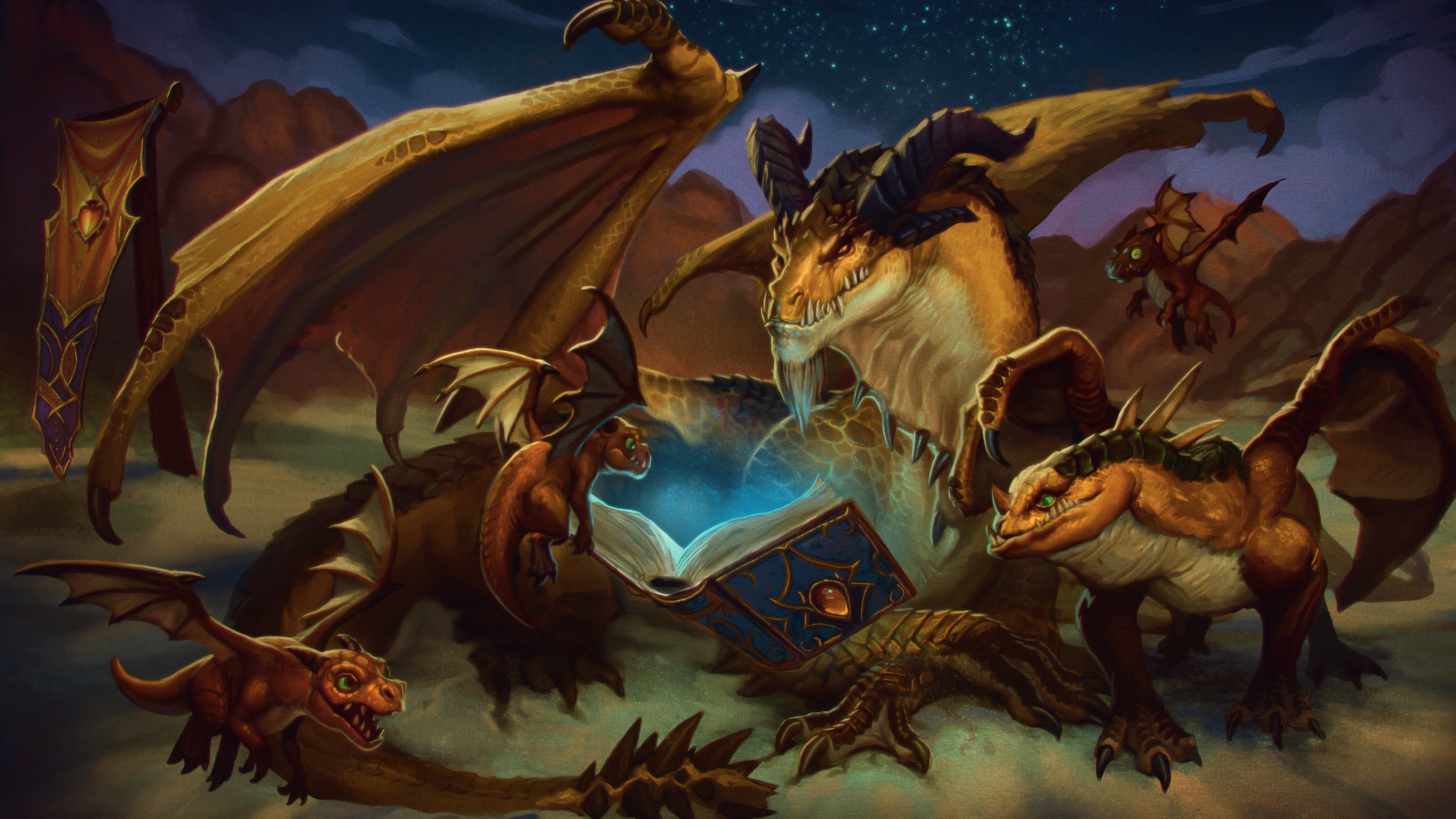
Dungeons and Dragons: World of Warcraft, released in July, is the first "Universes Beyond" release for the tabletop RPG. Despite being the first such release for Dungeons and Dragons, it is not entirely new for Wizards of the Coast, as they have previously driven a large number of Magic: The Gathering sets. The expansion is massive, featuring an extensive amount of lore, dungeons, and professions that could take years to explore.
Unlike the traditional World of Warcraft game, players have the freedom to shape their Azeroth story in various ways.
Azeroth, the world of World of Warcraft, has a rich history spanning 22 years since its inception in 1994. In D&D: World of Warcraft, this wealth of lore is incorporated into the book, including up to The War Within. Each zone in the game has a designated level range, with starting zones for low-level characters and endgame zones tailored for high-level players.
While most zones are exclusive to Azeroth, the expansion does not include other realms like Argus, the Shadowlands, or Draenor, which players can still explore using their existing knowledge.
Key conflicts in World of Warcraft, such as the Alliance vs. Horde campaign, the Burning Crusade invasion, and the Scourge, are integrated into the expansion. The Dungeon Master's guide suggests focusing on three of these conflicts to shape the campaign and generate appropriate monsters, adventure hooks, and locations. To accommodate campaigns played out of chronological order, Wizards of the Coast introduced Chromie Time, a feature that allows the Dungeon Master to send the party to different points in time, such as the Classic era or Silvermoon City.
Dungeons and raids are significant components of World of Warcraft, and they are also featured in D&D: World of Warcraft. However, the gameplay differs significantly. In the video game, players typically clear out trash mobs and defeat bosses quickly, but this approach does not align with Dungeons and Dragons' gameplay. Instead, dungeons in D&D: WoW encourage non-linear exploration, stealth, and talking your way out of situations.
Players may need to use unique strategies, like sneaking past pirates in Deadmines or using diplomacy in Scarlet Monastery. The dungeons and raids in D&D: WoW are designed with a high level of player agency, offering numerous possibilities and allowing for creative storytelling.
Written by urgent.news from IGN's reporting — not their text. Machine-written — may contain errors; check the original before relying on it.
This story
This is one outlet's version. Read the fullest account.