DSV balances resilience and decarbonisation in supply chains
As global supply chains evolve rapidly DSV is cementing its position as a partner to support Vietnam in building more resilient and efficient supply chains
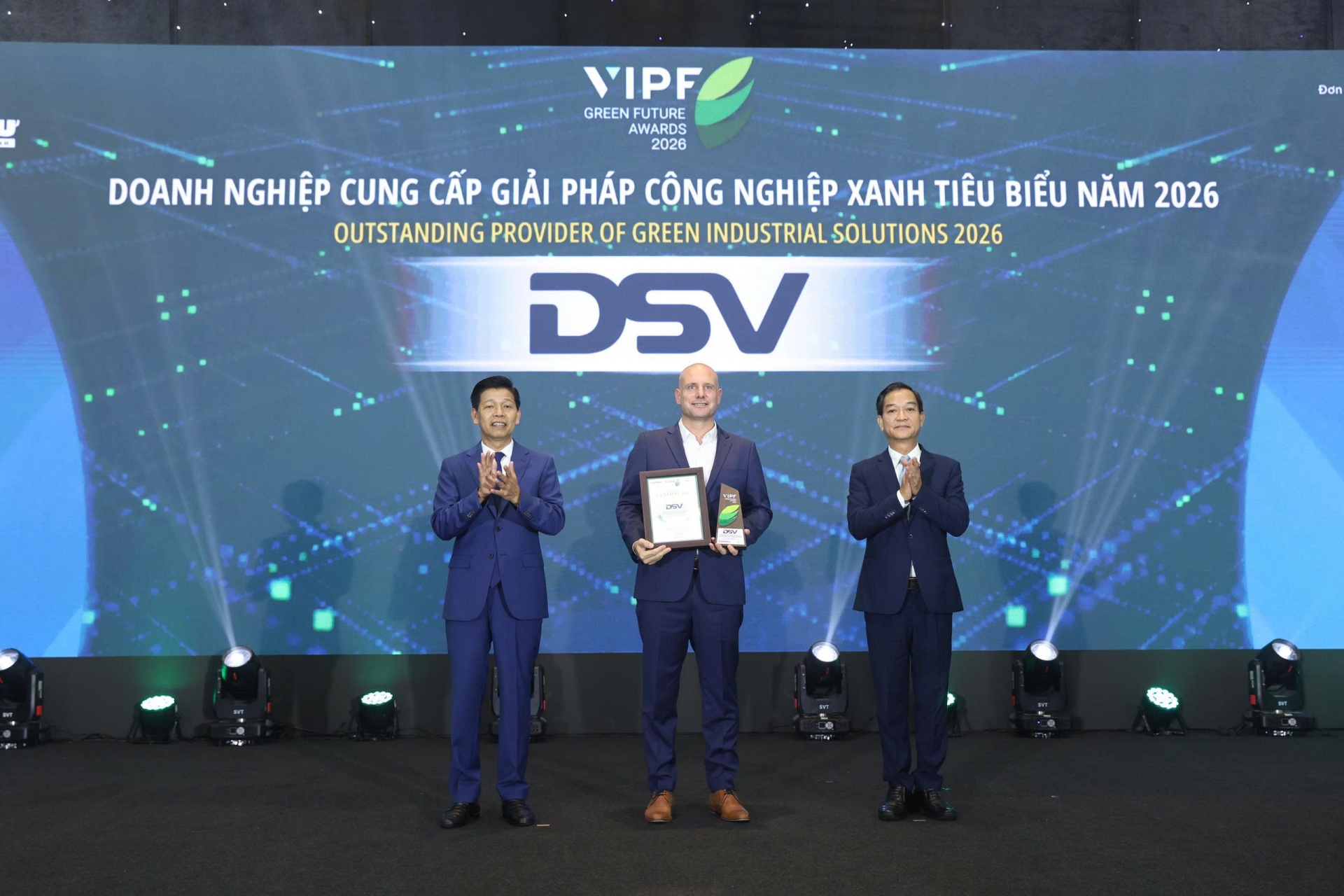
Diversified, interconnected supply chains are increasingly prioritizing resilience, as DSV representative Prescott Gaylord highlighted during VIPF 2026. While cost remains a key consideration, businesses are now evaluating factors such as infrastructure quality, logistics capabilities, energy availability, sustainability readiness, and supply chain resilience.
Customers are demanding lower-carbon transportation options, renewable energy pathways, reliable emissions data, and circular supply chain capabilities. Supply chains must navigate geopolitical uncertainties, shifting trade patterns, decarbonisation requirements, reporting obligations, and growing customer expectations. DSV focuses on creating strong connections and data-driven operations through digital visibility, global partnerships, and efficient logistics networks.
Modern warehouses play a crucial role by optimizing demand management, building management systems, cooling technologies, and energy use. Multinational customers are pushing for decarbonised end-to-end supply chains, seeking lower-carbon solutions like battery electric vehicles and renewable fuels. The trend towards circular economy solutions is growing, with customers interested in reverse logistics, repair and refurbishment services, sustainable packaging, and EPR requirements.
DSV assists manufacturers in Vietnam to meet these expectations through optimisation, low-carbon logistics, carbon reporting, energy-efficient warehousing, and circular economy services. Integrating sustainability from the beginning of industrial park planning can reduce costs and enhance competitiveness, according to Gaylord.
Written by urgent.news from Vietnam Investment Review's reporting — not their text. Machine-written — may contain errors; check the original before relying on it.