Domestic tourism and its impact on the local economy
Tourism is the activity of people moving from their usual places of residence to another destination, either within their own country or another country, for purposes such as leisure, recreation, business, education, culture, and more. Domestic tourism refers to travel and movement within the geographical boundaries of one’s own country, away from one’s usual place […]
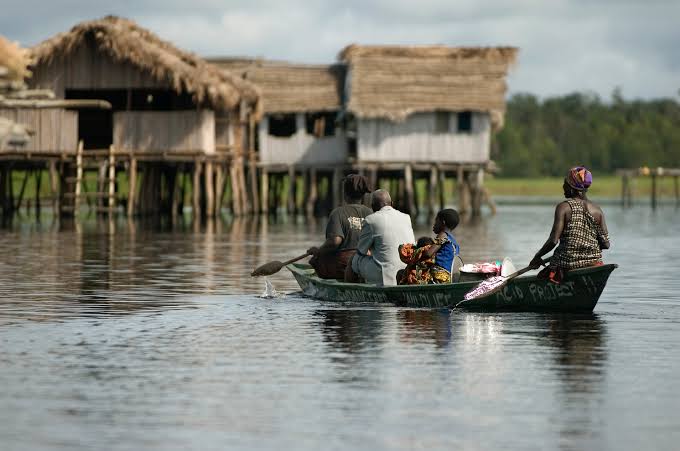
Tourism is the act of individuals traveling away from their regular homes to visit a different destination for leisure, recreation, business, education, or cultural purposes. Domestic tourism, specifically, consists of travel and movement within a single country's borders, away from one's usual location, for a short duration. This form of tourism encourages citizens to explore and appreciate their own country's natural, historical, cultural, and recreational attractions.
Whether it's a visit to Kumasi in the Ashanti Region, Cape Coast in the Central Region, or the Volta Region's beaches, these trips are considered domestic tourism.
The growth of domestic tourism is crucial for local governments, as they are responsible for managing and developing the areas where many tourist attractions are found. When people travel domestically, they spend money on various services such as accommodation, food, transportation, attractions, and locally produced goods. This spending benefits businesses and communities while simultaneously generating revenue for local governments through permits, licenses, fees, tolls, and other locally generated funds. This revenue can subsequently be used to improve local services and infrastructure.
Domestic tourism plays a significant role in fostering local economic development. By creating opportunities for local businesses, it promotes cultural understanding and employment, while also encouraging people to appreciate their country's attractions and heritage. However, this form of tourism can also pose environmental and social challenges if not properly managed. One major impact on local governments is increased economic activity, as travelers spend money on various services, thus supporting local businesses.
The growth of domestic tourism can also lead to increased employment within local communities. Tourism-related activities require workers like tour guides, drivers, hotel and restaurant employees, vendors, artisans, cleaners, security personnel, and event organizers. As tourism demand rises, local businesses may hire more people, leading to improved living standards and a reduction in unemployment within these communities.
Furthermore, higher employment can increase the number of people engaged in local economic activities and lessen dependence on government assistance.
Another advantage of domestic tourism is its potential to enhance national pride and identity. When citizens visit important historical and cultural sites, they gain a deeper understanding of their country's history and achievements. For instance, in Ghana, visiting sites like Cape Coast Castle, Elmina Castle, Kakum National Park, Mole National Park, and other natural attractions can help citizens appreciate their country's rich heritage. This appreciation can motivate citizens to protect and promote their national heritage.
Additionally, domestic tourism is closely tied to domestic marketing strategies. Effective marketing can encourage citizens to travel within their own country and spend on local products and services. This concept, known as SEWF (See Ghana, Eat Ghana, Wear Ghana, Feel Ghana, and Experience Ghana), helps keep money within the local economy.
For example, when visitors visit Kakum National Park, they may spend on transportation, accommodation, food, tour guides, and other local products, thereby supporting hotels, tour guides, transport operators, restaurants, and local vendors. SEWF promotes the use of locally made goods like kente cloth, traditional smocks, and batik fabrics, providing income and employment for artisans and traders throughout the country.
Overall, domestic tourism helps maintain a strong local economy by encouraging people to invest in Ghanaian products, services, and experiences.
Written by urgent.news from MyJoyOnline Ghana's reporting — not their text. Machine-written — may contain errors; check the original before relying on it.