Do Babies Feel Shame?
Research suggests they may be capable of self-conscious emotion much earlier than we thought The post Do Babies Feel Shame? appeared first on Nautilus .
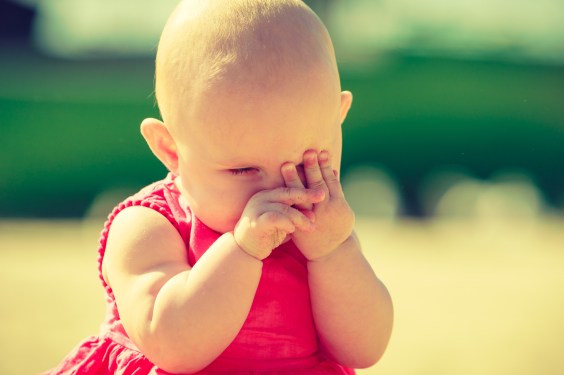
Recent research suggests that infants may be capable of experiencing self-conscious emotions like shame, guilt, and pride at an earlier age than previously believed. In a review published in the Royal Society’s Philosophical Transactions B, European developmental psychologists Milica Nikolic and Robert Hepach examined evidence from developmental science suggesting these complex emotions can be observed in babies from birth to two years old through subtle body language cues.
Nikolic explains that self-conscious emotions are those related to the self, where individuals think about themselves as objects of others' attention and become acutely self-aware. These emotions, which include shame, guilt, embarrassment, pride, and shyness, are considered more complex than basic emotions like joy or fear. While the face and voice typically express basic emotions, self-conscious emotions manifest through combinations of bodily and facial expressions, often not following a one-to-one relationship between emotion and expression.
For instance, shame can involve looking down, collapsing shoulders, or averting gaze when embarrassed. The researchers found that even newborns exhibit behaviors akin to embarrassment, such as looking away or showing subtle discomfort when receiving attention. This suggests self-conscious emotions might be present in infants much sooner than the first few years of life, challenging the notion that they emerge later in childhood.
While it remains unclear whether these young infants truly feel these emotions, as they are pre-verbal and cannot report on their experiences, the observable behaviors provide insight into their social and emotional development. The findings also prompt consideration of whether non-human animals might possess similar self-conscious emotions, though empirical research in this area is lacking.
Written by urgent.news from Nautilus's reporting — not their text. Machine-written — may contain errors; check the original before relying on it.